English
 简体中文
 Русский
 Français
 Português
 لالعربية


In recent years, electric stackers have been widely adopted in warehouse, logistics and manufacturing scenarios across South Africa, bringing lower noise, zero local emission and more stable operating performance compared with traditional internal combustion handling equipment. For most local fleet operators, clarifying the actual battery life of electric stackers and the reasonable composition of battery replacement cost is the core reference for making long-term equipment operation budget and reducing overall operating expenditure.
Multiple practical factors will affect the actual service life of electric stacker batteries in local South African operation scenarios. First, the daily charging and discharging habit of operators: avoid over discharging the battery to extremely low state of charge, and arrange supplementary charging in time during idle period can effectively reduce the extra loss of battery cells. Second, local ambient temperature condition: many areas in South Africa have high ambient temperature in summer, long time exposure of battery in high temperature environment will accelerate the aging of internal chemical materials, and proper ventilation and heat dissipation for the battery compartment can effectively extend its service life. Under standardized operation and regular inspection, qualified electric stacker batteries can reach a considerable number of charge-discharge cycles, and support more than 5 years of normal daily operation under medium load intensity.
As for the replacement cost of electric stacker batteries, its main components include the main material cost of the battery pack, professional on-site installation and commissioning service fee, compliant disposal cost of the old waste battery, and local logistics and distribution expense in South Africa. Different from the past impression of high replacement cost, with the popularization of mature new energy battery technology in recent years, the unit cost of qualified electric stacker battery has dropped to a more reasonable level, and the long-term cost per unit use time is far lower than that of traditional lead-acid batteries in many practical scenarios.
Local operators can also take multiple measures to reduce the overall battery related operation cost: arrange regular professional battery health check, avoid overloading the stacker beyond its rated load for long time, and follow the official operation specification for charging and daily maintenance. All these measures can help extend the battery service life to the maximum extent and avoid unnecessary early replacement cost.
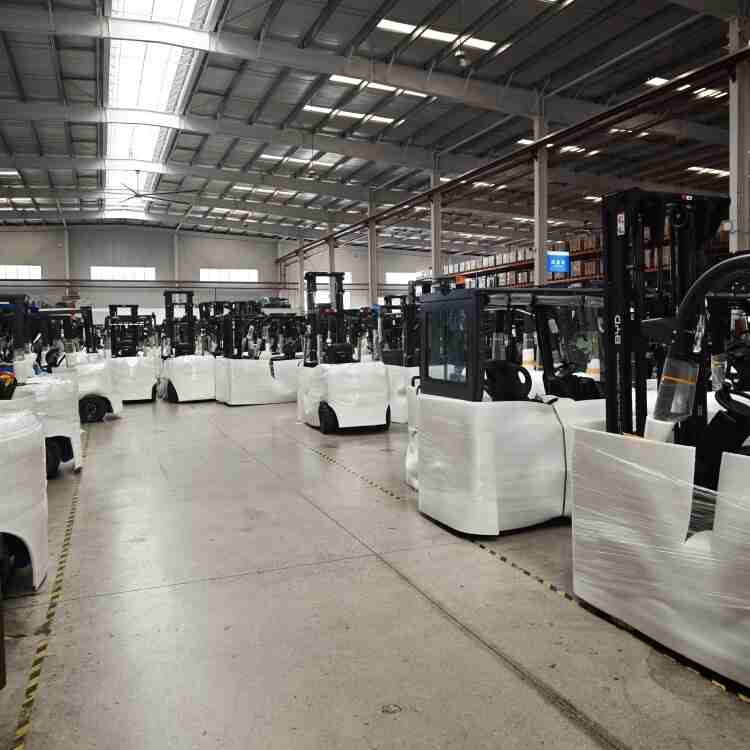
We are Jian Shu New Energy, focusing on BYD electric forklifts. If you have any demand for electric stacker battery life consultation, battery replacement service or related supporting solutions in South Africa, please send email to [email protected] for more professional localized support.