
 English
 简体中文
 Русский
 Français
 Português
 لالعربية


Forklift safety audit is a core part of warehouse operation risk control, and many logistics and manufacturing operators have lots of confusions about its execution standards and implementation value. We sort out the most frequently asked questions and give clear practical explanations below to help teams complete the audit work in a standardized way.
The first common question is what a forklift safety audit actually refers to. It is a systematic, full-link inspection activity covering all links related to forklift operation, not a temporary spot check for single equipment. A complete audit needs to connect the performance status of the equipment itself, the operation qualification of personnel, the rationality of on-site operation rules, the compliance of supporting facilities such as charging areas, to find out hidden risks that are easy to be ignored in daily operations.
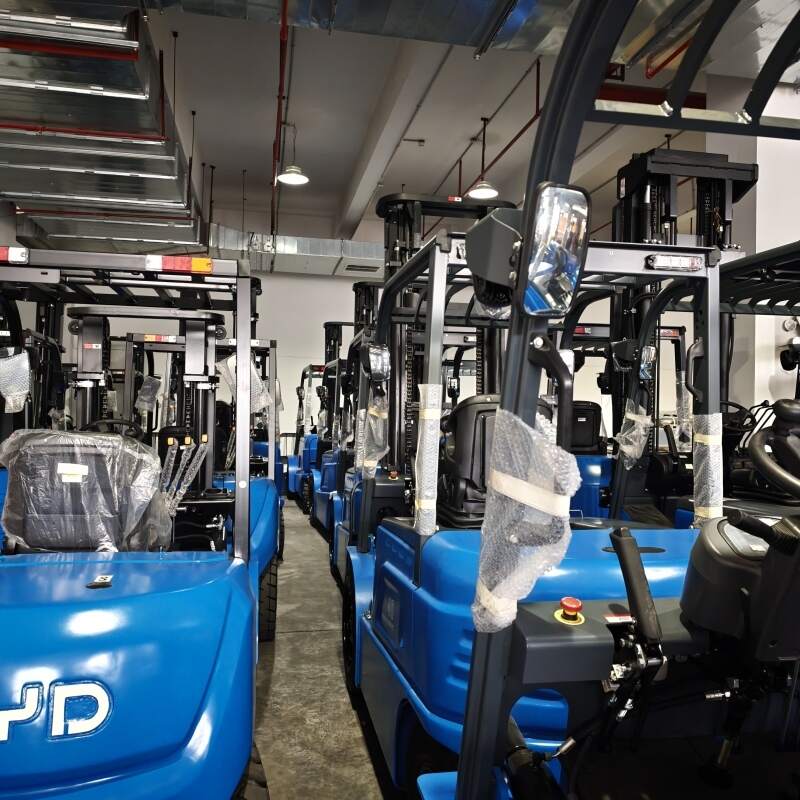
The second common question is the proper frequency of conducting forklift safety audits. For scenarios with high daily forklift operation intensity such as e-commerce distribution centers, it is recommended to complete a full safety audit every 3 months. For scenarios with low usage frequency such as small manufacturing workshops, the audit interval can be extended appropriately, but shall not exceed 6 months. Additional temporary audit is required immediately after equipment major maintenance, small operation accident or on-site operation process adjustment, to confirm all links meet safety requirements.
The third common question is the core contents that shall be included in the audit for electric forklifts. Except for checking the reliability of braking system, steering system and lighting devices, the audit team also needs to check the health status of power battery, the aging degree of charging harness, the compliance of fire prevention settings in special charging areas, verify the validity of operation certificates of all forklift drivers, and check whether the warning signs of speed limit and passage division in the operation area are set completely.
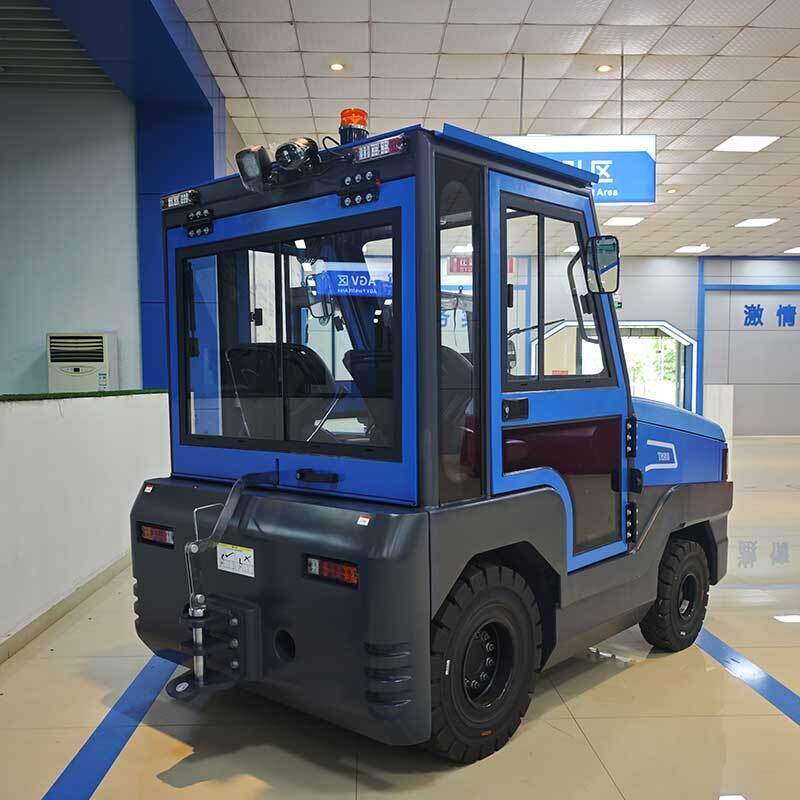
The fourth common question is the common non-compliance issues found in the audit. The most frequent problems include safety related parts that are not calibrated within the required period, operators not wearing required protective equipment during work, flammable sundries stacked near the charging area, and overload operation marks left on the fork arms.
Jianshu New Energy, focusing on BYD electric forklifts, can provide supporting safety audit guidance and compliance operation consulting services for cooperative customers. If you have relevant demands, you can send email to [email protected] for further consultation.


