
 English
 简体中文
简体中文 Русский
 Français
 Português
 لالعربية

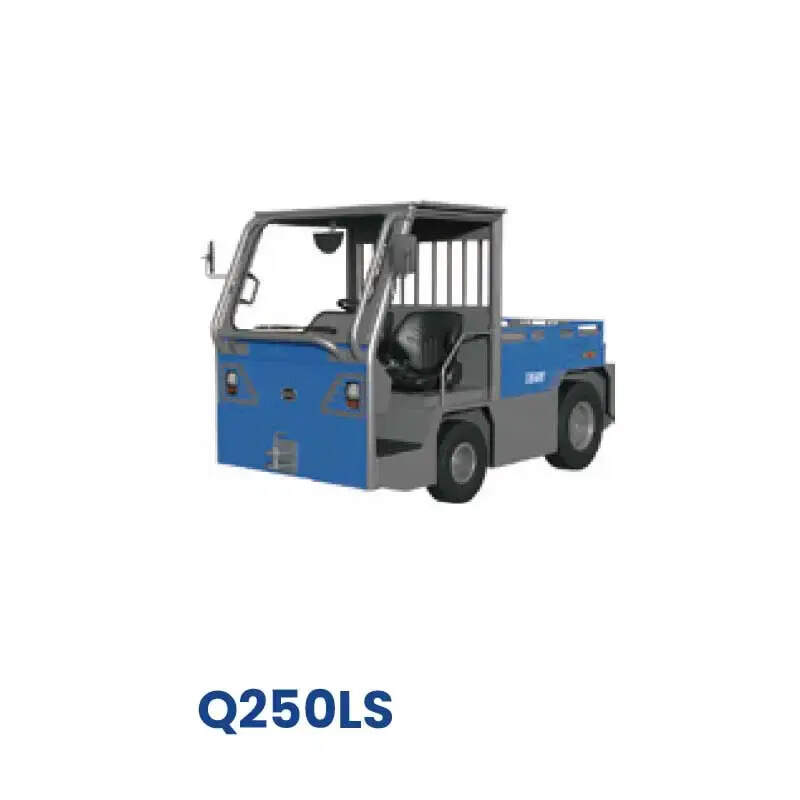
For years, practitioners in the electric forklift industry have accumulated plenty of practical experience that helps logistics and warehouse teams fully tap the value of their fleets, avoiding unnecessary operational losses and hidden safety risks in daily use. This guide sorts out core, field-verified points that fit most common application scenarios, with no exaggerated claims of overstated performance improvements.
Core Safety Protocols for Daily Operation
Before each shift of use, operators need to complete a full pre-inspection covering battery remaining status, brake response sensitivity, lifting structure stability and surrounding operating area to eliminate hidden risks in advance. During the operation process, staff need to strictly match the load weight with the rated load limit of the equipment, avoid sudden acceleration or emergency steering in narrow warehouse aisles, and maintain a safe distance from stacked goods and passing pedestrians, to reduce the probability of accidental collisions. It is also recommended to adjust the driving speed according to the ground condition, especially on wet or uneven road surfaces, to keep the operation process stable and orderly.
Standardized Routine Maintenance Arrangement
Scientific and regular maintenance work is the core premise to extend the whole service cycle of electric forklifts. For the power battery component, users need to follow the official operation specifications to avoid overcharging or complete over-discharging, clean the electrode contact area regularly to prevent dust or moisture from causing poor conductivity, and arrange targeted inspection for the battery pack in low temperature or high humidity environment. For the hydraulic lifting system, operators need to check the seal performance of oil pipelines regularly, replace the aging parts in time, and clear the accumulated dust and debris in the gap of the walking wheel structure, to avoid abnormal jamming during high-frequency operation.
Scenario Adaptation for Better Performance Output
Different application scenarios have differentiated requirements for electric forklift performance allocation. For cold storage operation scenarios with low ambient temperature, teams can adjust the battery working strategy appropriately to ensure stable power output. For high-frequency short-distance transfer scenarios, the management side can make a staggered power replenishment schedule, arrange supplementary charging during non-peak operation hours, and reduce the non-working waiting time of the whole fleet. These targeted adjustments can effectively improve the turnover efficiency of material handling without additional unnecessary cost input, forming a more balanced long-term operation state for the fleet.


