
 English
 简体中文
 Русский
 Français
 Português
 لالعربية


When you plan to upgrade your existing material handling fleet or purchase new handling equipment for your warehouse, distribution center, or manufacturing workshop, lithium forklift is one of the practical and cost-effective options in current new energy material handling market. This buyer’s guide will walk you through all core factors you need to evaluate before making the final purchasing decision, helping you pick the most suitable model that matches your actual operation demands.
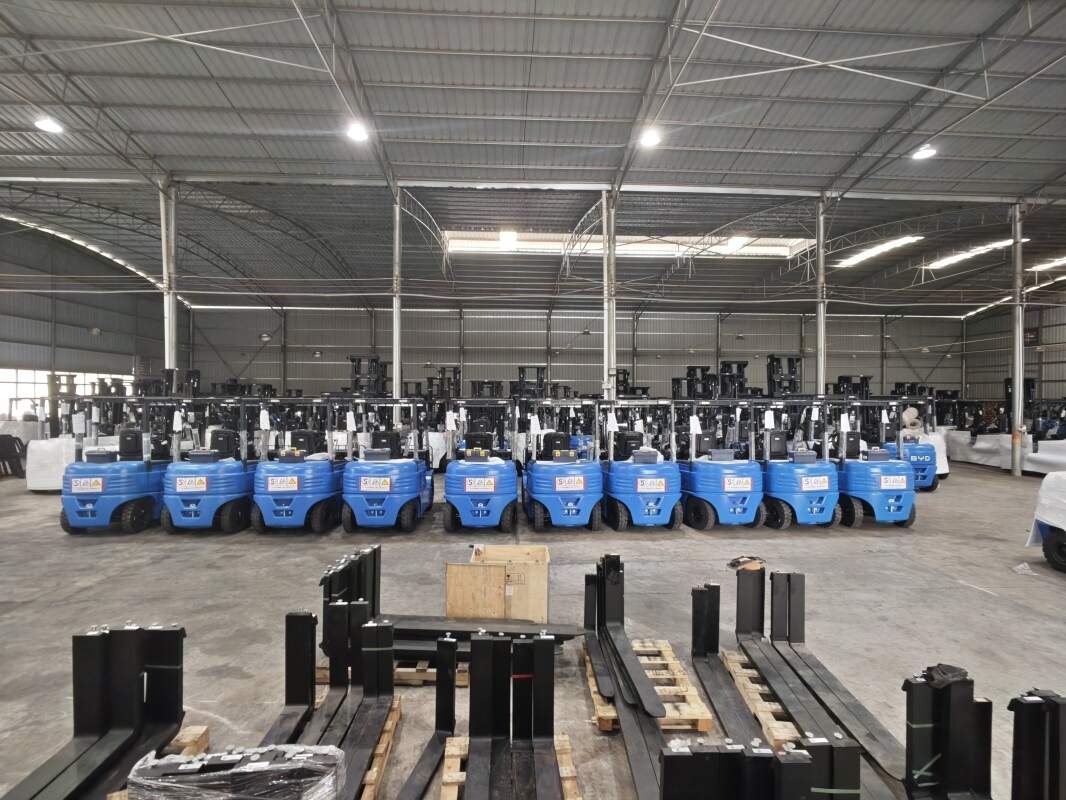
First, you need to confirm your actual operation scenario parameters first, including the maximum load weight of daily transported goods, the average lifting height requirement, the width of your operation aisle, the daily continuous working hours of the forklift, and the ground condition of your operation area. For example, small narrow aisle warehouses can select compact body lithium forklift with corresponding load capacity, while outdoor port or freight yard scenarios can choose models with higher chassis clearance and weatherproof protection design. Clarifying these demands first can help you narrow down the selection range quickly and avoid purchasing models that do not match the actual usage scenario.
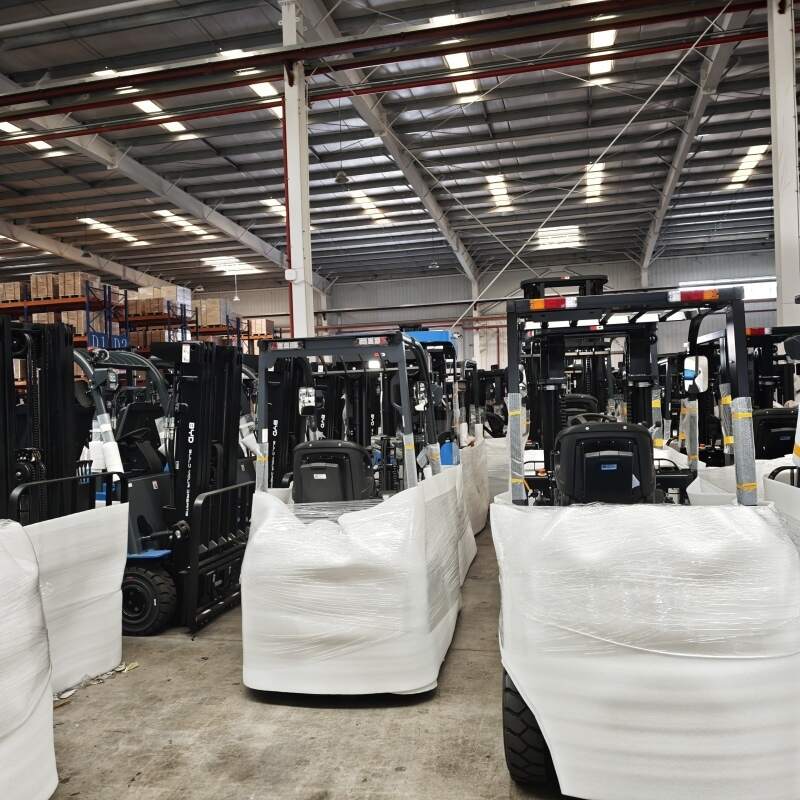
Second, evaluate the performance configuration of the lithium battery system properly. Unlike traditional lead-acid forklifts, lithium forklift features longer cycle life, shorter charging time, no need for frequent maintenance of electrolyte, and zero emission during operation. You can check the rated battery capacity, full charge duration, continuous working time under full load state, and battery safety protection design of the model you intend to purchase, to make sure it can support all your daily operation tasks without extra trouble. You can also test the operation sensitivity of the control lever, the viewing angle of the fork operation, and the riding comfort of the operator space during on-site test drive.
Third, calculate the total operation cost in the whole life cycle reasonably. Many buyers only focus on the one-time purchase cost, but ignore the later operation and maintenance expenditure. Qualified lithium forklift does not need regular battery maintenance, consumes less power per hour of operation, and has relatively long service life of the whole vehicle, which can bring stable long-term return on investment for your enterprise. You can also take after-sales service coverage, on-site maintenance response speed, and spare parts supply efficiency into your evaluation system, to avoid extra loss caused by equipment downtime in peak operation period.
As a professional new energy equipment supplier, Jian Shu New Energy focuses on BYD electric forklift, and is dedicated to providing customers with compliant, stable and reliable lithium forklift products and full-cycle supporting services. If you have any consultation demand for lithium forklift selection, operation solution design or related service, you can send email to [email protected] for further communication.


