
 English
 简体中文
 Русский
 Français
 Português
 لالعربية


For most material handling operations, choosing the right power solution for forklifts directly impacts overall operational efficiency, cost control and workplace safety. Many teams that still use lead-acid powered forklifts may not notice the subtle signs that a switch to lithium forklift will bring tangible improvements to their daily workflow. Below we list 8 common signs that indicate your operation may be ready for a lithium forklift upgrade.
First, your teams often need to stop operations for battery replacement during multi-shift continuous work. Lead-acid batteries usually take long hours to charge fully and extra cooling time, which forces teams to reserve extra backup batteries and pause operation for swap during peak hours, cutting down effective working time.
Second, your frontline maintenance teams spend several hours every week on routine battery care, including water topping, acid level check and cable condition inspection. These repetitive tasks take up valuable manpower that can be assigned to more productive core operation tasks.
Third, you notice obvious battery capacity drop when working in low temperature cold storage or outdoor winter scenarios. Traditional lead-acid solutions tend to lose large part of their rated capacity in sub-zero environments, while well-designed lithium units can retain most of their output even under cold working conditions.
Fourth, your indoor operation areas have strict ventilation and emission control rules. Lead-acid batteries will release trace acid mist during charging process, which requires dedicated separated charging zones with good ventilation to avoid safety risks, while lithium forklift batteries produce no harmful emissions under normal operation.
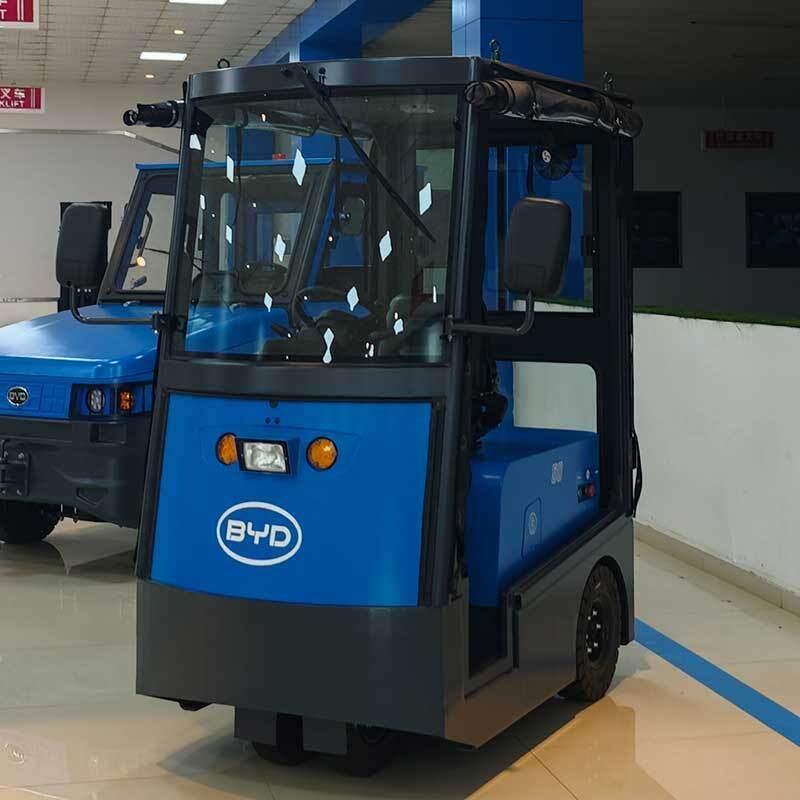
Fifth, your monthly electricity and energy consumption cost for the whole forklift fleet keeps staying at a high level that exceeds your budget expectation. Lithium power solutions have higher energy conversion efficiency, which can cut down overall energy use per hour of forklift operation effectively.
Sixth, you have to allocate a large dedicated storage and charging space for backup lead-acid batteries. These spaces usually occupy valuable area that can be used for extra product storage or operation workflow optimization, bringing indirect loss to your operation.
Seventh, your annual expenditure on battery replacement, maintenance and related parts keeps rising year by year, adding unplanned extra cost to your operation budget.
Eighth, your forklifts show obvious power output drop when lifting heavy cargos for a long time during the peak shift, which slows down the whole loading and unloading process.
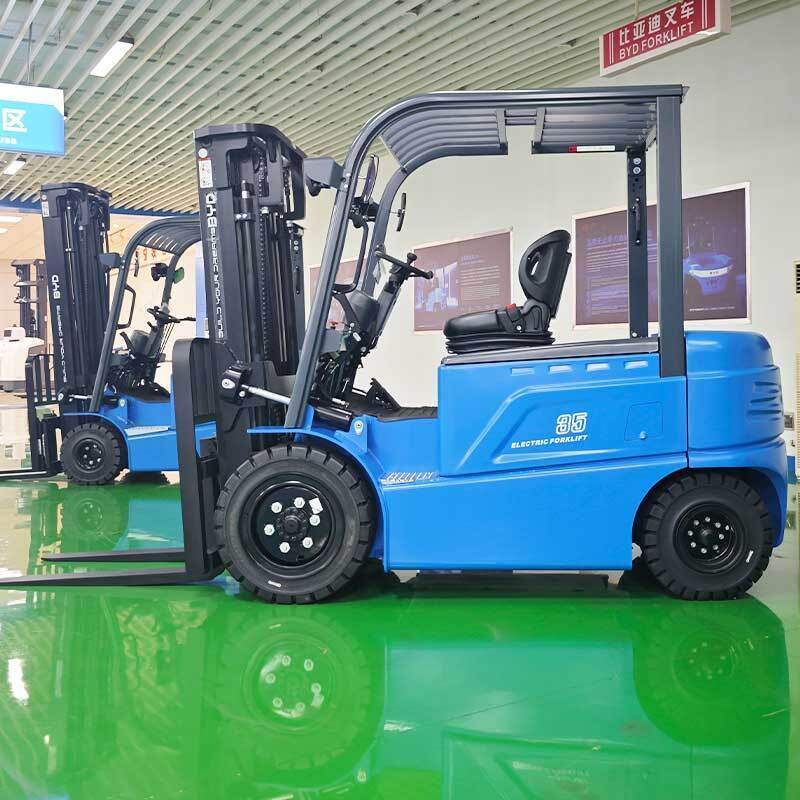
After checking these signs, if you find more than 3 of them match your current operation status, it is the right time to consider introducing lithium forklift solutions. We are Jian Shu New Energy, focusing on BYD electric forklift, you can contact us via [email protected] for customized consultation for your operation.


