
 English
 简体中文
简体中文 Русский
 Français
 Português
 لالعربية

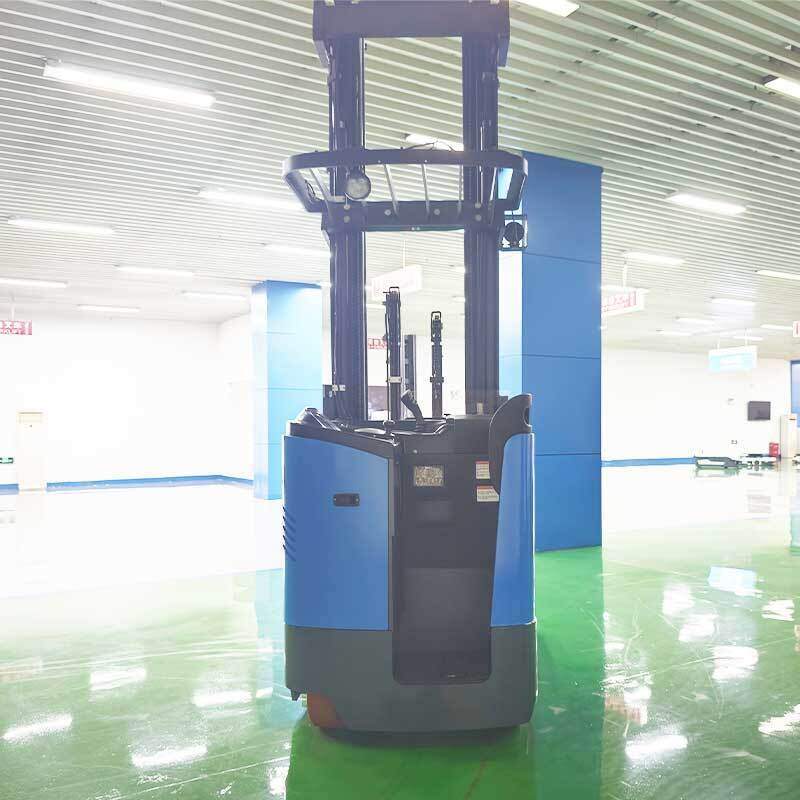
Against the background of growing demand for low-carbon industrial operation, electric forklifts have become one of the most widely used material handling equipment in warehouse, manufacturing and distribution scenarios in recent years. Different from traditional internal combustion counterparts, electric forklifts rely on power battery as energy source, and their operation logic, maintenance rules and applicable scenarios have distinct characteristics that require operators and warehouse managers to master systematic relevant knowledge to give full play to their use value.
Core Performance Characteristics of Electric Forklifts
Most electric forklift models run with low noise during operation, and produce no direct exhaust emission, which can meet the environmental requirements of closed indoor warehouse, food storage and other scenarios that have strict rules on air quality and working environment comfort. The output power of the drive and load lifting system can be adjusted smoothly according to actual operation needs, which brings more stable lifting and moving experience when handling heavy goods on flat ground. The whole vehicle will not produce extra exhaust heat during long time continuous operation, which helps to maintain stable indoor working temperature and reduce extra energy consumption of supporting cooling equipment.
Routine Maintenance Guidelines for Daily Use
Regular daily inspection work can effectively reduce the probability of unexpected fault and extend the whole service cycle of the equipment. Operators need to check the remaining power status before each shift, and clean the dust and sundries attached to the surface of the battery module in time to keep the heat dissipation channel unobstructed. It is also necessary to check the wear degree of driving wheels, the flexibility of hydraulic lifting structure, and the sensitivity of safety warning components at fixed intervals, and arrange professional personnel to deal with abnormal signs found in the inspection in time. Users can also arrange reasonable charging plans according to the actual operation intensity, to avoid long term deep power loss that may cause negative impact on the overall health status of the battery system.
Practical Tips to Improve Operation Efficiency and Safety
Operators need to receive standard operation training before taking up the post, and follow the load limit rule specified in the equipment operation manual in all working scenarios, to avoid potential safety risks caused by overloading. When working in narrow warehouse aisles, operators need to adjust the running speed reasonably according to the surrounding personnel distribution and goods stacking status, to ensure the smooth and orderly of the whole material handling process. Combining the operation route planning with warehouse goods storage optimization can further give full play to the performance advantage of electric forklifts, and help the whole warehouse operation system get relatively higher material turnover efficiency under reasonable cost input.


