
 English
 简体中文
简体中文 Русский
 Français
 Português
 لالعربية

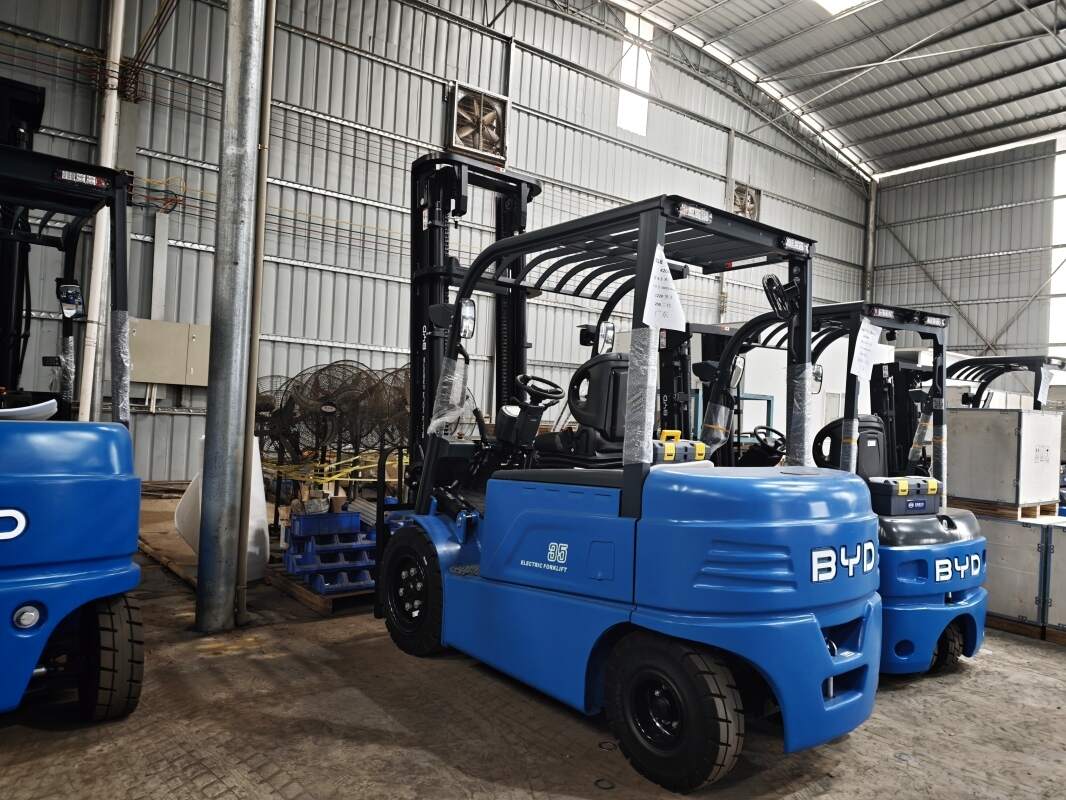
With the continuous development of green logistics systems, electric forklifts have become one of the most widely used material handling equipment in indoor and semi-enclosed storage scenarios. Reasonable application and standardized management of such equipment can effectively support the smooth operation of daily handling workflows, and bring tangible optimization to overall warehouse operation efficiency.
Core Advantages of Electric Forklifts for Daily Operations
Compared with internal combustion counterparts, electric forklifts produce no exhaust emissions during operation, which fits the environmental protection requirements of closed warehouse spaces and avoids potential pollution of stored goods. The noise level during operation is also controlled within a relatively low range, which reduces disturbance to on-site staff and avoids interference with normal communication in dense working areas. Most models adopt adjustable speed modes, which can adapt to different handling scenarios such as narrow aisle transit and high-precision cargo stacking, bringing more flexible operation space for warehouse management teams. The overall operation cost per unit hour is also at a relatively manageable level after long-term statistical calculation.
Standardized Daily Maintenance Protocols
Regular inspection and maintenance is a key link to extend the stable service life of electric forklifts. Before each shift, operators need to check the remaining power level, the wear condition of tire surfaces, the sensitivity of braking systems and the smoothness of lifting mechanisms. After each operation cycle, the equipment surface should be cleaned of dust and residual cargo debris, and the battery charging process should be completed in the designated dedicated area, avoiding overcharging or long-term power loss storage. Professional personnel should be arranged on a regular basis to check the connection status of electrical components, and deal with potential hidden dangers in time before they cause negative impact on normal daily use.
Safety Operation Guidelines for Long-term Stable Performance
Operators need to receive systematic pre-job training to master the correct operation logic of each functional component, and strictly follow the specified load capacity requirements during the handling process, avoiding overloading that may cause damage to the equipment or unexpected safety accidents. When driving in narrow aisles, keep a safe distance from surrounding shelves and passing personnel, and lower the gantry properly when traveling to maintain the stability of the vehicle body. For different working scenarios such as low temperature or high humidity, adjust the corresponding operation and maintenance strategies according to official specification guidance, to ensure that the equipment maintains a good working state for a long time.


