
 English
 简体中文
简体中文 Русский
 Français
 Português
 لالعربية

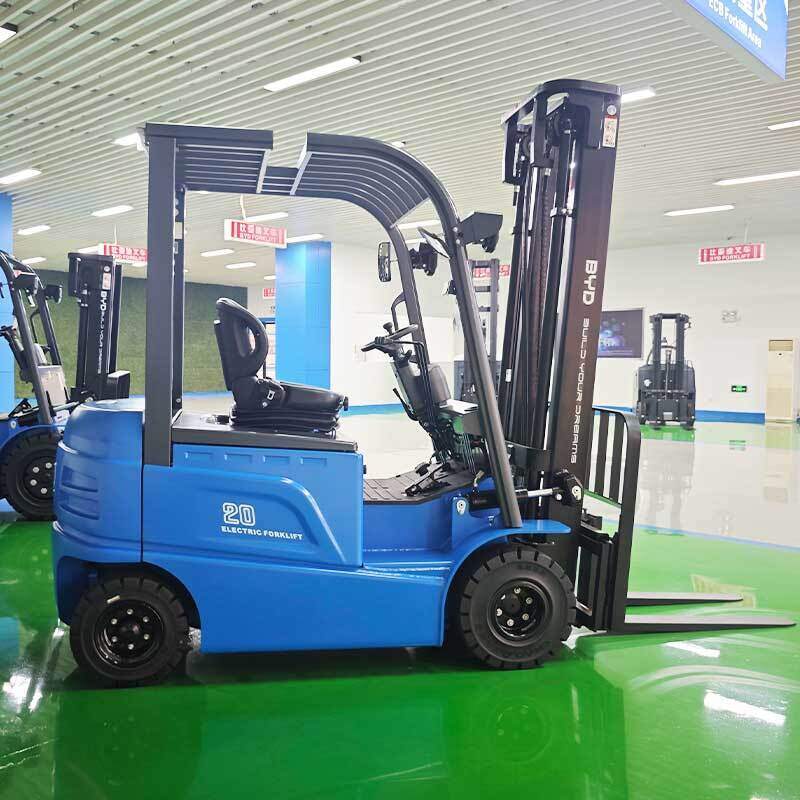
As the low-carbon, high-efficiency material handling concept gains wider popularity across global industrial and logistics sectors, electric forklifts have become a preferred equipment choice for most indoor storage, manufacturing workshop and distribution center operation scenarios. Many frontline operators and warehouse managers still lack systematic, practical guidance to fully release the comprehensive performance of such equipment, and extend its stable service cycle.
Standard Daily Operation Norms
Before starting each shift, operators should complete a full pre-operation inspection, check the tire wear status, brake sensitivity, lifting accessories flexibility and battery connection tightness to eliminate hidden risks in time. During the operation process, staff should avoid driving on slopes that exceed the equipment’s rated gradient limit, do not conduct overload handling beyond the specified load range, keep the driving speed at a safe low level when passing narrow warehouse aisles or turning, to prevent accidental collision with shelf structures or stacked goods. Operators should also keep a clear sight line during high position stacking operation, adjust the lifting height of goods to a reasonable range according to the actual site condition, to avoid falling of goods from high positions.
Core Routine Maintenance Points
Different from traditional internal combustion forklifts, electric forklifts take the power battery and permanent magnet motor as core power output components, so the daily maintenance priority should focus on the health status of the energy storage system. Operators are suggested to follow the official specified charging process, avoid frequent over-discharge of the battery to the critical low power state, clean the dust and sundries attached to the surface of heat dissipation components regularly, check the hydraulic oil quality for lifting modules at fixed intervals, and replace the lubricating grease for transmission parts on the required schedule. Timely troubleshooting of minor abnormal feedback can effectively avoid larger component damage that leads to long term production halt.
Safety and Efficiency Optimization Suggestions
When arranging the operation schedule of electric forklift fleets, warehouse managers can reasonably allocate different handling tasks according to the remaining power of each unit, arrange the centralized charging plan in the non-peak period of material turnover, to avoid the unexpected power shortage that disturbs the normal operation rhythm of the whole site. It is also recommended to organize periodic skill training for frontline teams, to help operators form standardized operation habits, reduce unnecessary component wear, and lower potential safety risks in the daily working environment. Proper use and regular maintenance can help enterprises fully take advantage of electric forklifts’ strengths in low noise, zero local emission and stable output performance, to create reliable support for daily material handling workflows.


