
 English
 简体中文
简体中文 Русский
 Français
 Português
 لالعربية

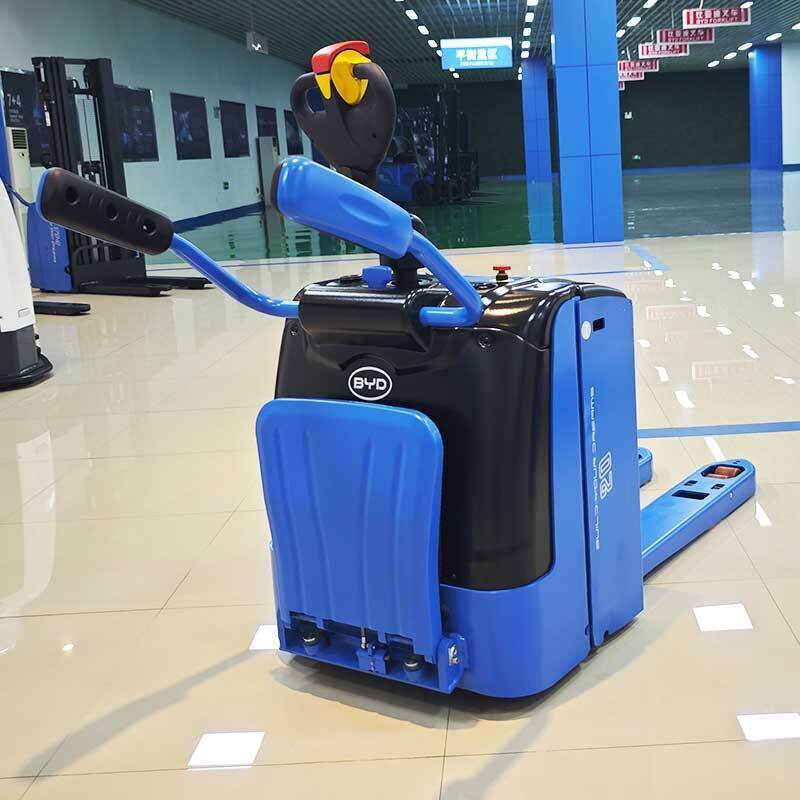
As low-carbon logistics becomes the mainstream trend in the industrial material handling sector, electric forklifts have gradually become the preferred equipment for most warehouse, manufacturing and distribution scenarios thanks to their low noise, zero local emission and flexible operation features. Many frontline operators and warehouse managers still lack systematic, practical guidance to maximize the value of such equipment, which leads to unnecessary wear, unexpected downtime and hidden safety risks in daily usage.
Key Operational Preparations Before Daily Use
Before starting any shift work, operators need to conduct a full pre-check of the electric forklift, covering the remaining power level of the power pack, the flexibility of lifting and steering components, the sensitivity of braking and warning systems, as well as the condition of tire wear. All potential hidden issues should be reported to the management team for timely handling before formal operation, to avoid sudden malfunctions that may cause cargo damage or personal injury during high-load working processes. Operators should also confirm the weight of the to-be-handled cargos in advance, to make sure the load is within the rated bearing range of the corresponding equipment model.
Standardized Daily Operation Guidelines
During the formal operation process, operators need to keep a stable driving speed according to the on-site environment, avoid sharp turning, sudden braking and other irregular operations that may cause unbalance of the lifted cargos. When the equipment is running on wet, slippery or sloped road sections, the driving speed should be reduced properly, and passengers are not allowed to ride on the equipment except the assigned operator. When lifting high-value or easily damaged cargos, operators should adjust the lifting height slowly, keep the gravity center of the cargos stable within the support range of the forks, and avoid over-high stacking that may lead to tipping risks. After the shift ends, operators should park the equipment in the designated safe area, lower the forks to the ground position, turn off the whole power system and pull the hand brake to lock the device.
Routine Maintenance Protocols to Extend Service Lifespan
Regular maintenance work can effectively reduce the failure rate of electric forklifts and extend their overall service cycle. For the power supply system, users should follow the official suggested charging rules, avoid over-discharging the power pack to too low level, and keep the surface of the power unit clean and dry to prevent short circuit risks. For the moving and transmission components, regular lubrication treatment should be arranged on a scheduled basis to reduce frictional wear between parts. The body surface and ventilation channels should also be cleaned regularly, to prevent accumulated dust and sundries from affecting the normal heat dissipation of the internal control components.
Energy Efficiency Optimization Practices
Reasonable operation habits can also help users reduce the overall energy consumption of electric forklifts effectively. Planning the handling route in advance to reduce redundant running distance, avoiding frequent acceleration and deceleration during the driving process, and arranging the charging plan based on the actual work schedule, all these small adjustments can help improve the using efficiency of the equipment, reduce the long-term operation cost of the whole warehouse. After long-term standardized operation and maintenance, electric forklifts can create stable, safe and high-efficient material handling support for various industrial scenarios.


