
 English
 简体中文
简体中文 Русский
 Français
 Português
 لالعربية

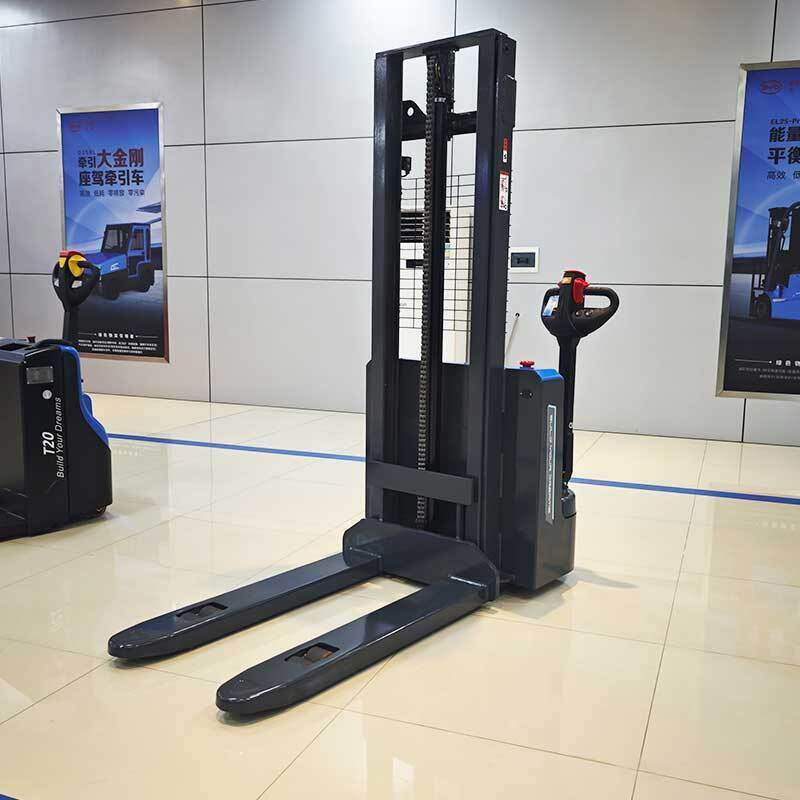
As low-carbon logistics and warehouse management concepts gain wider popularity across the global material handling industry, electric forklift has become one of the most widely adopted handling equipment for its low noise, zero local emission and flexible operation features. Many frontline operators and warehouse managers still need systematic, science-based guidance to make full use of the equipment’s advantages in daily operations.
Core Pre-operation Inspection Protocols
Every operator needs to complete a full range of pre-operation checks before starting each shift, rather than directly starting the equipment for tasks. Workers should check the remaining battery level, tire surface wear condition, brake system sensitivity, and the flexibility of all control levers first, to confirm no hidden abnormality exists. Operators also need to observe the surrounding working area, mark out potential obstacles in the moving path, and confirm no unrelated personnel stays in the operation blind zone to reduce collision risks.
Standardized Daily Usage Norms
During the whole operation process, operators need to control the driving speed according to the specific site conditions, slow down and honk in advance when passing narrow channels, doorways or turning corners. When moving on slopes, operators should keep the forks at 10 to 15 centimeters above the ground, avoid sudden braking or sharp steering to prevent goods from falling off. The main power supply should be fully turned off when the equipment is left idle for more than 30 minutes, and no flammable or explosive materials are allowed to be stacked around the charging area.
Routine Maintenance Best Practices
Operators should follow the official operation specification to arrange regular maintenance work, instead of overusing the equipment until obvious faults appear. They should arrange regular charge and discharge cycle calibration for the power battery, avoid deep over-discharge that may damage the internal battery structure. It is also suggested to clean the dust and debris accumulated on the equipment body on a weekly basis, check the tightness of all circuit connectors, and add lubricant for regularly moving parts to reduce wear. If abnormal noise or operation deviation is found, the operator should stop the equipment for inspection immediately instead of continuing work.
Scenario Adaptation Efficiency Tips
For different application scenarios, operators can make small adjustments to further improve operation efficiency. For example, when working in low-temperature cold storage, relevant protective measures for the battery and control system should be taken to keep stable performance. For high-frequency operation scenarios, operators can arrange short supplementary charging during shift break time to avoid unexpected power outage in peak hours. Reasonable planning of operation routes can also reduce invalid no-load driving, lower energy consumption and improve the overall material turnover efficiency of the warehouse.


