
 English
 简体中文
简体中文 Русский
 Français
 Português
 لالعربية

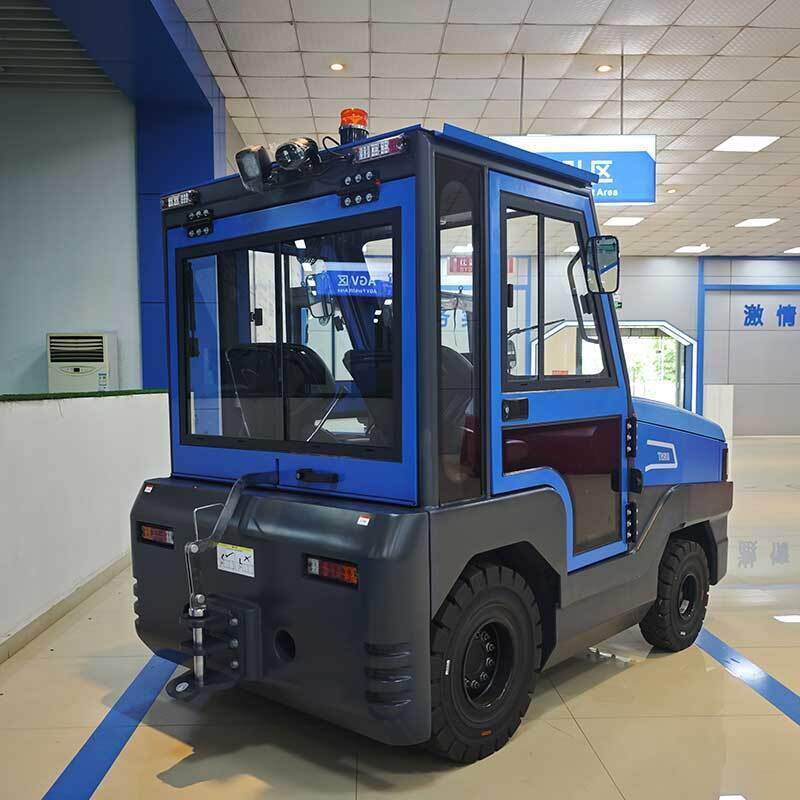
The wide application of electric forklifts in modern warehousing, manufacturing and logistics scenarios is closely related to their low noise, zero local emission and flexible operating characteristics. For frontline operators and equipment managers, mastering standardized use and maintenance skills can effectively reduce equipment failure rate, extend service cycle and ensure stable operation of daily material handling tasks.
Core Standardized Operation Rules
Before starting each shift of operation, operators need to complete necessary pre-check steps, including observing the remaining power level, testing the flexibility of lifting and steering components, and confirming the normal sensitivity of the braking system. During the operating process, users should match the load weight with the rated load range of the equipment, avoid long-time over-lifting the goods beyond the load center distance, and keep a stable driving speed according to the on-site road condition, to avoid sudden acceleration or emergency stop that may cause goods to slip or equipment components to wear prematurely. When passing narrow passages or areas with dense pedestrian flow, operators need to slow down properly and sound the prompt device to remind surrounding personnel to pay attention to avoidance.
Routine Daily Maintenance Skills
The core component of electric forklift, the power battery, needs targeted daily management. Operators should follow the official charging specification to complete the charging process, avoid long-term over-discharge after the power is exhausted, and also avoid continuous over-charging for a long time after the battery is fully filled. After each daily work is finished, users can simply clean the dust and debris accumulated on the surface of the equipment, check the tightness of the electrical connection interface, and regularly check the wear degree of the tire surface and the lubrication state of the lifting chain according to the actual operating frequency. Timely removal of minor hidden problems found in daily inspection can prevent larger equipment failures that may affect the normal operation of the work.
Safety Optimization for High Frequency Operation
For scenarios with high continuous operation frequency, operators need to pay attention to the blind area of vision generated when the equipment is loaded with high piles of goods, properly adjust the driving speed and choose a reverse driving mode when necessary to ensure the full view of the surrounding environment. When operating on ramp areas, users should keep the goods facing the uphill direction, avoid turning on the ramp to prevent the risk of side slip. It is also recommended to arrange regular operation skill training for all frontline operators, to help them form standardized operation habits and reduce the probability of safety accidents caused by irregular operation.
Energy Efficiency Promotion Methods
To improve the continuous operation time of the equipment in a single shift, the management team can plan the material handling route reasonably according to the actual layout of the site, reduce unnecessary empty driving and repeated route overlapping, and adjust the power output mode of the equipment appropriately according to the weight of the handling goods, which can effectively reduce the unnecessary power consumption and improve the overall working efficiency of the electric forklift fleet.


