
 English
 简体中文
简体中文 Русский
 Français
 Português
 لالعربية

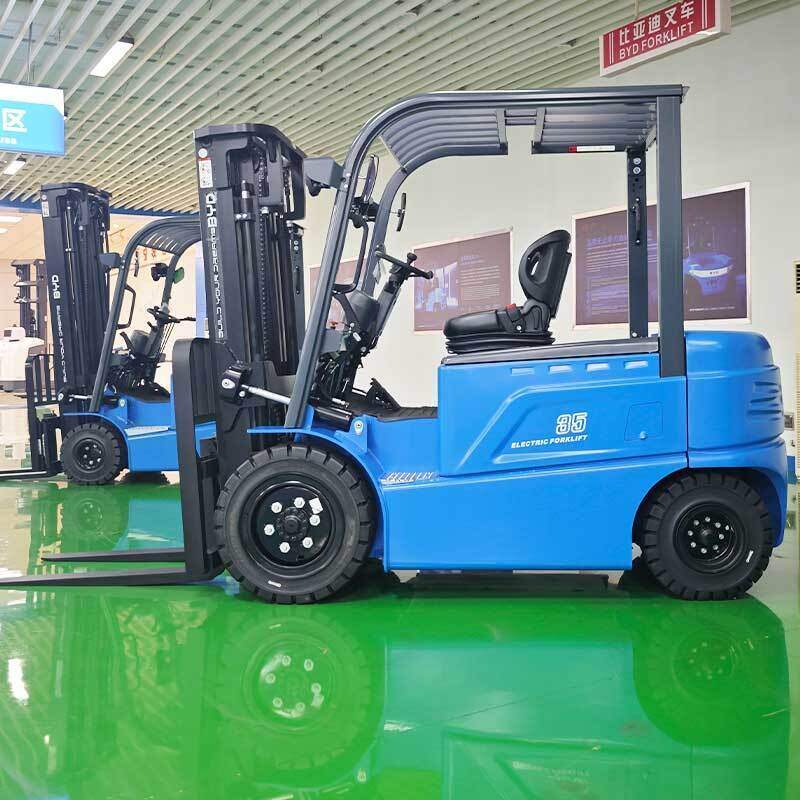
With the continuous development of low-carbon logistics and intelligent warehousing, electric forklifts have become one of the most widely used material handling equipment in various industrial scenarios in recent years. Mastering correct use and management methods can give full play to the value of such equipment in daily operation.
Core Functional Advantages of Modern Electric Forklifts
Compared with traditional internal combustion powered handling equipment, electric forklifts produce no local exhaust emissions during operation, and the overall noise level is kept at a relatively low range, which can meet the environmental requirements of closed warehouses, food processing workshops, pharmaceutical production sites and other scenarios that have strict restrictions on air quality and working noise. The energy consumption cost per unit running time is lower than that of fuel-powered equipment, and there is no need to purchase large amounts of fuel for long-term storage, which can effectively control the daily operating expenditure of the logistics system.
Standardized Daily Operation Specifications
Before starting the equipment every shift, operators need to complete a full pre-shift inspection, including checking the remaining battery level, the sensitivity of the braking system, the flexibility of the lifting gantry, and whether the fork structure has obvious deformation. During the operation process, overloading beyond the rated load capacity should be avoided as much as possible. When driving in narrow warehouse aisles, operators need to pay continuous attention to the surrounding passing personnel and stacked goods to avoid accidental collision. It is not allowed to drive laterally on the ramp, and the power supply should be cut off and the hand brake pulled tightly after the equipment is parked for a long time.
Routine Maintenance Points to Extend Service Life
Regular inspection of the electrolyte level of the power battery is a key maintenance step, and operators should avoid over-discharging the battery to affect the overall service cycle. The charging area should be kept ventilated and dry to avoid potential safety hazards caused by humid environment. The rotating and sliding moving parts of the equipment need to be lubricated regularly, and the dust and sundries accumulated in the gap of the vehicle body should be cleaned in time. When minor abnormal conditions are found in the operation, relevant personnel should arrange troubleshooting in time, and it is not recommended to operate the equipment with hidden faults.
Scene Adaptation Tips for Higher Operational Efficiency
Enterprises can select equipment with corresponding load capacity and turning radius according to the actual width of warehouse aisles, and confirm the appropriate maximum lifting height according to the height of storage shelves. For operation scenarios with low ambient temperature for a long time, users can choose matching battery thermal insulation accessories to ensure stable output performance. Reasonably arranging the charging time of equipment in non-peak operation periods can reduce the waiting time for operation, and further improve the overall turnover efficiency of warehouse materials.


