
 English
 简体中文
简体中文 Русский
 Français
 Português
 لالعربية

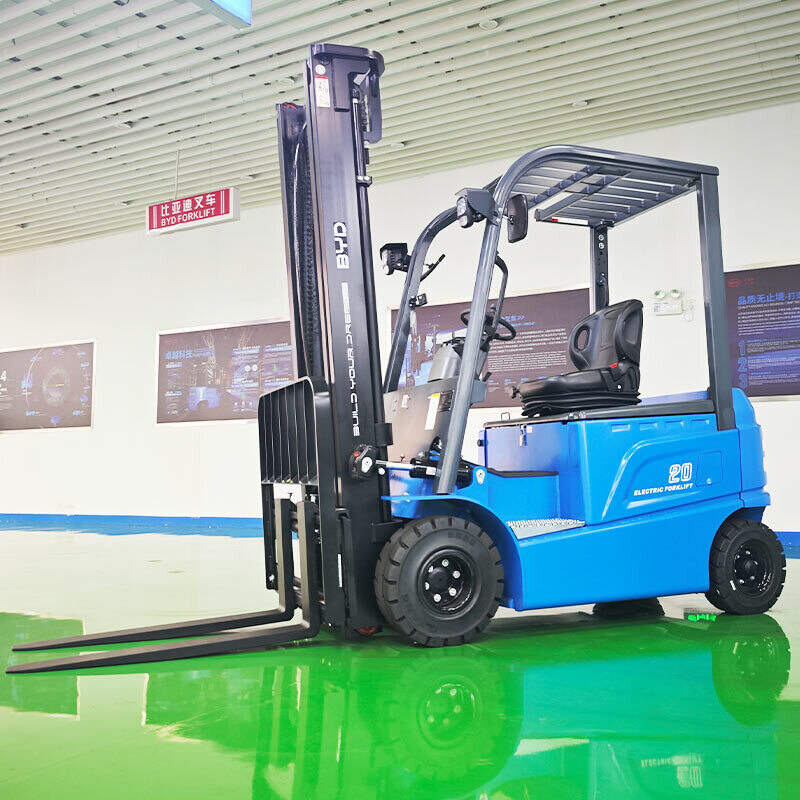
Seafood cold storage zones feature long-term low temperature environment that usually stays below -18℃, and relative humidity often exceeds 90% with tiny salt crystals precipitated from frozen seafood packages floating in the air, which puts special requirements for electric material handling trucks running here. Irregular operation will easily cause frequent component faults, hidden safety risks and shortened service life.
Before the trucks formally enter the formal low temperature working zone, operators should park the vehicles in the constant temperature transition buffer zone for at least 2 hours, to let all electrical components, hydraulic parts and sealing structures gradually adapt to the temperature change. This pre-adaptation process can effectively avoid sudden temperature drop leading to internal condensation that may cause short circuit of electrical systems. Operators also need to check all reserved drain holes on the vehicle body in advance, to make sure no blockage exists, so that the condensed water generated during operation can be drained out in time.
During daily operation, the continuous working time of the electric material handling truck in the low temperature high humidity zone should not exceed the rated limit set for special cold storage models. When there is a temporary pause of more than 15 minutes, operators should drive the truck back to the transition buffer zone instead of parking it inside the cold storage for a long time. When lifting and placing frozen seafood goods, avoid violent operation on the control lever, as the viscosity of hydraulic oil will rise significantly under low temperature condition, improper force will cause extra wear of hydraulic seals and pipeline structures. Operators should also check the anti-corrosion coating on the metal body regularly, once peeling of the coating is found, carry out supplementary anti-rust treatment in time to avoid salt-containing humid air corroding the internal metal structure.
For daily maintenance, operators should select dedicated lubricating grease, hydraulic oil and battery electrolyte that fit low temperature working condition, do not use general supplies for normal temperature scenarios instead. After finishing all daily operation tasks, move the truck to the transition buffer zone and stay for at least 1.5 hours, wipe out all residual frost and condensed water on the vehicle surface completely before long term storage. Carry out periodic inspection for the insulation resistance of the whole electrical system, keep the index within the safe range to eliminate potential leakage risks. Following these practical notes can effectively guarantee the operation stability of the vehicle, reduce unnecessary fault downtime, and bring stable and reliable support for seafood cold storage daily logistics operation.


