
 English
 简体中文
简体中文 Русский
 Français
 Português
 لالعربية

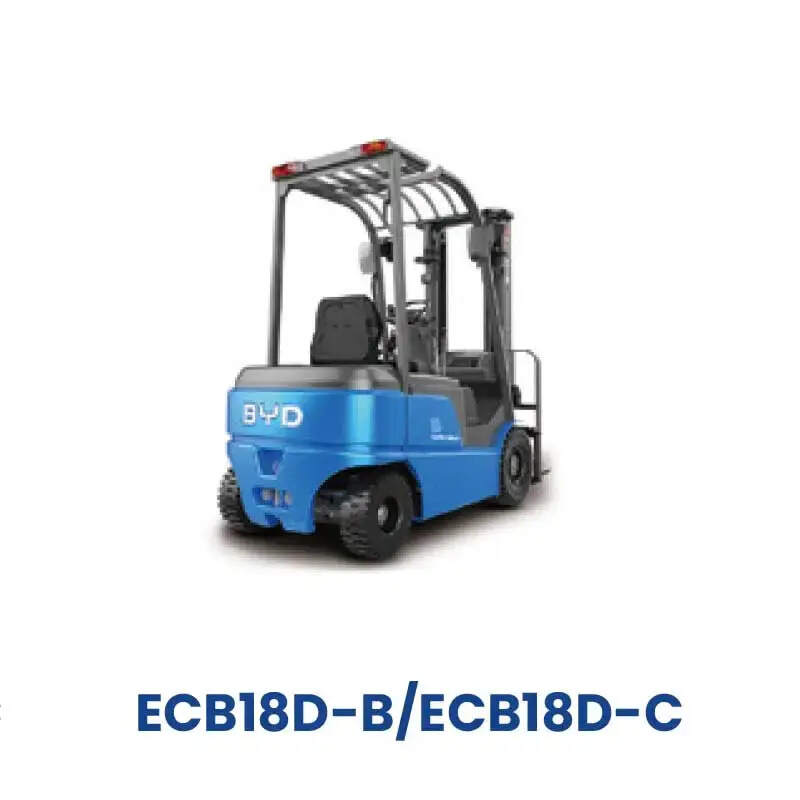
Against the background of global low-carbon logistics transformation, electric forklifts have gradually become the mainstream material handling equipment in warehousing, manufacturing, port and retail distribution scenarios. Unlike traditional internal combustion forklifts driven by fossil fuels, electric forklifts rely on stored electric energy to output power, bringing different operational experiences and management requirements for enterprise users.
Core Functional Advantages of Electric Forklifts
Most current electric forklift products use high-efficiency energy storage modules, which can effectively reduce noise emission and realize zero on-site exhaust gas discharge during operation. For enclosed working scenarios such as indoor warehouses and food processing workshops, this feature can help maintain a good on-site working environment, reduce the health impact on long-term operating staff. The overall vibration level of the electric power system is also lower than that of internal combustion power units, which can effectively reduce the fatigue degree of operators after long hours of driving, and create a more comfortable working condition.
Standard Daily Operation Specifications
Operators need to complete full pre-inspection work before each shift, including checking the remaining power of the energy storage unit, the flexibility of the braking system, the normal operation of the lifting mast and the integrity of the safety warning light group. During the operation process, it is not recommended to overload the equipment beyond the rated load, and avoid sharp acceleration and sharp deceleration as much as possible, so as to extend the service life of the power system and walking components. When the equipment is not in use, it should be parked in a designated ventilated and dry area, the mast should be lowered to a horizontal position, and the power supply should be cut off to avoid unnecessary safety risks.
Regular Maintenance and Upkeep Points
Enterprises can formulate targeted maintenance plans according to the actual working intensity of the equipment. For the energy storage module, it is necessary to regularly check the tightness of the connecting wiring harness and the surface cleanliness of the shell, and avoid long-term full power or zero power storage state. For the walking transmission system and hydraulic lifting system, regularly replace the lubricating grease and hydraulic oil according to the manual requirements, check the wear degree of the tire and the sealing performance of the hydraulic pipeline. Proper daily maintenance can effectively reduce the failure rate of the equipment in the whole life cycle, and reduce the comprehensive operating cost of the material handling link. With the continuous maturity of related technologies, reasonable operation and maintenance management can give full play to the use value of electric forklifts, and provide stable support for the efficient operation of the logistics system.


