
 English
 简体中文
 Русский
 Français
 Português
 لالعربية


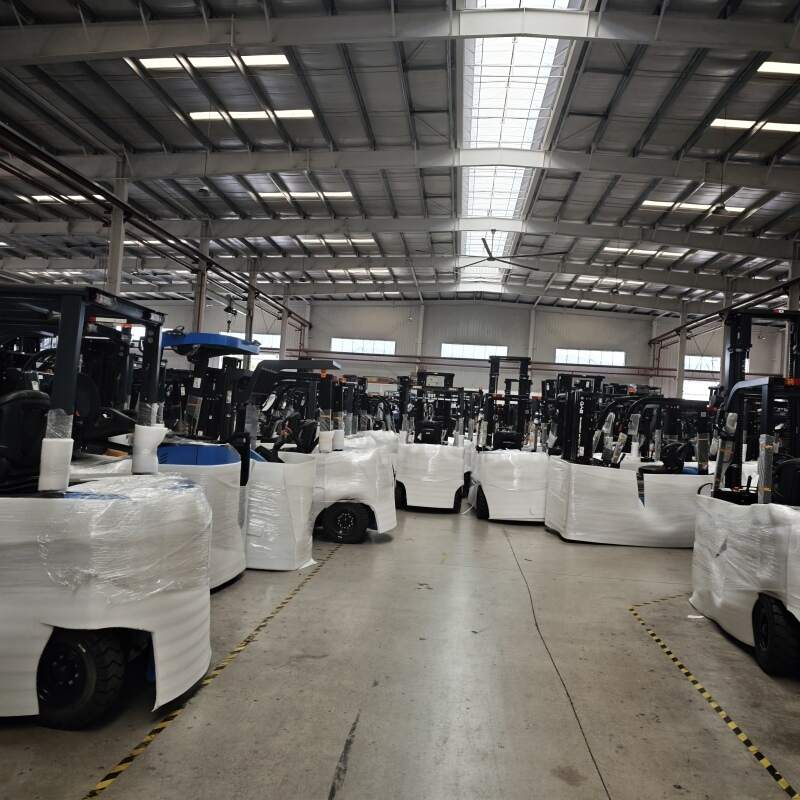
Forklift operations in confined warehouse aisles, busy loading and unloading docks, and narrow material stacking areas often face prominent blind spot risks that are hard to eliminate through conventional observation methods. A professional camera system for forklift serves as a practical auxiliary safety tool to effectively expand the driver’s observation range, and reduce the possibility of collision with pedestrians, goods or surrounding facilities.
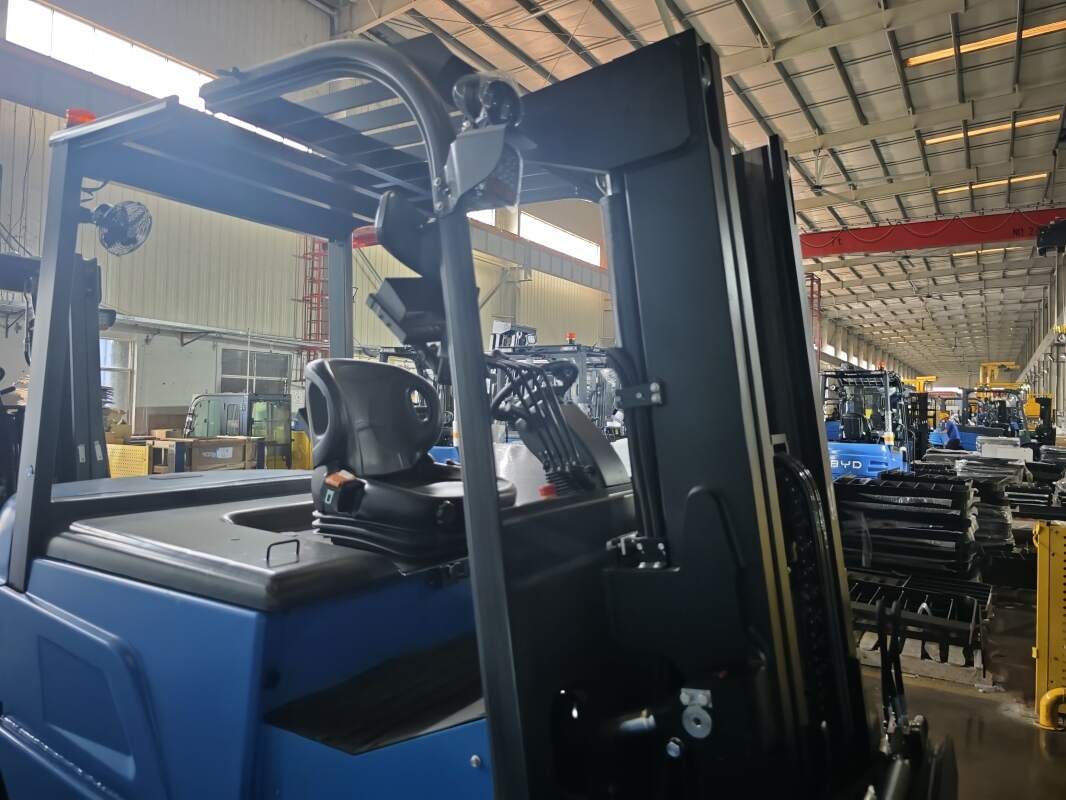
The first core consideration is matching the camera installation position and viewing angle with your actual operation scenarios. For high-stacking electric forklifts that often lift goods to more than 3 meters, you can arrange the camera above the gantry to clearly observe the gap between the goods and the shelf during high-altitude access. For frequent reversing handling scenarios, the rear-view camera with a wide viewing angle can cover the full dead zone behind the vehicle, and you can also select corresponding side cameras according to the width of the vehicle body to cover the blind area on both sides. It is also necessary to confirm the camera’s anti-shock performance, to ensure that the picture remains stable and clear when the forklift passes through uneven road surfaces or is loaded with heavy goods.
The second key point is to verify the environmental adaptability of the camera. Many industrial operation scenarios have special environmental characteristics, such as low temperature cold storage, high dust processing workshops, or open yards with frequent rain. The selected camera should reach the corresponding protection level, to avoid lens fogging, internal water ingress or dust deposition that will affect the shooting effect. For operation areas with insufficient ambient light, you can choose a camera with soft supplementary light function, to ensure clear and identifiable imaging even in dark night or unlit storage areas.
The third non-negligible consideration is the compatibility between the camera system and the original forklift structure. For electric forklift products, the wiring and fixing method of the camera should not damage the original vehicle’s circuit harness, nor interfere with the normal operation of the original power, control and hydraulic systems. The supporting display terminal should be installed in the field of view of the driver that is convenient for glancing, and will not block the driver’s observation of the road conditions and operating actions in the front.
As a professional new energy enterprise, Jianxin New Energy is fully focused on providing high-quality BYD electric forklifts and matched supporting accessory solutions. If you have related demands for forklift camera selection, installation guidance or other electric forklift service, you can contact our team via the email address [email protected]. It is also worth noting that the forklift camera is only an auxiliary safety device, the driver should still strictly abide by the standard operation specifications, and regularly clean the camera lens and check the circuit connection status, to maintain long-term stable use of the device.


