
 English
 简体中文
简体中文 Русский
 Français
 Português
 لالعربية

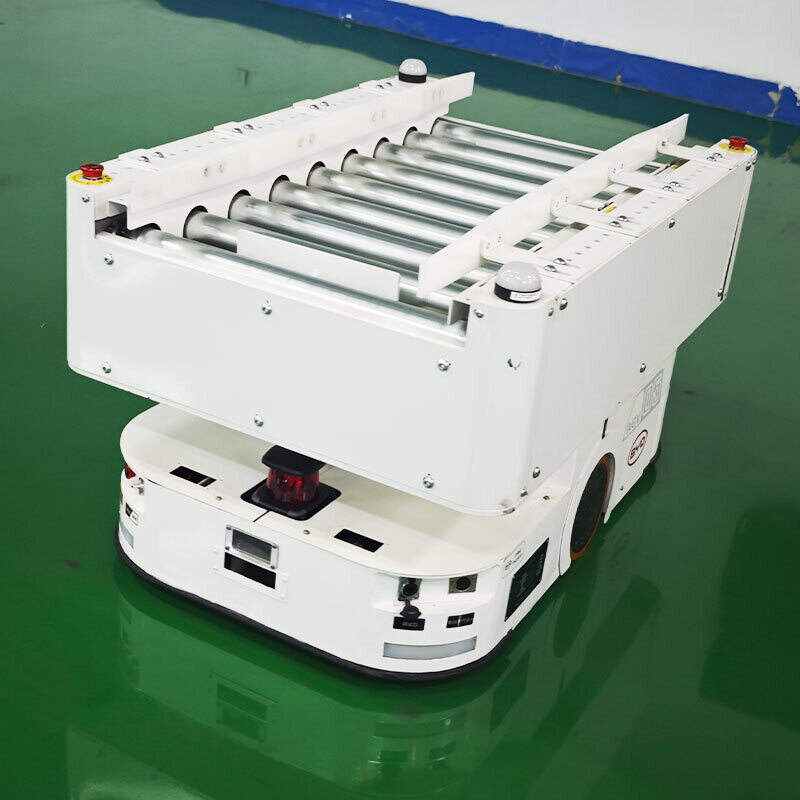
Against the background of accelerating green transformation in the global industrial and logistics sector, electric forklifts have gradually become one of the most widely used material handling equipment in closed warehousing, manufacturing workshops and cold chain storage scenarios. Mastering the basic attributes, operation specifications and maintenance logic of electric forklifts can help relevant practitioners give full play to the equipment’s performance advantages, reduce unnecessary operation loss, and create higher value for daily production and operation.
Core Performance Advantages of Electric Forklifts in Daily Application
Different from traditional internal combustion powered handling equipment, modern electric forklifts produce no direct exhaust emission during the whole working process, which can avoid the air pollution risk to sensitive stored goods such as food, medicine and precision electronic components. The overall running noise of electric forklifts is kept at a relatively low level, which will not cause excessive noise interference to the working environment in closed warehouses, and can also improve the comfort of operators during long-hour shifts. The power output of electric forklifts is smoother and more continuous, which reduces the vibration frequency during cargo lifting and moving, and effectively lowers the probability of cargo damage during handling. The overall structure of electric forklifts also saves the complex fuel supply pipeline layout, which reduces the difficulty of daily on-site safety management.
Standardized Operation Norms for Electric Forklift Users
Before operating the equipment, all relevant personnel need to complete systematic safety operation training, and master the basic structure and operation logic of the equipment before taking up the post. Before each start-up, operators need to carry out routine pre-inspection, including checking the flexibility of the braking system, the accuracy of the power display, and the smoothness of the hydraulic lifting structure. During the operation process, avoid sharp steering under heavy load state, keep low speed for long-distance movement in narrow channels, and observe the surrounding personnel and obstacle conditions at all times to avoid collision risks. When the equipment is not in use for a long time, the fork should be lowered to the lowest position and parked in the designated safe area, to avoid long-term pressure on the hydraulic support structure.
Routine Maintenance Methods to Extend Equipment Service Life
Daily maintenance work of electric forklifts does not require overly complicated procedures, and regular cleaning of dust and debris accumulated at the heat dissipation outlet of the power motor can ensure the stable operation of the power system. For the core power battery, it is necessary to carry out charging and discharging operations in accordance with the specified operation requirements, avoid long-term storage in a full power or under power state, and check the battery cell state regularly. Every 3 to 4 months, the on-site management personnel can check the tire wear degree and the tightness of each fixed fastener, and deal with minor hidden dangers in time, so as to avoid the expansion of faults that may cause greater operation loss. Reasonable application and maintenance of electric forklifts can effectively improve the turnover efficiency of materials in all kinds of logistics scenarios, which is highly compatible with the development trend of low-carbon and environmental protection of modern industrial production.


