
 English
 简体中文
简体中文 Русский
 Français
 Português
 لالعربية

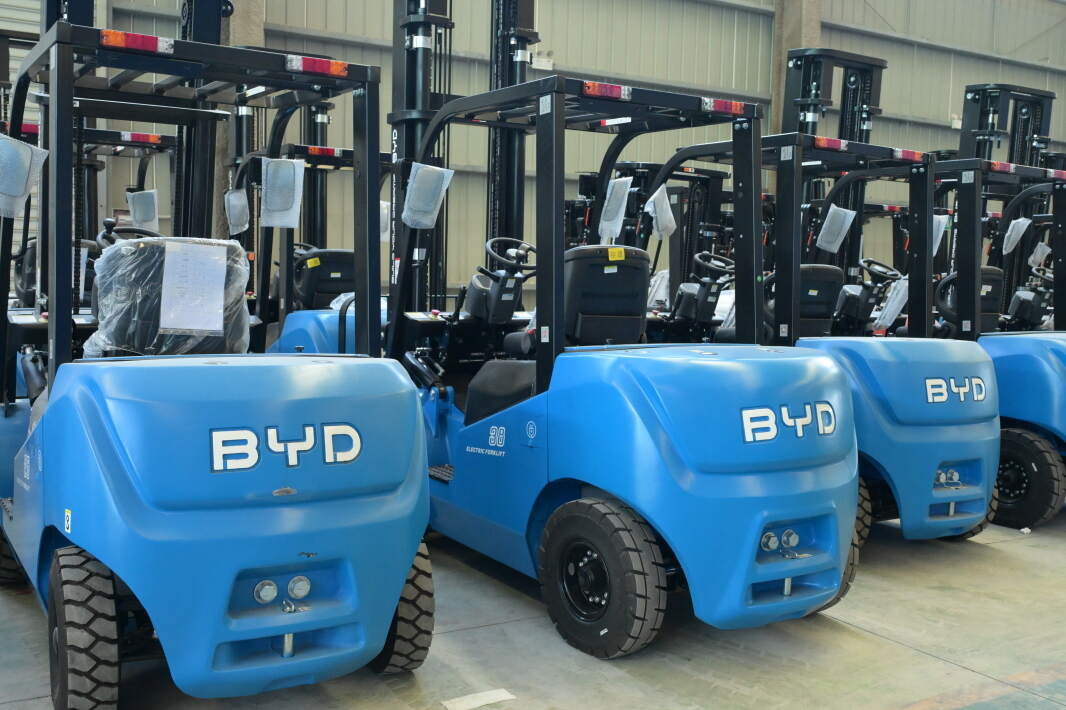
As low-carbon logistics development accelerates globally, electric forklifts have become one of the most widely applied material handling equipment in indoor warehouse scenarios, attracting attention from logistics operation teams for their low noise, zero local emissions and flexible operation features. Mastering systematic knowledge of electric forklift use and management can help teams maximize equipment value while keeping operation risks at a low level.
Core Advantages of Electric Forklifts for Scenario Matching
Unlike traditional internal combustion handling equipment, electric forklifts rely on stored battery power to provide power output, which produces no exhaust gas during full operation, making them suitable for closed or semi-closed indoor spaces such as food storage workshops, pharmaceutical distribution centers and clean production workshops. The overall noise level of normal operation is far lower than that of fuel-powered counterparts, which can reduce long-term noise interference to on-site staff and improve the comfort of long-hour operation shifts. Most electric forklift models have compact body dimensions, which can adapt to narrow aisle operation requirements in high-density storage warehouses, helping improve the utilization rate of limited warehouse space.
Standardized Daily Operation Specifications
Before each shift of use, operators need to conduct a basic inspection of the key components of the equipment, including the remaining battery power, the flexibility of the lifting and steering system, and the sensitivity of the braking device, to avoid potential hidden dangers caused by long-term neglected minor problems. During the operation process, operators need to follow the load limit requirements of the equipment, avoid overloading goods beyond the rated bearing range, and keep a safe distance from surrounding shelves, staff and other on-site facilities. It is not recommended to drive the equipment at excessive speed in crowded operation areas, and the lifting height of the forks should be adjusted to a reasonable range according to the actual stacking requirements to avoid accidental falling of goods.
Routine Maintenance Points to Extend Service Life
After each daily use, operators should park the equipment in the designated fixed area, turn off the power supply in order, and carry out necessary cleaning work on the surface of the equipment and the fork parts to remove sundries and dust accumulated during the handling process. The battery pack, as the core power component, needs to be charged in strict accordance with the operation guidelines, avoid long-term over-discharge or over-charging behavior, and regularly check the stability of the connection points of the power circuit. Regular professional inspection of the motor, hydraulic system and control circuit can help discover potential aging problems in time, reduce unexpected equipment failure rates in peak operation periods, and create more stable value for long-term logistics operation.


