
 English
 简体中文
简体中文 Русский
 Français
 Português
 لالعربية

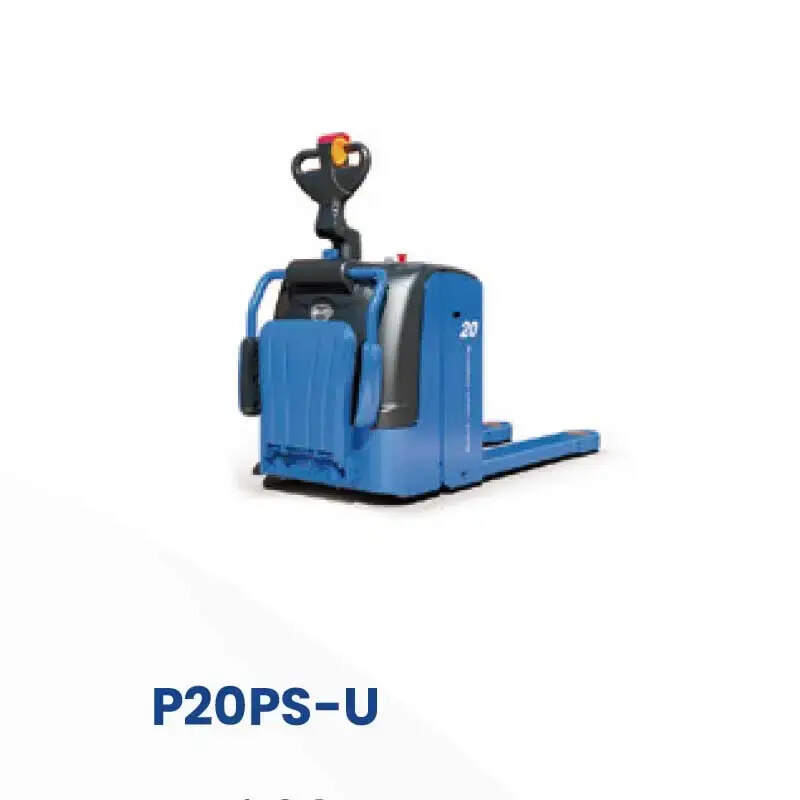
With the wide application of new energy-powered handling equipment in modern logistics, manufacturing and warehousing scenarios, electric forklifts have become one of the most common core tools for indoor and closed-site material transportation, due to their low noise, low emission and relatively low daily operation cost features. Mastering standardized operation and reasonable maintenance knowledge can help relevant practitioners reduce unnecessary equipment loss, and create more stable value for daily material handling work.
Core Pre-operation Daily Inspection Procedures
Before each shift of operation, operators need to complete a set of basic check work to eliminate hidden risks in advance. The inspection scope can cover the status of power supply components, the flexibility of lifting and steering structures, the wear condition of tires, the clarity of warning signals and the integrity of surrounding protection components. For parts with slight abnormal status, you can arrange corresponding adjustment or repair in time according to the actual usage arrangement, to avoid small problems expanding into larger faults that affect normal work progress.
Standardized Operation Habits to Reduce Equipment Wear
In the daily operation process, operators should follow the operation specifications to carry out loading, stacking and moving work, avoid overloading the equipment beyond the rated load range for a long time, and reduce frequent sudden braking and sharp steering operations under high load status. When operating on ramps or uneven sites, it is necessary to control the driving speed stably, and avoid carrying goods with extremely unbalanced center of gravity, which may cause extra pressure on the vehicle body structure.
Targeted Routine Maintenance Arrangement
Combined with the actual frequency of use of the equipment, formulate a reasonable periodic maintenance plan. The maintenance work includes cleaning the dust and sundries accumulated on the surface of the power system, checking the tightness of each connecting component, replenishing the lubricating oil for the moving structure, and carrying out standardized charging management in accordance with the battery operation requirements. Reasonable maintenance can effectively extend the stable operation period of the equipment, and reduce the frequency of unexpected shutdown during peak operation periods. Users can also adjust the usage and maintenance plan flexibly according to the specific scenario characteristics, to make the electric forklift better match the actual material handling demands.


