
 English
 Русский
 Français
 Português
 Español
 لالعربية


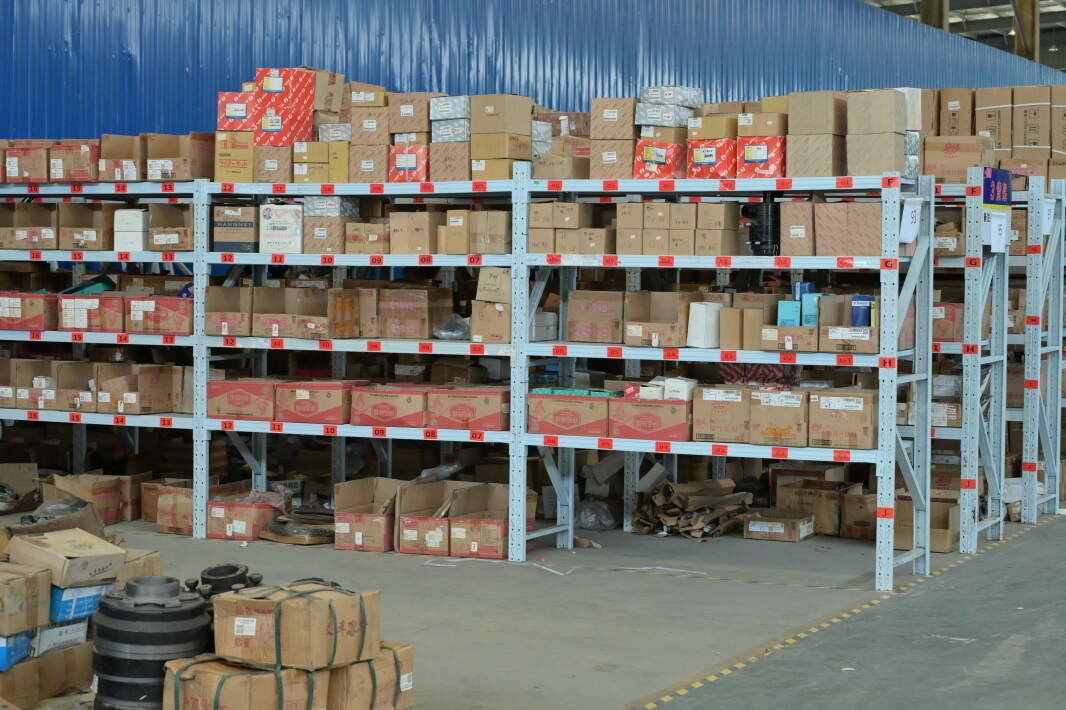
As low-carbon logistics solutions gain wider adoption across global industrial scenarios, electric forklifts have become one of the most commonly used material handling equipment for indoor and closed operation environments. Proper mastering of relevant application knowledge can help operation teams maximize the value of the equipment under different usage conditions.
Core Operation Features of Electric Forklifts
Different from internal combustion powered counterparts, electric forklifts produce no local exhaust emission during the whole operation process, which fits well for scenarios with strict air quality requirements, such as food storage warehouses, pharmaceutical distribution centers and precision electronics workshops. The average operation noise of standard models stays at a relatively lower level, which helps reduce noise interference to on-site staff and improve the working comfort of the whole operation area. The whole structure of electric forklift also has fewer wearing parts related to power transmission, which creates favorable conditions for subsequent long-term operation management.
Key Points of Routine Daily Maintenance
Teams can arrange regular inspection work according to the actual service frequency of the equipment. Before each shift, operators can check the remaining power level, tire wear condition, lubrication status of the lifting mast and response sensitivity of the braking system first to rule out hidden risks in advance. It is not recommended to wait until the power is fully exhausted before starting the charging process, and the heat dissipation vents on the fuselage should be cleaned regularly to prevent blockage from accumulated dust affecting the stable operation of core components. For equipment that needs to be idle for more than 15 consecutive days, staff can arrange periodic supplementary charging properly to avoid unnecessary attenuation of battery activity.
Practical Methods to Improve Operation Efficiency Safely
All operation personnel need to be fully familiar with the speed limit rules under different load conditions, and arrange corresponding handling tasks within the rated load range marked by the equipment. The warehouse operation team can plan reasonable passing routes in advance to reduce unnecessary repeated travel paths, and remind operators to decelerate in advance when turning in narrow aisles to avoid scratches with surrounding stacked goods or walls. Regular standardized operation skill training for the team can effectively reduce equipment wear and potential safety risks caused by misoperation. Fully matching the performance characteristics of electric forklifts with the actual scenario demands can help enterprises build a more stable, efficient and low-cost material handling system in long-term operation.


