
 English
 Русский
 Français
 Português
 Español
 لالعربية

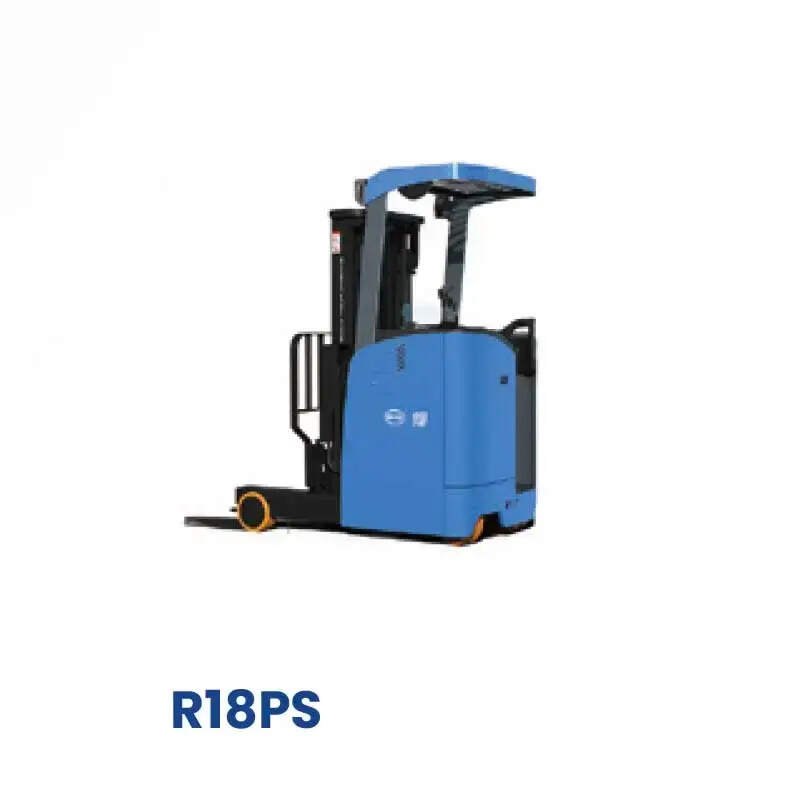
As the core supporting equipment of modern closed-site material handling, electric forklifts are widely applied in warehouse, manufacturing workshop and logistics distribution scenarios for their features of low noise, no direct exhaust emission and relatively low daily operation cost. Mastering systematic application knowledge of electric forklifts can help equipment operators and managers effectively reduce unnecessary potential risks, lower long-term comprehensive use cost and get better use experience.
Standard Daily Operation Specifications
Before formally operating the equipment, all on-site operators need to complete standardized pre-job skill training to master the basic structure and functional layout of the equipment. At the initial stage of each shift, operators need to finish the pre-inspection work, check the remaining battery power, the flexibility of the hydraulic lifting system, the sensitivity of the brake assembly and the normal operation of the warning light, and suspend the operation to arrange troubleshooting once any abnormal sign is found. In the process of driving, operators should adjust the driving speed dynamically according to the site road condition, pedestrian flow and the actual weight of loaded goods, avoid sharp turning at high speed, and never operate the equipment under overloaded status that exceeds the official specified load range. When lifting goods to high stacking positions, operators should keep a safe distance from the lifting gantry to avoid collision risks.
Routine Maintenance Points for Service Life Extension
Daily maintenance work for electric forklifts does not require overly complex professional operations, but needs long-term stable execution. As the core power component, the energy storage battery should be charged in a ventilated, temperature-suitable and dry environment, avoid long-term over-discharging that reduces the remaining power to extremely low level, and wipe the dust and sundries accumulated on the battery surface regularly. For the walking and transmission components, managers need to check the tire wear degree regularly, add appropriate amount of lubricating oil to the transmission connection parts according to the equipment use frequency, and clear the sundries wound on the wheel hub in time. Regular inspection of the circuit system is also necessary, to check the aging condition of the insulating skin on the circuit surface every month, and replace the hidden problematic parts in time.
Scenario-based Efficiency Optimization Tips
In conventional warehouse material handling scenarios, operators can formulate reasonable handling routes in advance according to the location of goods shelves and the peak period of on-site pedestrian flow, so as to reduce redundant driving distance and improve the overall operation efficiency. For goods of different shapes and packaging forms, operators can select suitable matching attachments to assist operation, instead of forcing the standard fork to complete tasks outside its applicable range. In low temperature weather in winter, it is suggested to keep the equipment in preheating operation for several minutes before formal work, so as to reduce the unnecessary loss of power components under low temperature environment.


