
 English
 Русский
 Français
 Português
 Español
 لالعربية

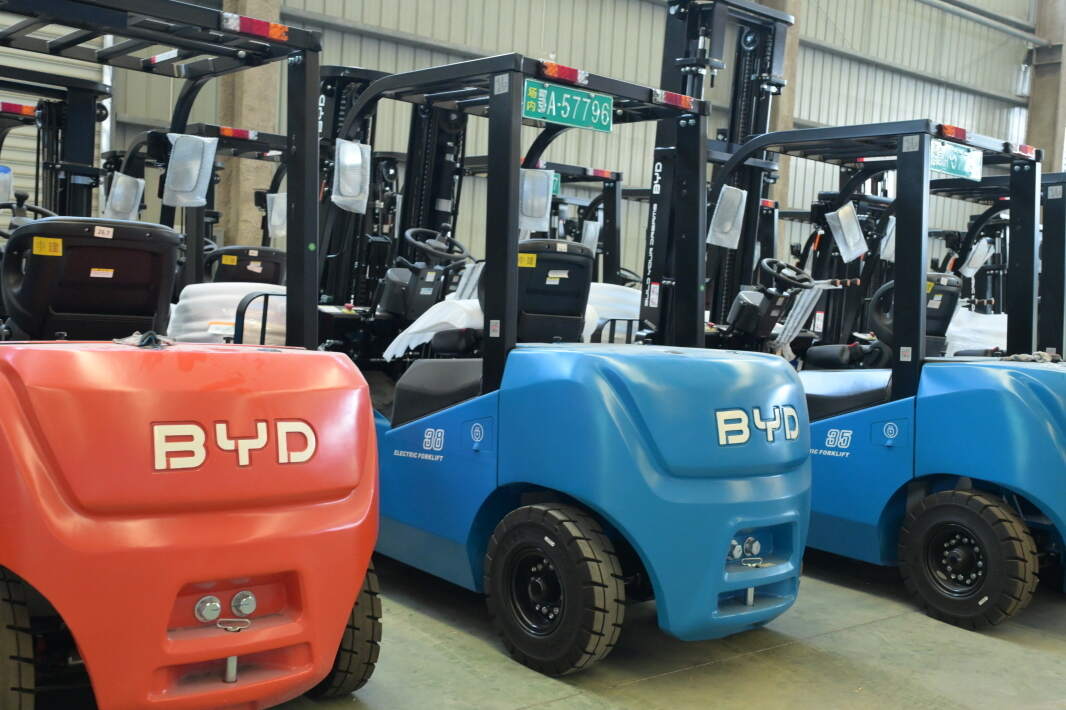
Against the background of continuously upgrading low-carbon logistics requirements across the global industry, electric forklifts have gradually become the mainstream material handling equipment for most warehousing, manufacturing and port operation scenarios. Different from traditional internal combustion powered handling tools, electric forklifts present distinct characteristics in operation logic, use scenarios and daily management, so relevant practitioners need to master professional and systematic knowledge to give full play to its use value.
Core Performance Characteristics of Electric Forklifts
Electric forklifts obtain full power support from on-board battery packs, with no exhaust emission generated during the whole operation process, which makes it fully suitable for closed indoor storage spaces, cold chain warehouses and production workshops with high air quality requirements. The overall operation noise of qualified electric forklift products is kept at a relatively low level, which will not cause continuous noise interference to surrounding working staff, and the operation vibration is also reduced to a lower range, effectively lowering the risk of fragile goods being collided and damaged during handling. The power output adjustment of electric forklift is more sensitive, which allows operators to complete steering, lifting and stopping actions more smoothly in narrow operation spaces.
Standardized Daily Maintenance Specifications
Routine maintenance work of electric forklifts focuses on the inspection and protection of core components. Operators need to check the cleanliness of battery connection terminals before each shift, avoid dust accumulation or liquid residue that causes poor contact, and check the sealing status of hydraulic pipelines to exclude hidden risks of liquid leakage. They also need to test the sensitivity of the braking system and the wear degree of walking tires regularly, and arrange professional personnel to complete the regular calibration of power transmission system and lifting system according to the specified service cycle. Operators shall avoid overcharging or full deep discharging of the battery pack in daily use, which can effectively extend the overall service life of the equipment.
Scenario Adaptation and Efficiency Optimization Tips
When configuring electric forklifts, operation teams can select products with matched parameters according to the maximum load weight, maximum lifting height and average operation channel width of the actual work scenarios. For narrow aisle storage scenarios, compact body structure configurations can be selected to improve the space utilization rate of the whole warehouse. For operation teams that need to work continuously for more than 8 hours, properly equipped spare battery packs supporting fast charging can reduce the waiting time for power replenishment. It is also feasible to optimize the daily operation route to reduce unnecessary no-load driving distance, so as to further cut down the unit energy consumption of single handling task. Following the above professional operation and management rules can help relevant teams maintain the electric forklift group in a good running state for a long time, and bring stable and reliable support for daily material handling work.


