
 English
 Русский
 Français
 Português
 Español
 لالعربية

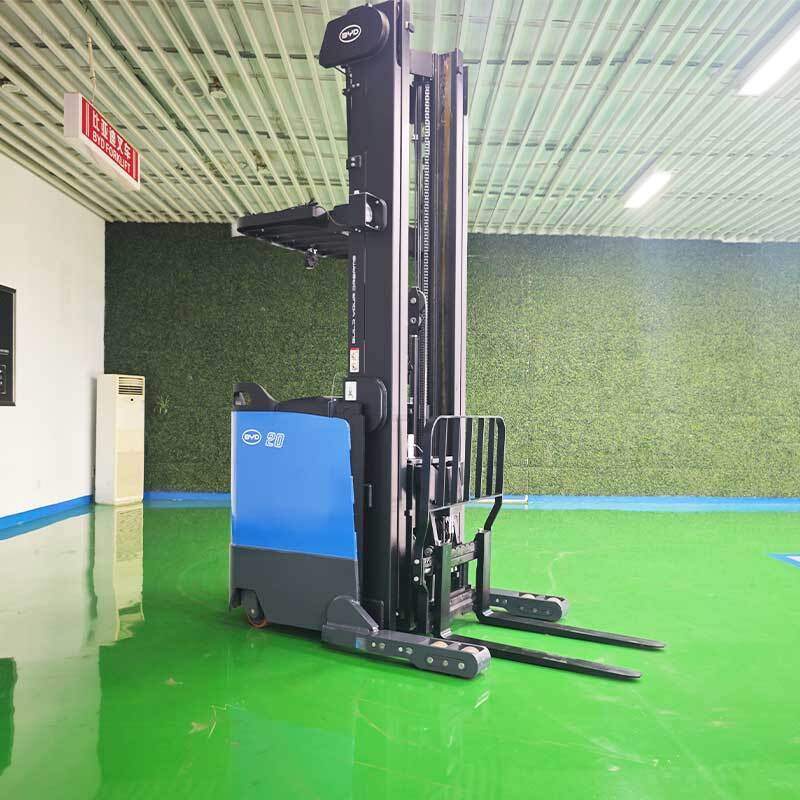
As the core equipment of modern logistics and warehouse material handling, electric forklifts have been widely applied in multiple industrial scenarios in recent years, bringing relatively lower operation noise and zero on-site emission compared with traditional internal combustion handling equipment. Mastering proper operation and maintenance rules can help enterprises make full use of the advantages of such equipment, reduce unnecessary operation loss, and create more stable value for daily handling work.
Standard Daily Operation Specifications
Before starting the electric forklift every shift, operators need to complete basic inspection work, including checking the residual power of the power system, the flexibility of the braking system, the normal state of the lifting mechanism, and whether there is obvious foreign matter blocking on the walking wheels. During the driving process, operators need to control the driving speed within the safe range formulated according to the site condition, avoid sudden acceleration or sudden braking as much as possible, and keep a safe distance with surrounding personnel, goods and site obstacles. When carrying goods, operators should avoid overloading beyond the rated load capacity of the equipment, and place the goods in the center of the forks to prevent the goods from tilting and falling during the driving or lifting process.
Routine Maintenance Measures
Carrying out regular targeted maintenance work can effectively extend the service life of electric forklifts, and reduce the probability of sudden equipment failure in daily work. For the power system, users need to arrange professional personnel to clean the dust and sundries on the surface of the core components regularly, check the tightness of the connecting wire harness, and follow the official guidance to complete the charging work at the specified ambient temperature, avoid over-discharging the power unit for a long time. For the hydraulic system, operators need to regularly check the liquid level of the hydraulic oil, replace the aging sealing parts according to the use loss, to prevent the phenomenon of oil leakage that affects the normal use of the lifting function. Daily cleaning of the body surface after each shift can also avoid the long-term corrosion of the equipment caused by the residual sundries such as dust and industrial sewage.
Energy Efficiency Optimization Tips
Reasonable operation habits can effectively improve the energy utilization efficiency of electric forklifts, reduce the total power consumption in unit working hours, and extend the continuous working time of a single charge. Planning the handling route in advance before starting work can reduce unnecessary repeated driving and idle operation, and reasonably arrange the stacking sequence of goods to reduce the frequent adjustment of the lifting height. When the equipment is not in use for a short time, operators can turn off the non-necessary power consumption components such as the lighting system according to the actual situation, to reduce the ineffective loss of electric energy. After the daily work is completed, operators need to park the equipment in the specified ventilation and dry position, and connect the charging equipment in time to keep the power unit in good operation condition.


