
 English
 Русский
 Français
 Português
 Español
 لالعربية


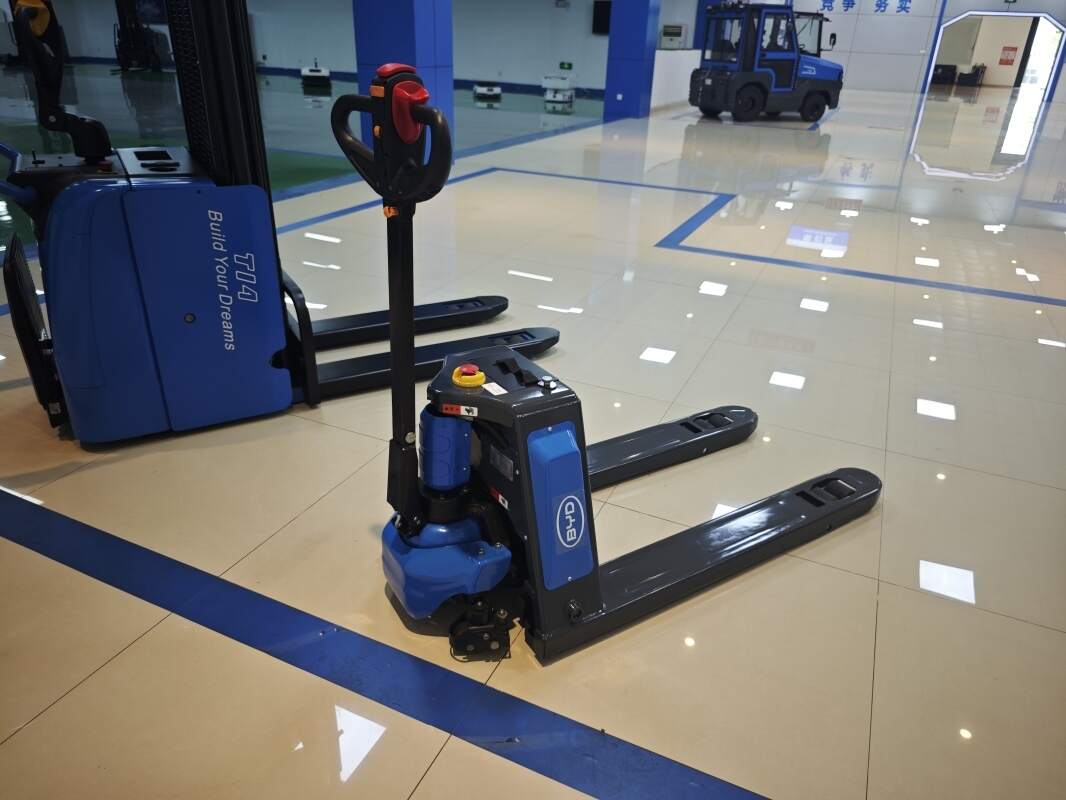
Electric forklifts have become a core piece of equipment for modern warehouse and logistics scenarios, with advantages in low noise, zero local emissions and relatively low long-term operating costs. Mastering correct usage and maintenance rules can help operation teams maximize the value of the equipment while avoiding unnecessary operational risks.
Core Pre-operation Safety Checks
Before starting any shift, operators need to complete a series of basic inspection steps to eliminate hidden risks in advance. These steps include checking the remaining power level of the power unit, confirming that all brake systems respond sensitively, inspecting the tire surface for obvious damage or embedded debris, and verifying that the lifting fork structure does not have visible deformation or cracks. Operators also need to test the normal operation of all light and warning horn devices before formal material handling tasks, and report any abnormal conditions to the management team instead of operating the equipment with faults.
Standard Operation Protocols for Daily Scenarios
In the actual handling process, operators should keep the load center within the allowable range specified by the equipment parameter, avoid overloading operation to prevent rollover or cargo falling risks. When driving along the aisle of the warehouse, operators need to keep a proper safe distance from surrounding personnel, shelves and other facilities, and adjust the driving speed according to the on-site traffic and ground conditions. When carrying goods at high positions, operators should keep the lifting height of the fork as low as possible to maintain the stability of the vehicle body, and avoid sharp turning actions during high-speed driving.
Routine Maintenance to Extend Equipment Lifespan
For daily after-shift maintenance, teams should wipe the surface of the equipment to remove accumulated dust and cargo residues, check the connection status of the power unit interface to avoid poor contact caused by dust, and park the vehicle in the designated area with the fork lowered to the lowest safe position. Regular professional maintenance work can check the wear degree of moving parts such as motors and bearings, replenish lubricating oil in time, and carry out standardized charging operations according to the requirements of the power unit, which can effectively reduce the probability of sudden equipment failure.
Usage Optimization for Higher Warehouse Efficiency
Enterprises can arrange the use plan of electric forklifts according to the peak and trough of logistics tasks, avoid long-term continuous high-load operation, and reasonably distribute the use frequency of different equipment to balance their wear degree. Combined with the actual layout of the warehouse, adjusting the picking and handling route can reduce the no-load driving time of the equipment, further improve the overall operation efficiency of the material handling link.


