
 English
 Русский
 Français
 Português
 Español
 لالعربية

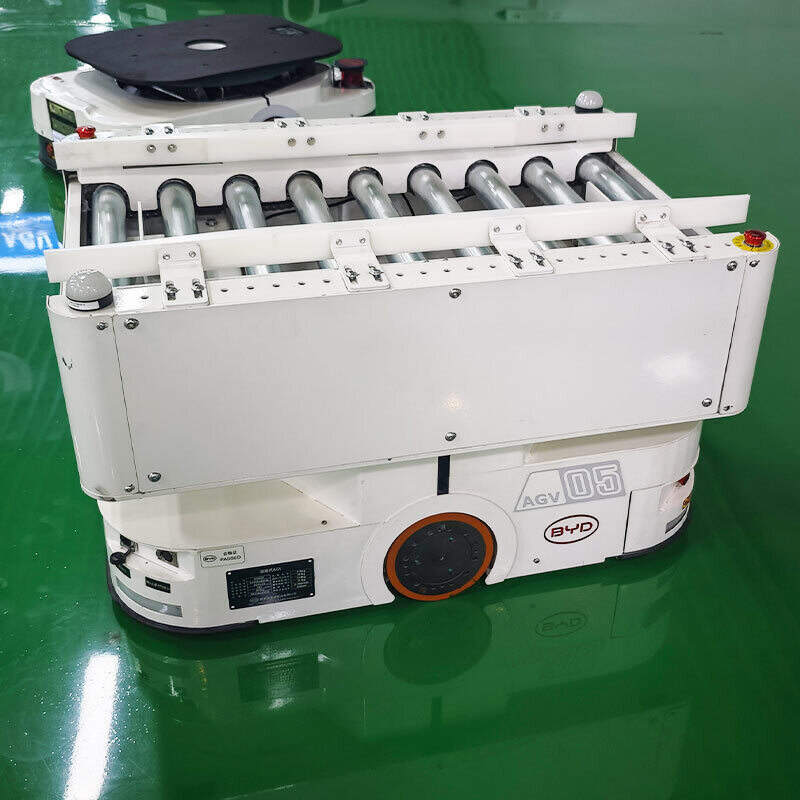
Against the background of continuous upgrading of modern industrial logistics systems, electric forklifts have become one of the most widely used material handling equipment in closed operation scenarios such as warehouses, manufacturing workshops and distribution centers. Many operation teams need systematic practical guidance to give full play to the value of such equipment.
Core Application Values of Electric Forklifts
Unlike traditional internal combustion handling equipment, electric forklifts produce no exhaust emissions during the working process, which will not cause potential pollution to sensitive stored goods such as electronic components, food and pharmaceutical products. The low operating noise level also helps maintain a comfortable working environment for on-site staff, and meets the environmental protection management requirements of most enclosed industrial sites. In terms of operating cost, the energy consumption input of electric forklifts per unit working hour is relatively lower than that of fuel-powered equipment, which helps reduce the daily operating expenditure of the operation team in long-term use scenarios.
Daily Maintenance Specifications for Electric Forklifts
Standardized daily inspection and maintenance work can effectively extend the stable service life of electric forklifts. Before each shift, operators need to check the remaining battery level, the sensitivity of the braking system, the sealing performance of the hydraulic lifting parts and the flexibility of the steering structure, and arrange professional personnel to clean the dust and sundries accumulated at the heat dissipation ports of the body regularly to avoid foreign matter affecting the normal operation of the internal circuit. When the equipment is not in use, it should be parked in the designated charging area for standardized charging, and avoid long-term over-discharge of the battery pack, so as to reduce unnecessary component wear.
Practical Skills to Improve Operation Efficiency
After receiving standardized operation training, staff can adjust the driving and lifting speed reasonably according to the actual load weight and site road conditions, and cooperate with the pre-planned operation route of the warehouse to reduce unnecessary empty driving distance. Combined with the scheduling logic of the site material management system, the equipment utilization rate can be further improved, to better adapt to the material handling needs of different scenarios from small distribution warehouses to large manufacturing production workshops, and support the stable operation of the whole logistics link.


