
 English
 Русский
 Français
 Português
 Español
 لالعربية


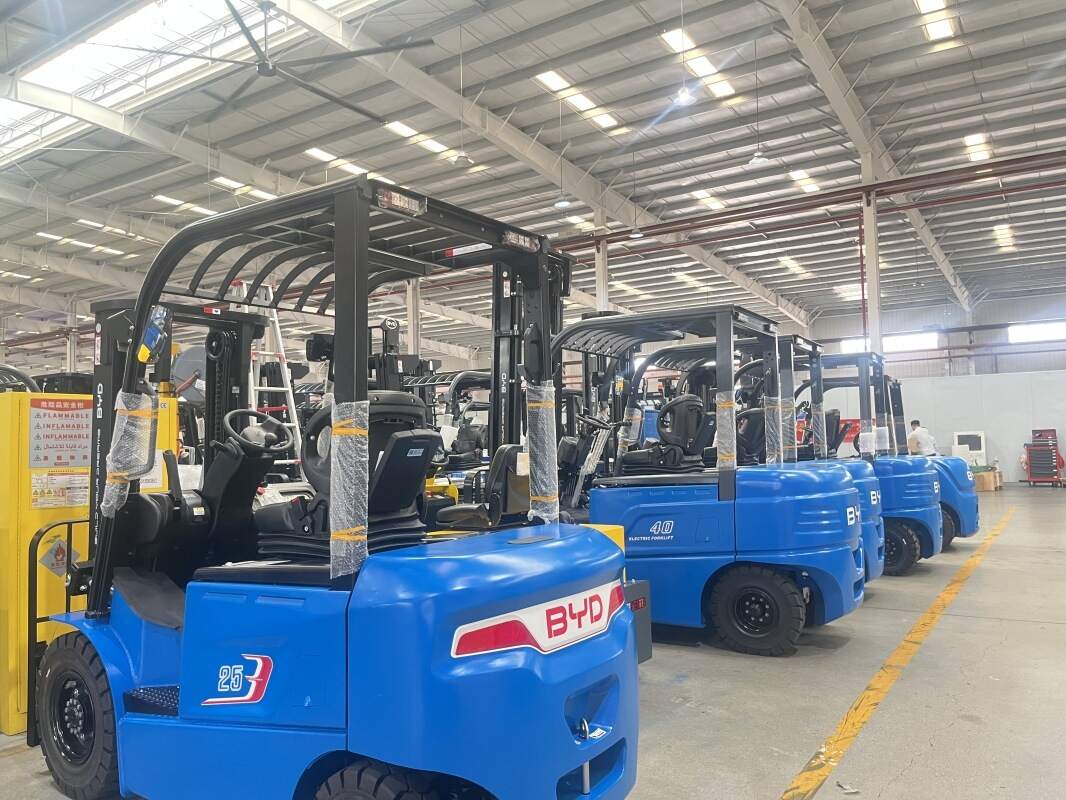
Electric forklifts have become one of the most widely applied material handling tools in modern warehouse, manufacturing and logistics scenarios, thanks to their low noise, zero local emission and relatively low long-term operating cost compared with internal combustion counterparts. Many operators and warehouse managers still lack systematic, practical guidance to maximize the value of these equipment while keeping daily operations compliant and safe.
Core Pre-operation Inspection Protocols
Before each shift of operation, operators need to complete a set of standardized checks without skipping any key steps. The first step is to inspect the exterior structure of the vehicle, looking for any visible deformation, crack or abnormal wear on the fork arms, guard frame and load backrest. Then check the tire pressure and wear condition, make sure no embedded hard debris is stuck on the tire surface that may cause slipping during moving. After that, test the operation of all control systems, including the lifting lever, steering wheel, brake system and warning light, to confirm all parts respond smoothly as designed. The last step of pre-shift check is to verify the remaining power level of the battery, confirm the connection ports are well plugged without loose contact or liquid leakage.
Daily Routine Maintenance Suggestions
Regular proper maintenance can effectively reduce unexpected failure rate, and extend the overall service cycle of the equipment. Operators should wipe the dust and sundries on the vehicle surface and battery compartment every time after finishing work of the shift, avoid accumulated conductive dust causing unnecessary short circuit risk. When charging the battery, follow the official recommended charging parameters and environment requirements, do not interrupt the charging process frequently when the battery is not fully filled, and keep the charging area well ventilated to avoid potential safety hazard. It is also suggested to arrange professional technicians to conduct comprehensive in-depth inspection every certain period of use, check the wear degree of internal transmission parts and electrical circuit aging status, replace the worn parts in time to avoid sudden breakdown during peak operation hours.
Optimized Operation Skills for Better Performance
Standardized operation habits not only reduce the risk of safety accidents, but also improve the overall working efficiency of the whole material handling process. Operators should adjust the fork distance reasonably according to the size of the goods to be handled, make sure the weight is evenly distributed on two fork arms to avoid unbalanced load causing goods falling. When moving with loaded goods, keep the goods 10 to 15 centimeters above the ground, do not lift the goods to a high position when the vehicle is moving at a relatively fast speed, which will reduce the stability of the whole vehicle. When driving in narrow warehouse aisles, slow down properly and pay attention to the surrounding passing personnel and stacked goods, avoid sharp turning that may cause side scraping or tipping risk. These simple but practical rules can help users give full play to the advantages of electric forklifts, build a safer and smoother internal logistics working environment.


