
 English
 Русский
 Français
 Português
 Español
 لالعربية


Sobredescarga, the widely used term referring to battery over-discharge in new energy industrial equipment operation scenarios, describes the status that a battery is discharged below the manufacturer recommended minimum voltage threshold during use or idle period, which is a common issue that many electric forklift operators may encounter in daily warehouse and logistics operations.
To understand sobredescarga better, operators need to recognize common trigger scenarios in actual work. The most frequent situations include that operators forget to cut off the equipment power and turn off the load system after the shift, leaving the forklift in idle power consumption status for a long time; the forklift is arranged for consecutive high-intensity heavy load operations beyond the designed continuous duration without reasonable scheduling, leading the battery to be fully drained before returning to the charging zone; when the equipment is left unused for weeks without regular power check, the self-consumption of internal electronic components gradually pulls down the battery voltage to the safety limit below.
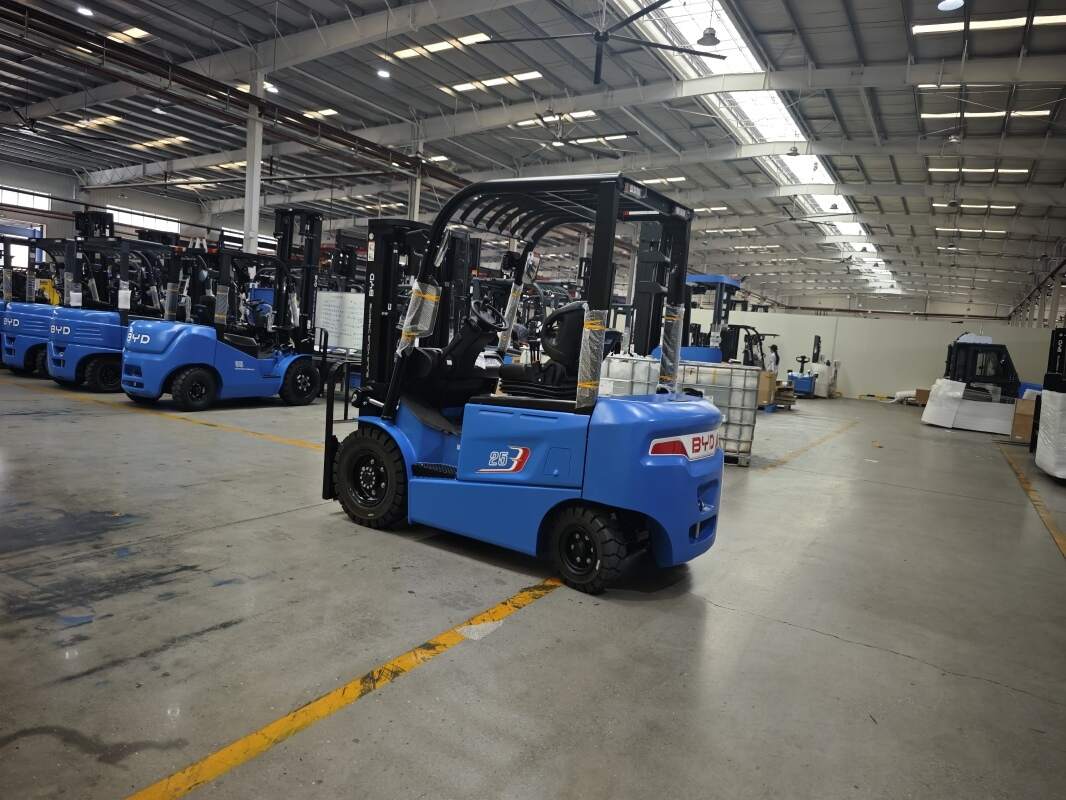
Mild or repeated sobredescarga will bring tangible negative effects to the electric forklift battery system. It will reduce the actual usable capacity of the battery, shorten the full cycle service life, lower the subsequent charging efficiency, and bring extra unnecessary maintenance cost for the operation team. There is no need for excessive panic about this issue, as systematic standardized operation steps can help operators avoid most sobredescarga risks easily.
The first practical step is to build a regular pre-shift and post-shift inspection routine. Every operator needs to check the battery remaining power indicator after finishing daily work, and return the forklift to the charging area for supplementary charging once the remaining power drops to 20% or below, instead of forcing the equipment to continue working. The second step is to arrange reasonable operation scheduling according to actual working conditions, match the daily task volume with the actual endurance performance of the forklift, and avoid overloading the equipment for long time continuous operation. The third step is to make a regular power top-up plan for idle electric forklifts, check the remaining power every 7 to 14 days for equipment that is not in use for a long time, and keep the battery power in a reasonable safe range. The fourth step is to organize regular standardized training for all operation teams, popularize the basic knowledge of sobredescarga prevention, and reduce the operation errors caused by unskilled operation.
Jianshu New Energy, as a professional service provider that focuses on BYD electric forklifts, provides full-cycle operation and maintenance guidance for all users to help extend the service life of the equipment and reduce the overall operation cost. If you have any questions about electric forklift battery management and operation specifications, you are welcome to contact us via email at [email protected].
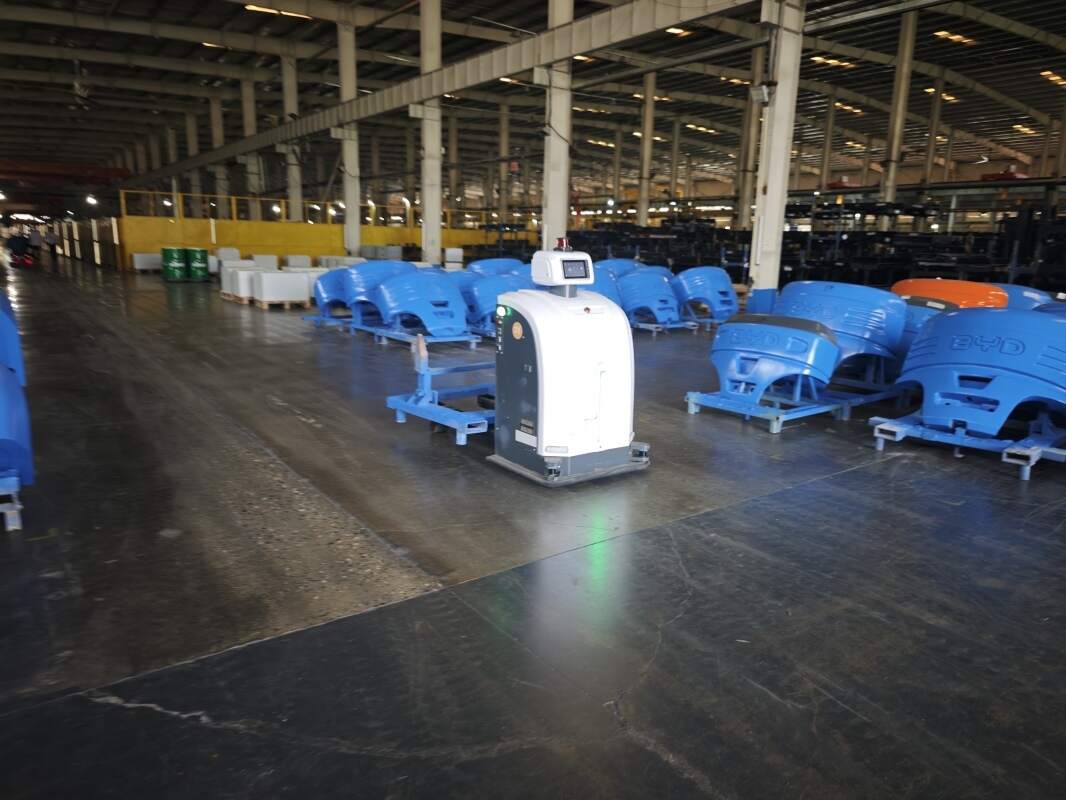
With long-term adherence to standardized operation and daily maintenance, the operation team can effectively avoid most sobredescarga related risks, keep the electric forklift running stably for a long time, and improve the overall operation efficiency of the warehouse and logistics scenarios.


