
 English
 Русский
 Français
 Português
 Español
 لالعربية

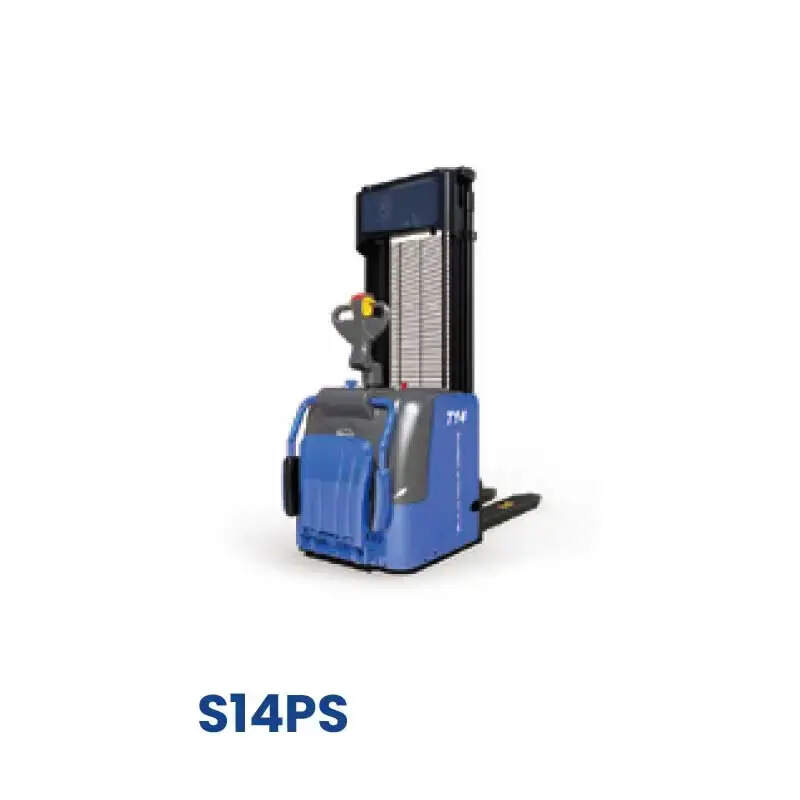
As the penetration rate of new energy logistics equipment continues to rise, electric forklifts have become one of the most widely applied material handling tools in modern warehousing, manufacturing and distribution scenarios. Many frontline operators and logistics managers still lack systematic understanding of the correct usage and management logic of such equipment, which easily leads to unnecessary consumption of operating costs.
Key Reference Points for Electric Forklift Selection
When choosing a suitable electric forklift, the first factor to confirm is the maximum load weight and maximum lifting height of daily handling tasks, which directly determines the basic parameter configuration of the equipment. Next, operators need to measure the actual width of the working channel and the bearing capacity of the working ground to avoid the situation that the equipment cannot pass through the narrow channel or the chassis is worn prematurely due to uneven ground. The continuous working time required per shift also needs to be counted in advance, to select the matching battery capacity configuration that can cover the peak operation period without frequent interruption. Operators can also combine the average daily operation frequency to reserve a reasonable performance margin for long-term subsequent use.
Daily Maintenance Guidelines for Electric Forklifts
Standardized daily maintenance operations can effectively reduce the failure rate of electric forklifts in the working process. Before each shift, operators need to check the residual power of the battery, the wear degree of the driving wheels, the sensitivity of the braking system and the telescopic flexibility of the hydraulic lifting components. After the daily operation is completed, the sundries accumulated at the heat dissipation outlet of the equipment need to be cleaned in time, the battery shall be charged according to the specified operation steps, and the long-term over-discharge state of the battery pack shall be avoided. Regular professional inspection of the internal circuit system and motor operating state can also eliminate potential safety hazards in the early stage, and extend the overall service life of the equipment to a certain extent.
Operation Scenario Adaptation Suggestions
Different working scenarios have different personalized requirements for the use of electric forklifts. For cold chain storage scenarios with long-term low temperature environment, staff can add corresponding thermal insulation protection devices for the battery pack to reduce the attenuation rate of battery performance. For high-dust operation scenarios such as bulk material warehouses, the dust-proof treatment of the equipment air inlet can be properly strengthened to prevent fine particles from entering the internal circuit and affecting the normal operation. For narrow aisle high-level storage scenarios, operators can adjust the equipment’s speed limit parameters within a reasonable range according to the on-site safety management regulations, to ensure the stability of high-position cargo handling. Mastering the above practical operation and management skills can give full play to the performance advantages of electric forklifts, bring stable and efficient support for the daily material handling work of enterprises.


