
 English
 Русский
 Français
 Português
 Español
 لالعربية

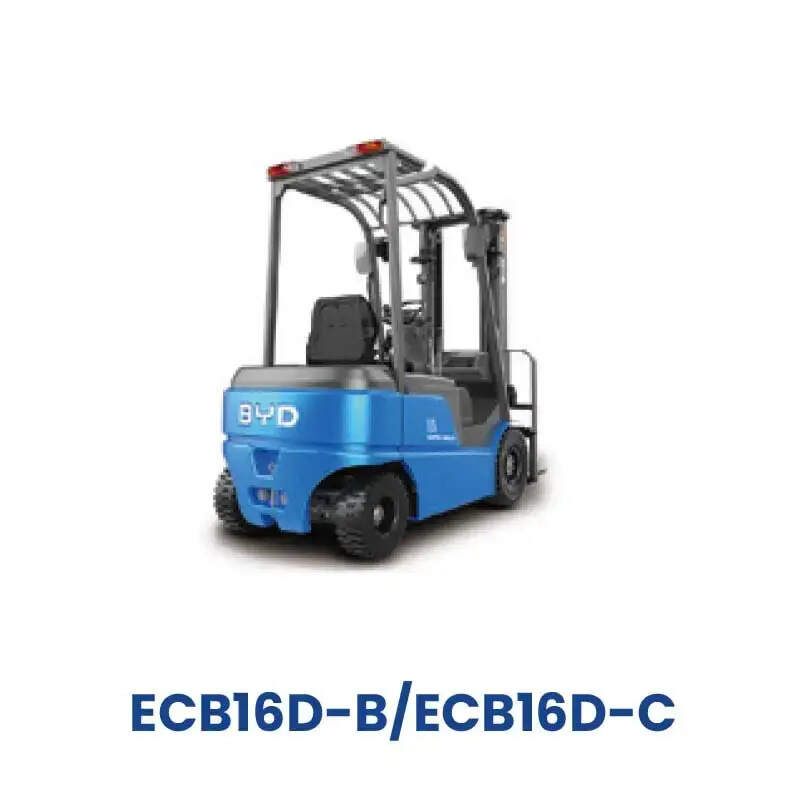
Modern warehousing operations often adopt compressed aisle design to maximize storage capacity, but narrow working space will bring higher collision risks when multiple electric forklifts run at the same time. Formulating and implementing standardized multi-forklift operation spacing rules is a core measure to balance operation efficiency and on-site safety, and all logistics on-site teams can promote relevant implementation based on actual site conditions.
The first core rule is to clarify the basic static spacing requirements for different driving scenarios. For forklifts traveling in the same direction in the narrow aisle, the minimum visible spacing between two adjacent vehicles should not be less than 3 meters, to avoid rear-end collision risks caused by sudden braking of the front vehicle when encountering obstacles. For two forklifts traveling in opposite directions, staff should pre-set dedicated safe avoidance zones at intervals on both sides of the aisle, and two vehicles should enter the avoidance zones on their own side to pass each other, keeping a safe spacing of no less than 1.5 meters, and wrong crossing in the middle non-buffering section of the narrow aisle is strictly prohibited.
The second part specifies the dynamic spacing adjustment principles under special operation scenarios. When one forklift is staying at the picking position to complete the pallet loading and unloading operation, the other forklift waiting to pass behind should keep a spacing of no less than 2 meters from the operating vehicle, and shall not urge the operating staff to speed up the action by honking or other ways. If non-motorized handling equipment or on-site passing personnel appear in the narrow aisle temporarily, all running electric forklifts should stop in place, keep a spacing of no less than 2.5 meters from the moving personnel or obstacles, and restart the operation after the aisle is completely unobstructed.
In order to ensure the effective implementation of the above spacing rules, the on-site management team can also lay out visual reminder marking lines on the ground of the narrow aisle, and arrange regular safety operation training for all forklift operators. It is not allowed to compress the reserved safe spacing for catching up with the operation schedule. Compliance with relevant rules can effectively reduce the probability of on-site safety accidents, and create a stable and efficient working environment for all warehouse staff.


