
 English
 Русский
 Français
 Português
 Español
 لالعربية

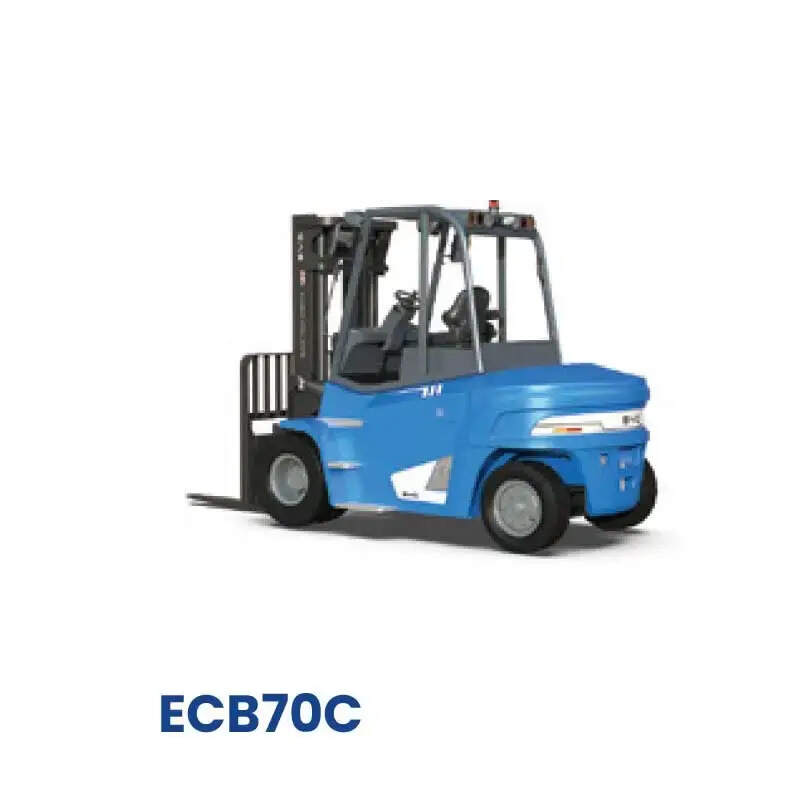
Against the background of rising low-carbon operation requirements and continuous fluctuations of fossil energy cost, a growing number of retail distribution centres are planning to build full electric material handling fleets to replace traditional internal combustion handling equipment, so as to reduce long-term operation expenditure and meet the emission control rules of surrounding industrial zones. A scientific and systematic procurement process can avoid unnecessary redundant investment, and help the new fleet match all actual operation scenarios of the distribution centre to the largest extent.
Before launching formal procurement work, the operation team needs to complete a full demand assessment for all existing operation links first. It is necessary to sort out the full list of daily handling scenarios, including low-level order picking, high-level shelf stacking, cross-zone goods transferring and loading and unloading at docks, record the daily peak operation duration, average load weight, reserved channel width and maximum shelf height of each scenario, and make statistics on the annual average oil consumption, maintenance labor hours and fault downtime of the existing internal combustion fleet as a baseline reference for subsequent effect comparison. The team also needs to check the existing power supply capacity of the distribution centre, and count the available spare space that can be transformed into dedicated charging zones, to avoid the problem that the supporting infrastructure can not match new equipment after the fleet is delivered.
In the equipment selection and parameter confirmation stage, the team should avoid excessive pursuit of unnecessary high configuration, and select corresponding equipment specifications according to actual scenario demands. For scattered picking scenarios with daily operation duration less than 4 hours, models with medium battery capacity can meet daily use demands, and will not cause idle performance waste. For high-throughput peak scenarios that support continuous operation for more than 8 hours per day, equipment with fast charging or quick battery swap design can be selected to reduce the waiting time for power supplement. The turning radius, lifting height and rated load of selected equipment should fully adapt to the existing site conditions, so as to avoid extra reconstruction cost of adjusting shelves or expanding channels later.
When calculating the investment budget, the team shall not only calculate the initial purchase cost of the equipment, but also complete the full life cycle cost accounting covering 5 to 8 years of normal use. The expenditure of electricity charge, regular maintenance of wearing parts, battery attenuation replacement and charging facility transformation shall be taken into the overall budget, and the reasonable investment return period can be obtained by comparing with the operation cost of the original internal combustion fleet. It is also suggested to confirm the supporting services in the procurement process, including local on-site maintenance response, operation personnel skill training, and reserved data interface for subsequent intelligent fleet management system, to lay a foundation for the later refined operation of the electric fleet. For distribution centres that have no experience in operating electric material handling equipment, it is a reliable practice to arrange small-scale pilot operation of 3 to 5 units first, verify the actual adaptation effect in real operation scenarios, and then gradually complete the full fleet iteration, to realize stable low-carbon and high-efficiency operation.


