
 English
 Русский
 Français
 Português
 Español
 لالعربية

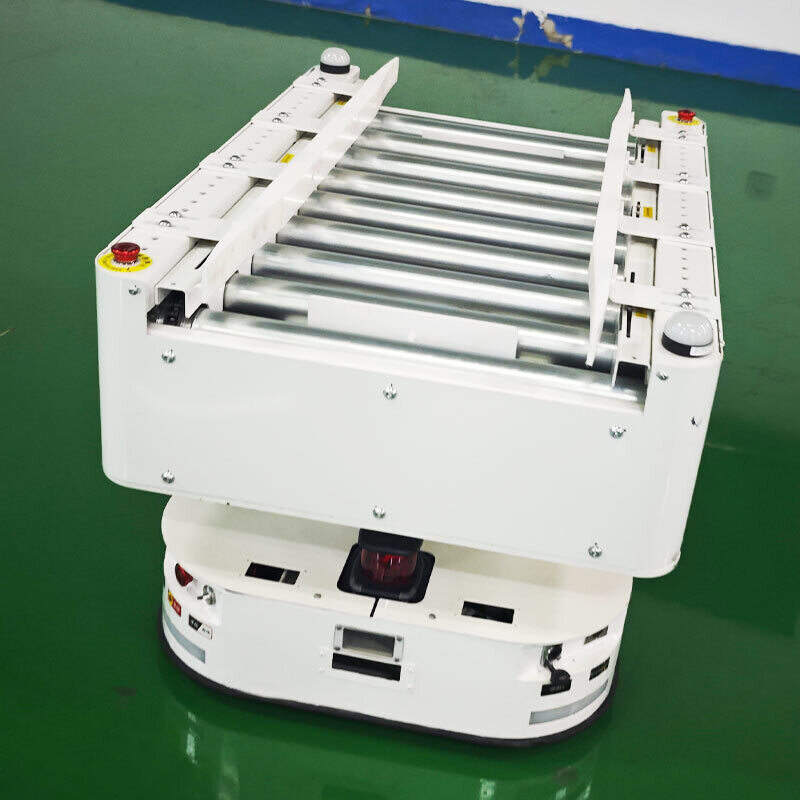
When arranging cross-border transportation of forklift equipment, sorting out the details of insurance-related clauses is a core non-negligible link, as this type of industrial heavy cargo has special structural attributes and power components, which may face multiple uncertain risks in the whole process from domestic factory pickup to destination warehouse delivery, including bump damage in the loading and unloading process, moisture erosion during sea transportation, and accidental loss caused by detention during customs inspection. Clarifying the relevant content of insurance clauses in advance can effectively avoid unnecessary economic losses for both suppliers and buyers.
First, verify the full coverage scope agreed in the insurance clauses. Do not choose the insurance product with the lowest premium by default. You need to confirm clearly whether the agreed coverage covers the whole transportation link, instead of only covering the main sea or air transportation segment. It is also necessary to confirm that the clause explicitly includes the protection of vulnerable parts such as the power assembly of the forklift equipment, so as to avoid the situation that partial damage cannot be compensated after the accident occurs.
Second, confirm the calculation standard of the insured amount. The total insured amount shall be declared according to the sum of the actual value of the forklift equipment, the full freight of the international transportation and the miscellaneous expenses of destination port customs clearance. Do not underreport the actual value of the goods to reduce the premium cost. Once the total loss of the equipment occurs in the transportation process, the insurance party will only compensate according to the proportion between the declared insured amount and the actual total value of the goods, which will bring extra cost losses to the cargo owner.
Third, check all exemption clauses in the document in advance. Carefully sort out all the exemption situations listed in the clause, confirm whether the contents such as cargo damage caused by improper packaging and equipment damage caused by non-standard operation at the destination are excluded from the scope of compensation. Before shipment, adjust the packaging scheme of the forklift equipment to meet the international maritime transportation standards, and submit the qualified packaging certificate to the insurance party for filing, so as to remove the unreasonable exemption agreement that does not conform to the actual operation norms.
Fourth, clarify the relevant provisions of claim settlement after the accident. Confirm the specified time limit for reporting the accident after the cargo damage occurs, and the list of documents required for the whole claim process. Before the shipment of the forklift, keep the complete appearance inspection photos of the equipment, the valid voucher of the goods value, and the full chain logistics document of the transportation, so as to avoid the delay of the claim process due to incomplete materials. The full check of insurance clauses can effectively reduce the potential risk of international forklift equipment transportation, and protect the legitimate rights and interests of all parties involved in the transaction.


