
 English
 Русский
 Français
 Português
 Español
 لالعربية

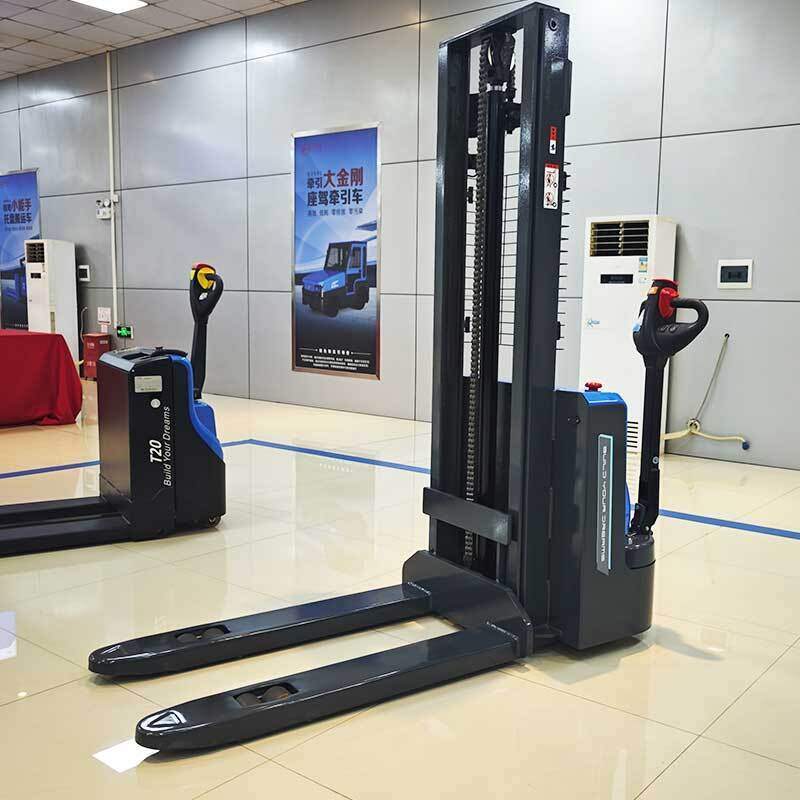
With the wider application of electric forklifts powered by lithium batteries in industrial storage and logistics scenarios, the standardized construction of supporting charging stations has become a core part of daily site safety management. Unlike traditional lead-acid batteries, lithium batteries have different thermal reaction characteristics during the charging process, so relevant personnel need to follow targeted fire-safety rules from the installation stage to avoid potential hidden risks.
First, make reasonable planning for site selection and spatial layout. The charging station should be set up in a dedicated independent area far from flammable and combustible stacked goods, oil storage points and other high-risk fire areas. The pavement of the whole area should be made of non-combustible hard materials, and no sundries that are easy to burn should be piled up within the operation range of charging piles. A safety passage with a width of no less than 1 meter should be reserved around each charging position, which can not only ensure the smooth entry and exit of forklifts, but also facilitate the rapid escape of personnel in case of emergency. The position of the charging station shall not block the designated fire exit and emergency evacuation passage of the whole plant area.
Second, set up reasonable ventilation and thermal management facilities. During the normal charging process of lithium batteries, a small amount of volatile gas may be released, and abnormal faults may also produce a large amount of heat accumulation in a short time. The installation party shall configure a matching mechanical ventilation or natural ventilation system for the charging area to keep the air circulation in the whole space unobstructed, and it is not recommended to set up a closed charging station in an underground space without any ventilation conditions. The ambient temperature of the charging area should be kept within the range recommended by the equipment manufacturer, and direct long-term sunlight on the battery and charging equipment should be avoided to prevent abnormal temperature rise.
Third, deploy standardized fire protection infrastructure. The lithium forklift charging area can be separated from other daily operation areas by partitions with a fire resistance rating of no less than 2 hours to prevent the spread of fire to other areas in case of abnormal conditions. The site shall be equipped with fire alarm devices that can detect temperature and smoke signals in real time, and the alarm signals can be transmitted to the on-site duty room synchronously to remind relevant personnel to deal with abnormal conditions at the first time. Equip the area with fire extinguishing facilities suitable for lithium battery fire scenarios, and do not use unspecified fire fighting supplies that cannot effectively control lithium battery related hazards.
Finally, improve the post-installation safety management mechanism. Mark obvious safety warning signs around the charging station to restrict non-working personnel from approaching or touching the charging equipment without permission. Organize relevant operation and maintenance personnel to receive regular fire safety operation training, and formulate a targeted fire emergency response plan for the charging area. Carry out no less than one routine safety inspection of lines, interfaces, charging equipment and fire protection facilities every month, and timely eliminate common hidden dangers such as line aging and loose wiring joints.
By implementing the above fire-safety points in an all-round way, industrial sites can give full play to the operation advantages of lithium forklifts, and effectively reduce the fire risk in the charging process, so as to realize stable and compliant daily operation.


