
 English
 Русский
 Français
 Português
 Español
 لالعربية

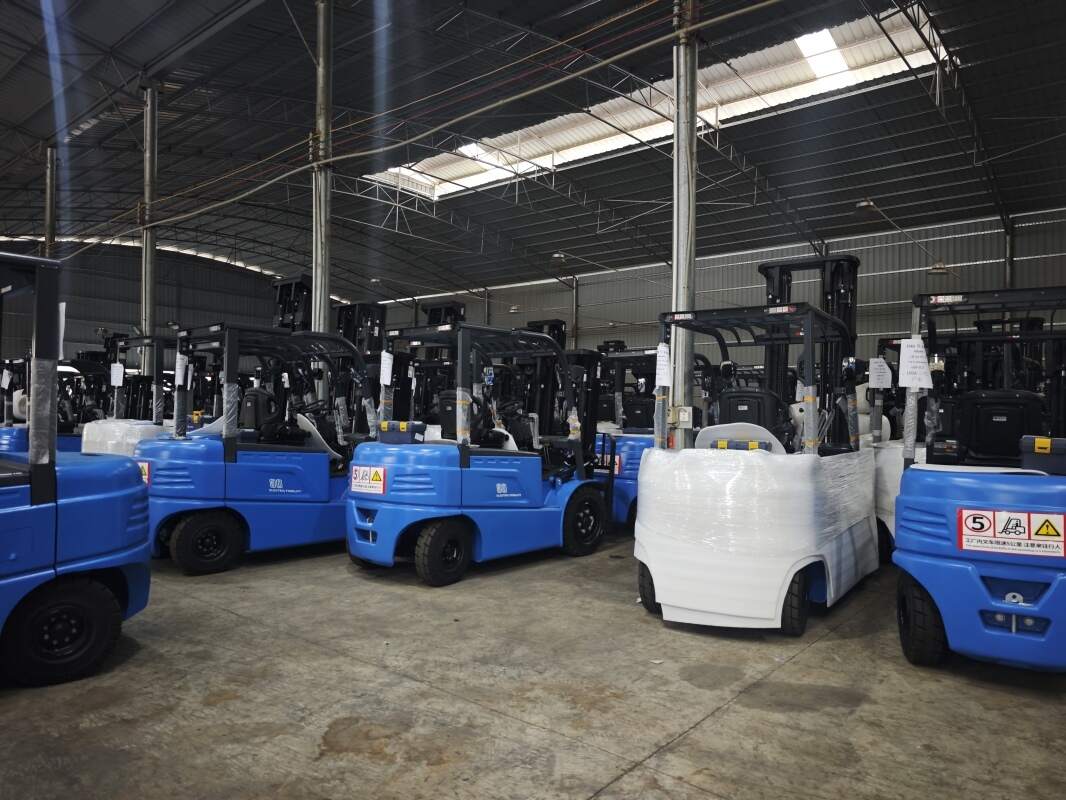
Against the background of continuously rising warehouse land and space cost, more and more storage operators start to transform traditional wide-aisle storage areas into narrow-aisle layout to maximize the usage of limited space. When selecting material handling equipment for this scenario, many purchasers easily get confused between electric reach truck and electric counterbalance truck with same rated tonnage, and may make improper selection that leads to waste of space or insufficient operation performance.
First of all, the core structural difference of two same-tonnage models lays in their load balance design. The electric reach truck adopts movable extendable mast, its counterweight is fully limited within the outline of the vehicle body, no extra protruding part for counterweight outside the main frame. For the electric counterbalance truck with same tonnage, the counterweight part extends obviously out of the rear of vehicle body to offset the load torque from the front fork. Such structural difference directly leads to distinct turning radius and required operation channel width. Under the same tonnage level, the electric reach truck can normally run stably in the channel with width from 2.5 meters to 3 meters, while the electric counterbalance truck of same tonnage needs a minimum channel width between 3.2 meters and 3.8 meters to finish safe steering and stacking operation.
In terms of lifting performance for narrow aisle high rack work, two same-tonnage models also show different features. The electric reach truck can support maximum lifting height over 12 meters steadily, which is very suitable for the high rack storage scenario. The same tonnage electric counterbalance truck has relatively limited maximum lifting height, most products of this type can only reach 6 to 7 meters at the highest, as the extended rear counterweight will bring larger overturning risk when the fork rise to an extremely high position.
When it comes to scenario adaptability, you can make reasonable selection according to your actual operation demands. If your warehouse only has narrow aisle layout, focuses on high-position stacking and order picking work within the shelves, the same tonnage electric reach truck can bring better space utilization effect. If your operation area covers both indoor narrow aisle shelves and partial outdoor flat ground, or you need to finish frequent long-distance material transportation across different warehouse zones, the same tonnage electric counterbalance truck with higher ground clearance and better low-speed walking stability will show stronger adaptability.
For daily operation and maintenance, two same tonnage electric forklifts have close power consumption level. The electric reach truck needs regular lubrication and inspection on the sliding structure of the extendable mast, while the electric counterbalance truck has simpler overall structure, the daily maintenance work is easier to carry out. Before making final purchase decision, you can combine your actual channel size, maximum lifting demand and operation flow to choose the most proper model, to get balanced performance on operation efficiency and long-term running cost.


