English
 Русский
 Français
 Português
 Español
 لالعربية


Warehouse forklift battery acts as the core power source that directly decides the operating efficiency of material handling workflows across all kinds of storage scenarios. Proper cognition, operation and maintenance of such batteries can effectively extend their service life, reduce overall operation cost, and avoid unnecessary safety risks during daily warehouse shifts.
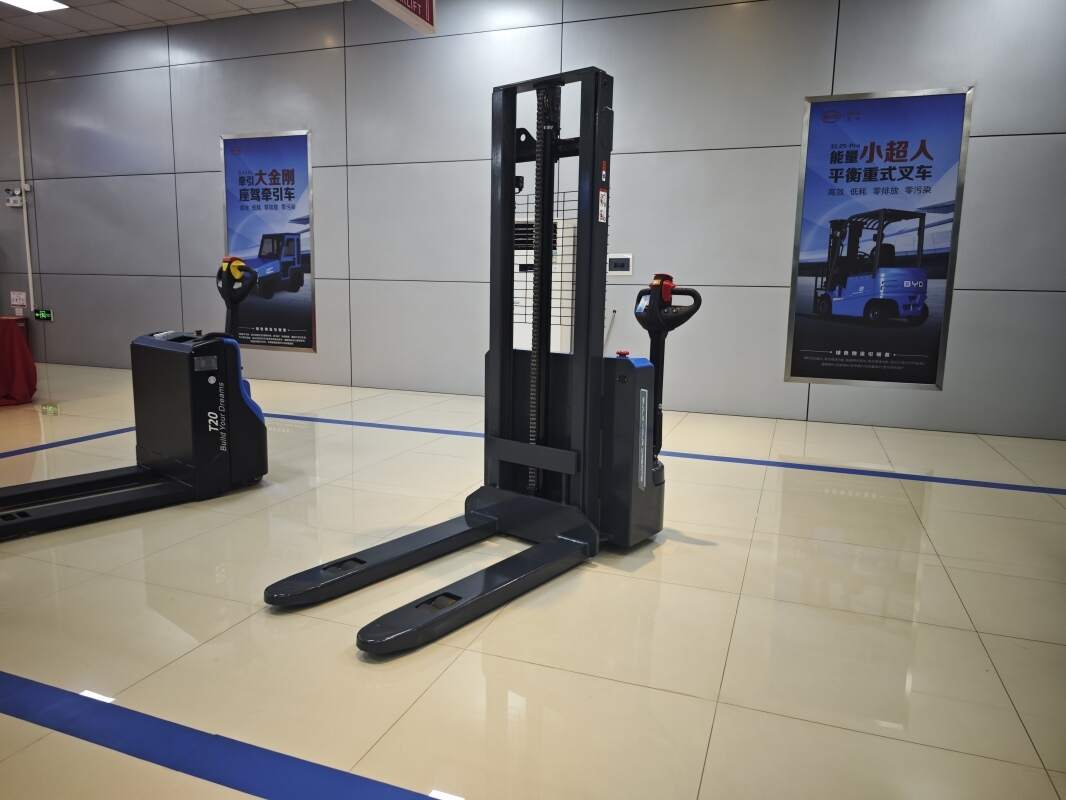
First, it is necessary to get familiar with the basic categories of common warehouse forklift batteries currently applied in the industry. The two mainstream types are the lead-acid battery and the lithium iron phosphate battery, each with distinct operation characteristics that fit different warehouse operation rhythms. The lead-acid type features mature technology and relatively low initial procurement cost, which is suitable for small and medium warehouses with low daily operation intensity. The lithium power type supports fast charging, low daily maintenance demand, and long cycle life, which can well meet the high-frequency, multi-shift material handling demand of large-scale e-commerce logistics warehouses.
Then comes the standard daily operation and maintenance guidance for warehouse forklift batteries. For lead-acid batteries, operators need to regularly check the electrolyte level according to the operation manual, keep the surface of battery packs dry and clean to avoid dust accumulation causing short circuit risk, and arrange full charge after 80% depth of discharge instead of random partial charge as much as possible. For lithium power batteries, operators should avoid placing the battery in an environment with extreme high or low temperature for a long time, follow the rated charging parameter requirements of the matched charger, and stop operation in time once abnormal overheating or abnormal warning appears.
There are also universal safety operation rules that apply to all types of warehouse forklift batteries. Operators are not allowed to place metal tools on the surface of battery packs to avoid accidental short circuit, do not expose the battery to open fire or high heat source, and arrange the battery to be stored in a dry, ventilated place with proper temperature if the forklift will be idle for more than 72 hours. All operation personnel should receive corresponding pre-job training before touching forklift batteries, to avoid misoperation that causes unnecessary damage to the equipment or personal injury.
Jianshu New Energy, the team that focuses on BYD electric forklifts, has rich practical experience in matching, operation guidance and after-sales support of warehouse forklift batteries. If you have any demand for related technical consultation or service, you can send emails to [email protected] to obtain professional and targeted support solutions.