
 English
 Русский
 Français
 Português
 Español
 لالعربية


As low-carbon and efficient logistics equipment gains wider popularity across warehousing, manufacturing and port operation scenarios, electric counterbalance trucks have become a preferred alternative to traditional internal combustion handling equipment for most enterprises. Many operators may overlook several key practical factors before making purchasing or deployment decisions, which may lead to mismatched operation efficiency or extra unnecessary operating cost in long-term use.
First, you need to confirm the rated load capacity and maximum lifting height that fully match your daily operation demands. It is not advisable to blindly pursue oversize load parameters that far exceed actual use needs, which will cause extra unnecessary procurement cost and inflexible operation in narrow spaces. Meanwhile, insufficient load parameters will bring hidden safety risks and cannot meet daily goods handling demands. You can count the maximum weight of your regularly handled goods, the highest shelf height you need to reach, and the common operation channel width to get the most suitable parameter range.
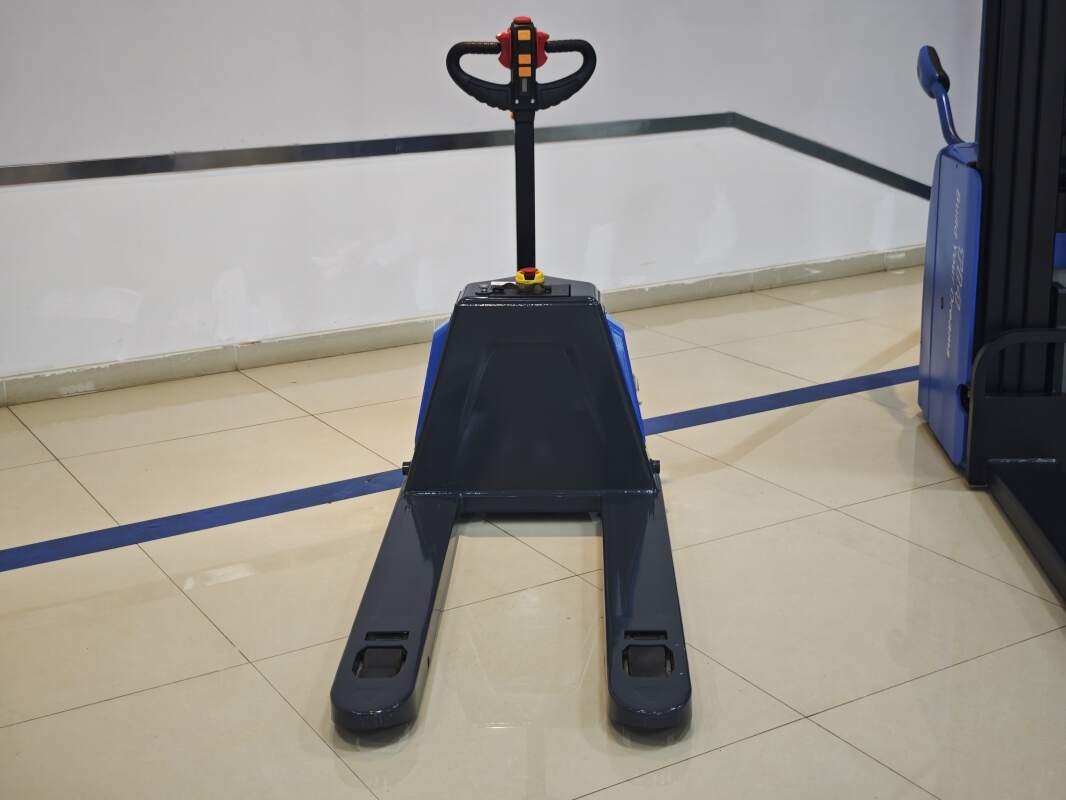
Second, evaluate the battery performance and charging supporting condition that fit your operation schedule. For enterprises that carry out single shift operation within 8 hours, standard battery configuration can fully support full-day continuous operation. For scenarios that have multi-shift continuous operation demands, you can choose fast charging supported configuration or replaceable battery solution to reduce downtime. You also need to check the power supply condition in your work site to make sure the charging layout can meet normal use requirements.
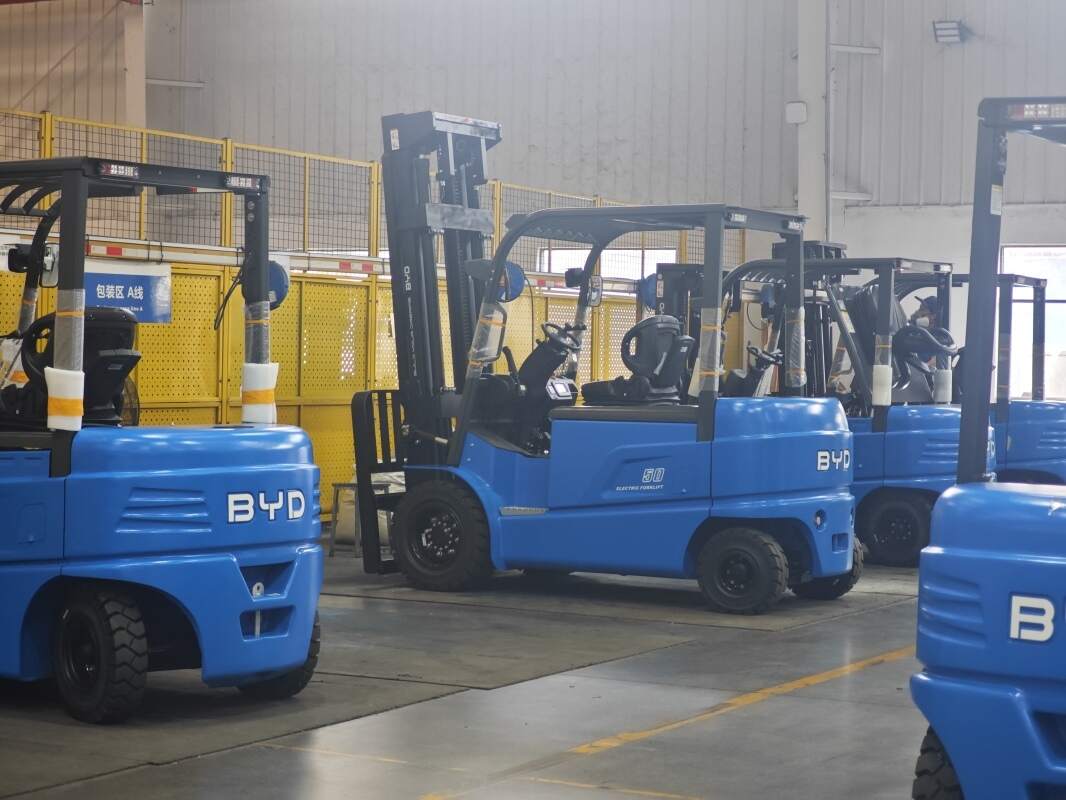
Third, confirm the scenario adaptability of the whole truck. If your operation site is indoor closed warehouse, you can give priority to models with low noise and zero emission performance to maintain good on-site working environment. If you need to operate in special scenarios such as low temperature cold storage or damp workshop, you need to select models with corresponding protection level to extend the service life of core components. For narrow aisle scenarios, the turning radius parameter should be taken into full consideration to avoid collision with shelves or stacked goods.
Last, calculate the full lifecycle operating cost instead of only focusing on the initial procurement expenditure. Electric counterbalance trucks have much lower daily energy consumption cost than traditional fuel models, and the regular maintenance items are fewer, which can bring stable long-term return on investment. Our team is Jianshu New Energy, who focuses on high quality BYD electric forklift solutions. If you have any demand for consultation or product matching, you can send emails to [email protected] for further support.


