
 English
 Русский
 Français
 Português
 Español
 لالعربية

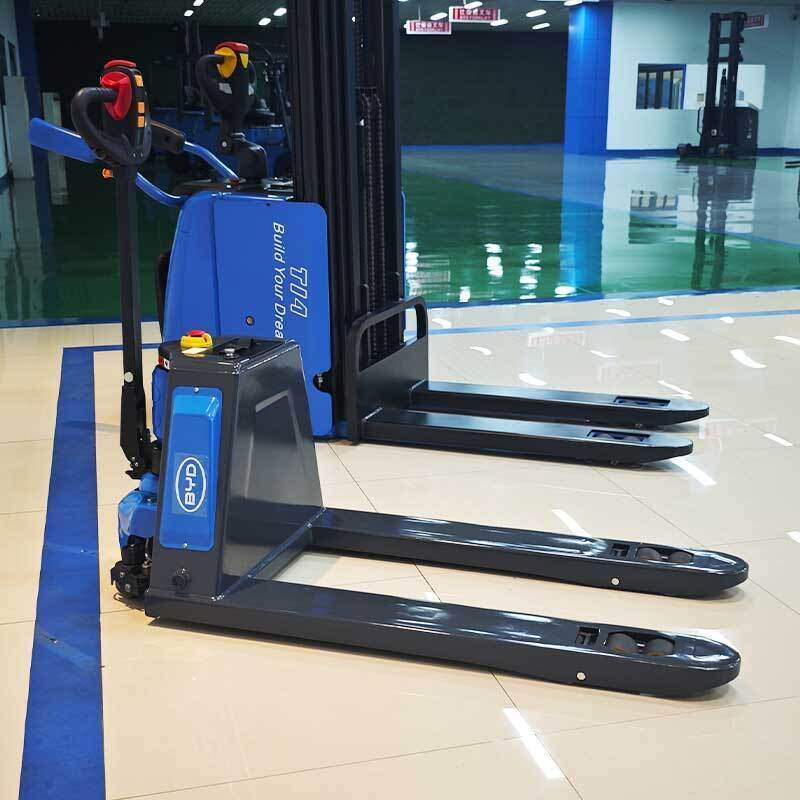
As low-carbon logistics development accelerates across the industrial sector, electric forklifts have become one of the most widely deployed material handling equipment in various storage, manufacturing and distribution scenarios. Mastering correct operation and application knowledge of such equipment helps relevant practitioners lower unnecessary operation risks and improve overall work efficiency.
Core Advantages of Modern Electric Forklifts
Compared with traditional internal combustion counterparts, current electric forklifts produce no tail gas emission during operation, and generate far lower noise in working environments, which is more suitable for enclosed indoor working spaces. Most models are designed with relatively simple transmission structures, which reduces the number of vulnerable parts to a certain extent, and lowers the threshold for daily troubleshooting for on-site operators, no extra complex professional tools are needed for common minor checks.
Standardized Daily Operation Specifications
Before starting each shift, operators need to conduct basic inspection on key parts including the brake system, lifting mechanism, tire condition and power remaining level, to confirm no hidden faults exist before formal operation. During moving process, operators should keep appropriate traveling speed according to site ground condition, avoid sudden turn or sharp brake, and keep sufficient safe distance with surrounding personnel and stacked goods to prevent accidental collision. Operators should also avoid carrying people on the fork arm or lifting unbalanced goods beyond the protection scope of the pallet.
Routine Maintenance Points for Extended Service Life
For the power battery system, operators should follow official guidance to complete charging process in specified temperature range, avoid full power depletion for long time, and clean the surface of battery components regularly to prevent dust accumulation affecting heat dissipation. For the hydraulic lifting system, personnel should check the sealing condition of oil pipelines periodically, replace hydraulic oil according to specified service cycle, and avoid overloading the equipment beyond rated load value for long term, to reduce wear of core structural parts.
Adaptable Scenarios for Optimized Usage
Electric forklifts can be deployed in most medium-strength material handling scenarios including retail distribution centers, food processing workshops, pharmaceutical storage areas and light manufacturing production lines. Users can match corresponding load capacity and lifting height parameters according to their actual operation demands, to obtain balanced performance input and output effect during long term usage.


