
 English
 Русский
 Français
 Português
 Español
 لالعربية

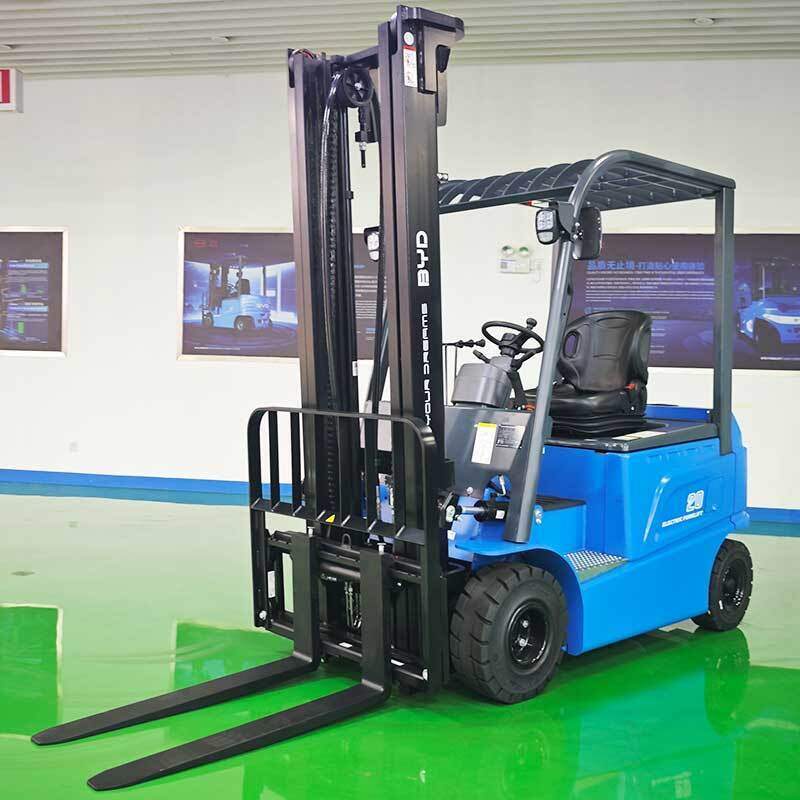
As low-carbon logistics and warehouse operation concepts gain wider popularity, electric forklifts have become one of the most commonly used material handling equipment in various industrial scenarios. Mastering systematic knowledge of its operation, maintenance and scenario adaptation can help operation teams give full play to the equipment’s value while lowering unnecessary operation risks.
Core Advantages of Electric Forklifts in Modern Material Handling
Different from internal combustion powered equipment, electric forklifts produce no exhaust gas during operation, which fits the environmental protection requirements of closed indoor warehouse spaces. Its overall operation noise is relatively low, which can reduce the interference to surrounding staff working for a long time in the same working area. The energy consumption cost per unit of operation is generally at a relatively low level after long-term use, which helps control the comprehensive operation cost of the whole warehouse.
Standard Safe Operation Specifications for Daily Use
Before starting each shift of operation, operators need to check the remaining power level, the flexibility of lifting and tilting mechanisms, and the sensitivity of the braking system first. Operators should not carry overloaded goods beyond the rated load range marked on the equipment body, and need to keep a proper safe distance from surrounding staff, goods shelves and passing obstacles during driving. When operating on ramp roads, operators should keep the goods facing the upper slope direction to avoid the risk of goods slipping off. After finishing the operation task, operators should park the equipment at the designated area, lower the fork to a position close to the ground, and cut off the power supply.
Routine Maintenance Points to Extend Equipment Service Life
For the power storage system, staff should follow the standard charging process requirements, avoid frequent over-discharge and over-charge behavior as much as possible, and keep the surface of the power assembly clean and dry regularly. For the walking and transmission components, regular lubrication and wear check are needed, and worn parts should be replaced in time according to the actual wear condition. The body surface should be cleaned of spilled goods and dust regularly to prevent corrosive substances from eroding the shell or moving parts.
Scenario Adaptation Suggestions for Different Use Cases
For low-density ordinary warehouse handling scenarios, the equipment can work for a long time at a relatively stable operation speed, no extra adjustment is needed. For narrow aisle scenarios, operators can properly reduce the driving speed to improve the flexibility of steering adjustment. For outdoor flat operation scenarios with low ambient temperature, it is recommended to pre-run the equipment for several minutes before formal operation, to let all components reach the proper working temperature before carrying out formal handling tasks.


