
 English
 Русский
 Français
 Português
 Español
 لالعربية

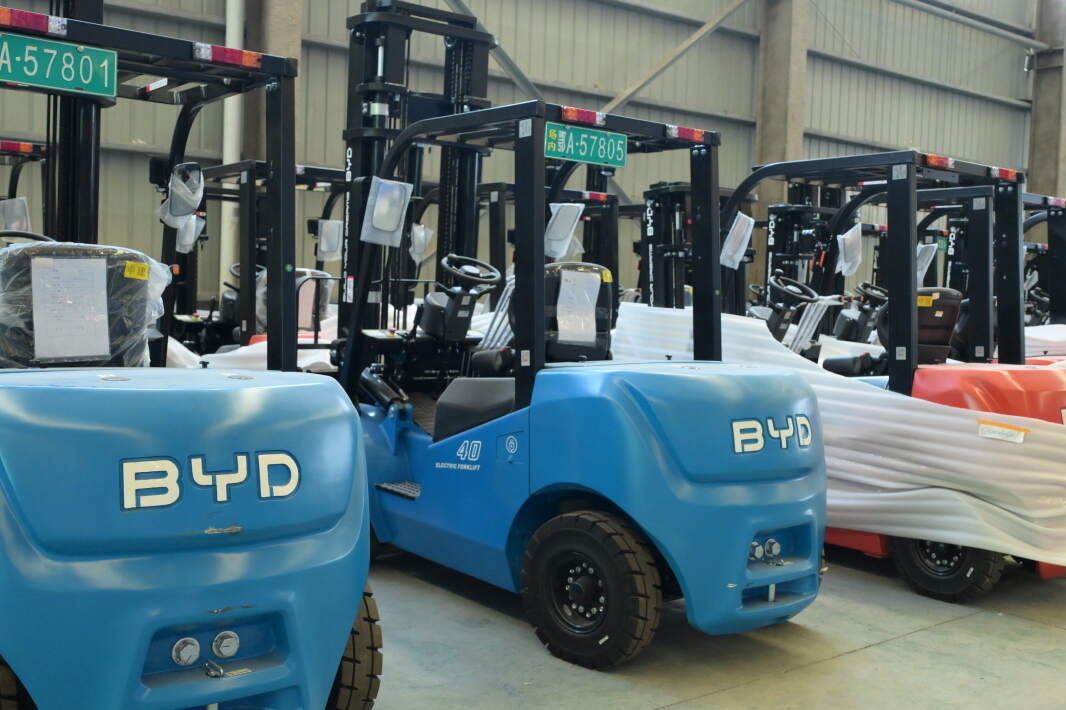
As low-carbon logistics and industrial storage industries develop rapidly, electric forklifts have become one of the widely used material handling equipment in closed warehouses, factory workshops and distribution centers, for their low noise level and zero local emission features. To help users get stable performance output from the equipment, it is necessary to master systematic professional knowledge covering operation, maintenance and efficiency optimization.
Standardized Operational Safety Protocols
Before starting each shift of operation, operators need to complete pre-check procedures including brake sensitivity testing, tire wear condition inspection, and power system status confirmation. During operation, operators should keep stable driving speed within the specified range, avoid sudden acceleration or sharp steering, and keep safe distance with surrounding personnel, goods and obstacles. It is not recommended to carry overloaded goods beyond the rated load range, and personnel shall not stand on the fork arms to lift without approved auxiliary protection devices. After finishing the operation task on each shift, operators need to lower the fork arms to the lowest safe height, pull the hand brake to the locked position and cut off the main power supply before leaving the equipment.
Routine Daily Maintenance Measures
After each daily use, operators need to wipe the surface dust and residual sundries on the equipment body, check the connecting parts of the fork mechanism for abnormal loosening, and place the equipment at the designated parking position. For the power battery module, users shall follow official charging specifications, avoid over-discharging the battery to extremely low power level for a long time, and keep the charging environment dry and ventilated without flammable and explosive materials nearby. Regular deep inspection of motor, circuit system and hydraulic parts can help detect potential hidden risks at early stage, reduce unexpected downtime rate, and extend the overall service cycle of the equipment.
Energy Efficiency Optimization Strategies
Reasonable route planning before handling operation can reduce unnecessary repeated driving, and arrange goods stacking positions in line with the lifting height range of the equipment, to reduce extra power consumption in operation. Under the ambient temperature within the recommended working range, the power consumption efficiency of the equipment can be kept at relatively ideal level. For long term idle storage, users should keep the battery at about 50% to 70% of the total power level, and conduct regular supplementary charging to avoid unexpected performance attenuation of core components.


