
 English
 Русский
 Français
 Português
 Español
 لالعربية

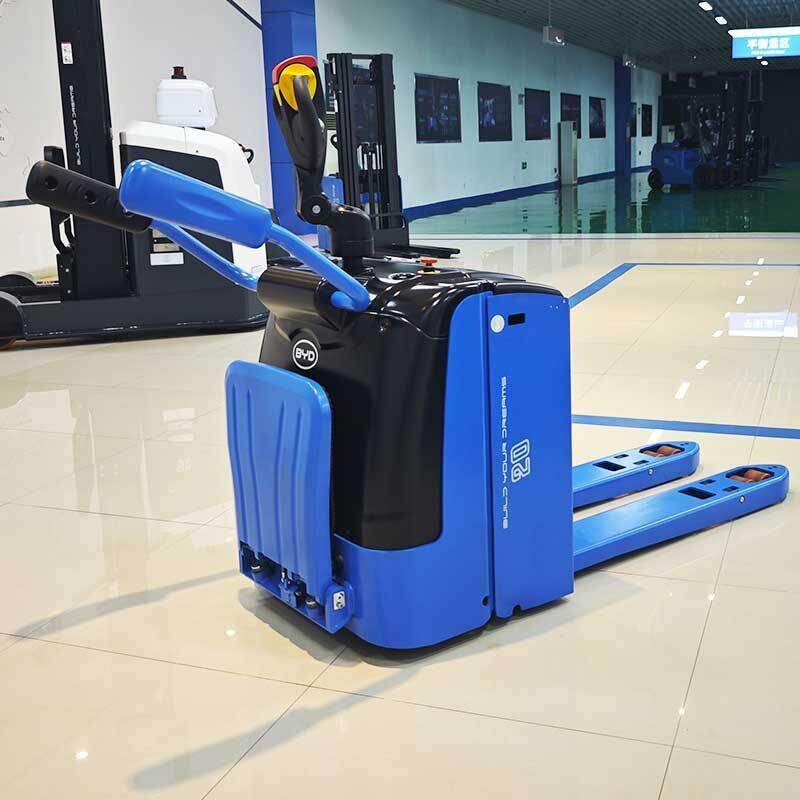
Against the backdrop of growing demand for low-carbon and high-efficiency industrial logistics, electric forklifts have become one of the most widely used material handling equipment in various warehousing, manufacturing and distribution scenarios. Compared with traditional internal combustion counterparts, they feature lower noise emission, zero on-site exhaust and more flexible operation performance, which can adapt to narrow indoor working spaces and strict environmental protection requirements. To maximize the usage value of this type of equipment, users need to master systematic knowledge covering operation norms, daily maintenance, scenario matching and performance management.
Standardized Operation Specifications for Daily Usage
Before starting any operation, operators need to conduct full pre-checks on core components, including the power system, brake structure, lifting mechanism and tire wear condition, to eliminate hidden risks in advance. During the operation process, operators need to keep stable driving speed, avoid sudden acceleration or emergency brake, and maintain a proper safe distance from surrounding personnel, shelves and stacked goods. When loading and unloading goods, the center of gravity of the cargo should be kept within the rated load range of the equipment, and over-lifting or overloading operation is not recommended, which can effectively reduce the probability of equipment tilt or premature component damage. Operators also need to receive systematic professional training before independent operation to be familiar with the response logic of various operation handles and emergency treatment measures for unexpected situations.
Scientific Daily Maintenance Guidelines
Regular standardized maintenance work can effectively extend the service life of electric forklifts and reduce unexpected failure rate during peak working periods. The power energy storage component is the core maintenance object, users need to follow the official matched charging rules, avoid over-discharging the power unit for a long time, and keep the surface of the power component clean and dry to prevent corrosive liquid erosion. In addition, users should regularly check the lubrication condition of all movable connecting parts, timely replenish professional lubricating oil for parts with high friction frequency, and clean the dust and debris accumulated in the ventilation heat dissipation structure of the motor system every fixed working cycle. Regular inspection of circuit connection points can also avoid poor contact caused by long term vibration.
Scenario Matching and Performance Optimization Tips
Different working scenarios have different requirements for the configuration of electric forklifts, for example, indoor closed warehousing scenarios can choose models with low floor clearance and small turning radius, while outdoor flat yard scenarios can choose equipment with higher adaptive chassis structure. During long-term use, users can adjust the operation parameter settings reasonably according to the actual working intensity, arrange idle rest time properly for the equipment under continuous high-load operation, which can keep the equipment in good working condition for a long time. Proper matching between equipment parameters and actual working demands can also reduce unnecessary energy consumption and further improve overall work efficiency.


