
 English
 Русский
 Français
 Português
 Español
 لالعربية

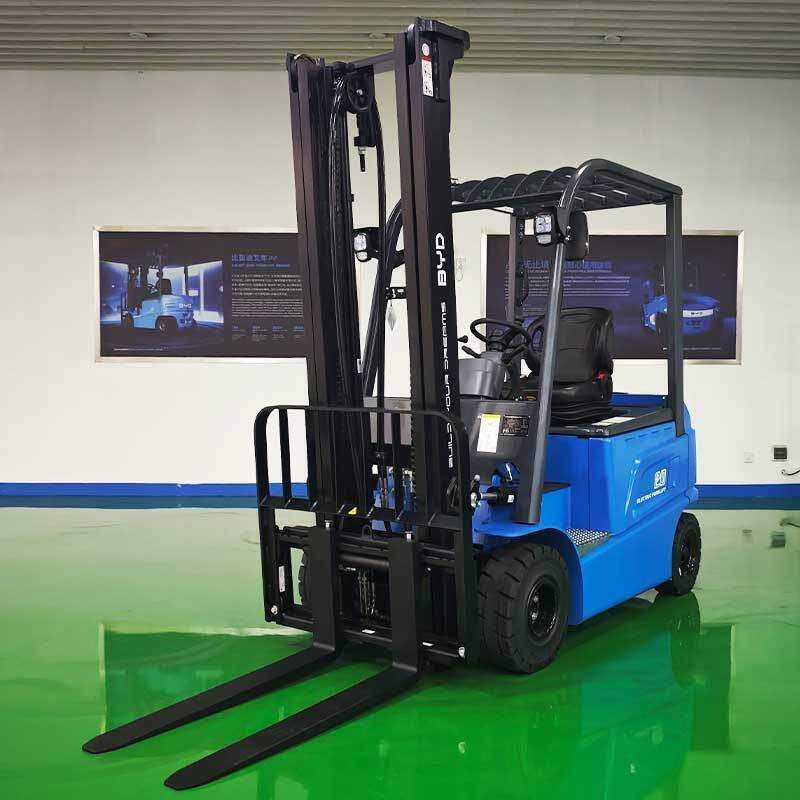
As low-carbon logistics becomes a mainstream trend across the industrial sector, electric forklifts have emerged as a core piece of material handling equipment for most modern warehouses, manufacturing workshops and distribution centers. Different from internal combustion counterparts, electric forklifts deliver distinct advantages in noise control, zero on-site emissions and operating cost stability, but their actual performance and service life rely heavily on standardized operation and targeted daily management.
Core Principles for Standard Daily Operation
Operators need to complete pre-shift checks before each startup, covering the power system status, brake sensitivity, lifting component tightness and tire wear condition. During operation, it is not recommended to carry loads that exceed the rated load capacity of the equipment, especially when the goods are lifted to a height of more than two meters, excessive load may cause lateral tilt risks. When driving on ramps or uneven ground, operators should keep the load facing the uphill direction to avoid sliding off. It is also advised to avoid frequent sudden acceleration or sudden braking in a narrow working aisle, which can reduce unnecessary wear of the power system and walking components.
Targeted Daily Maintenance Practices
Reasonable maintenance arrangements can effectively extend the service life of electric forklifts, and the focus of routine maintenance is concentrated on the battery system, which is the core component. Operators should avoid fully draining the battery power before recharging, and complete the charging process in a well-ventilated space that meets safety protection requirements, to avoid high temperature exposure during charging. The dust and debris accumulated on the body surface and heat dissipation channels need to be cleaned regularly every week, to ensure that the heat dissipation efficiency of the motor and controller stays at a normal level. Lubrication of rotating components such as lifting chains and bearings should be carried out as required according to the ambient temperature and working frequency, to reduce friction loss.
Safety Management and Efficiency Optimization
Enterprises can make targeted operation route planning according to the layout of the working site, to reduce unnecessary detour driving of electric forklifts during the peak period of material handling. Regular safety training for operators can help them form correct operation habits, reduce the probability of misoperation, and avoid potential safety hazards caused by improper adjustment of the lifting angle. For equipment that works more than 8 hours a day, enterprises can arrange regular professional inspections every three months, to detect potential hidden problems in advance, and avoid unexpected downtime that affects the normal operation of the entire logistics process.


