
 English
 Русский
 Français
 Português
 Español
 لالعربية

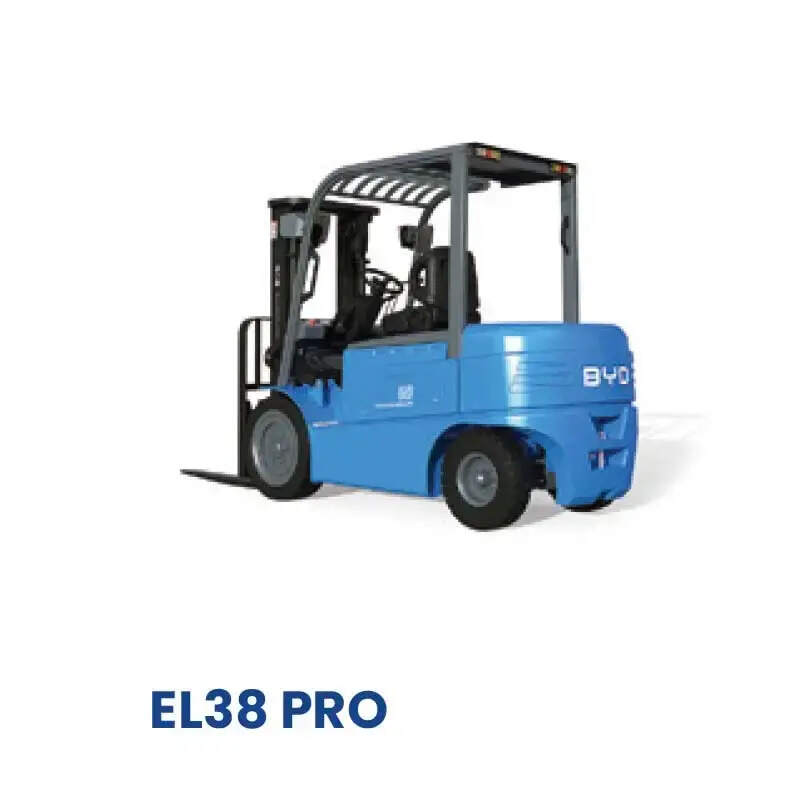
Proper operation of stand-on electric pallet trucks is the core premise to ensure smooth warehouse material handling, reduce unnecessary equipment wear and avoid personal and property safety risks. All operators must receive systematic formal operation training before officially taking up the post, and obtain corresponding operation qualification after passing the assessment, and it is strictly forbidden for untrained personnel to operate the equipment without permission.
The first part is pre-operation inspection. Before starting each operation, operators need to complete a full range of pre-use checks step by step. First, check the appearance of the equipment to confirm that the body is free of obvious damage, the protective guard is installed firmly, and the running wheels are free of foreign matter entanglement and abnormal wear beyond the allowable range. Second, check the power system to confirm that the battery power is sufficient to support the scheduled operation tasks on the day, the wiring interface is free of looseness or leakage, and the emergency stop button can respond sensitively after pressing. Third, test the lifting and walking functions under no-load state to confirm that the pallet fork lifts and lowers smoothly, the forward and reverse switching responds normally, and the brake system can complete the parking action stably at the set position. All hidden dangers found in the inspection must be reported to the management personnel in time, and the equipment can be put into use after all problems are fully troubleshooted.
The second part is in-operation standard requirements. During the operation, the operator should stand in the designated standing area on the equipment side, keep the body stable, and do not stretch any part of the body out of the protective range of the equipment. When picking up the goods, adjust the distance between the pallet forks according to the actual size of the pallet, so that the two pallet forks can bear the load evenly, avoid single-side load or over-load operation beyond the rated load range. When driving, keep the running speed within the safe range according to the actual site conditions, slow down in areas with crowded personnel, narrow passages and uneven ground, and give clear sound reminders to surrounding personnel when turning or passing the intersection. It is not allowed to use the equipment to pull or push other objects irrelevant to the work, and it is also not allowed to carry other personnel on the standing area of the equipment.
The third part is post-operation management. After the daily operation is completed, the operator should park the equipment in the designated fixed parking area, lower the pallet fork to the lowest position, turn off the main power switch, and arrange the surrounding sundries to keep the passage unobstructed. Charge the equipment in accordance with the specified operation steps to avoid overcharging or insufficient power storage, and do not place irrelevant sundries on the surface of the battery to prevent hidden safety hazards. In case of abnormal conditions such as equipment out of control or goods slipping during operation, the operator should press the emergency stop button immediately, evacuate to the safe area quickly after confirming that the surrounding environment is safe, and report the situation to the on-site management personnel, do not disassemble the equipment for maintenance without professional guidance.


