
 English
 Русский
 Français
 Português
 Español
 لالعربية

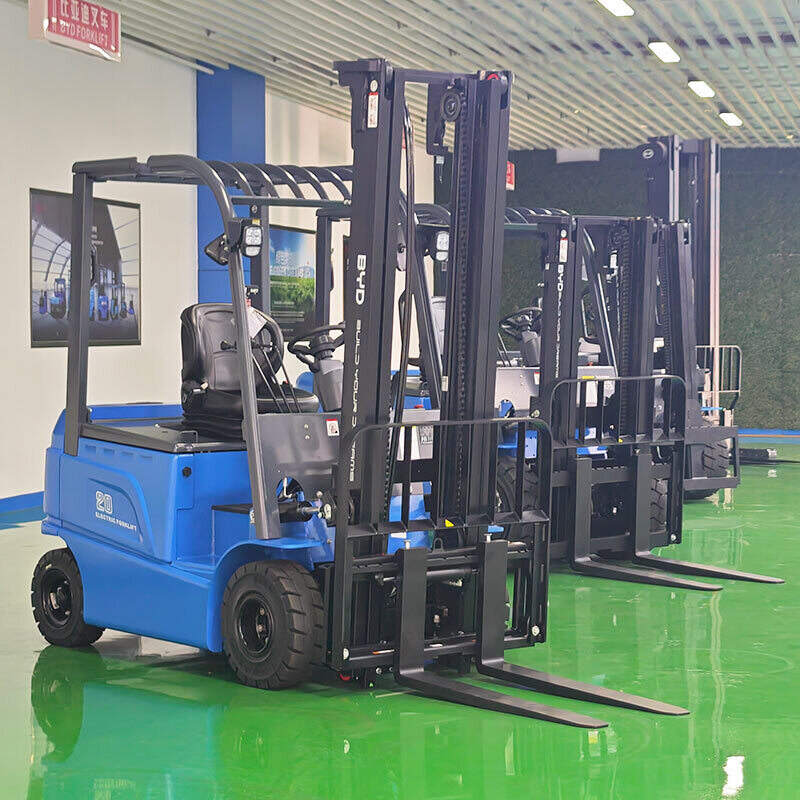
Many existing warehouses built years ago are often restricted by original layout designs, leaving large untapped vertical and aisle space that cannot be fully utilized for cargo storage. For most warehouse operators, expanding storage capacity does not have to rely on costly new warehouse leasing or large-scale facility reconstruction, and properly applying lithium-ion reach-trucks can help achieve the goal of maximizing storage density in a cost-effective way.
First, operators can complete aisle width adjustment based on actual measurement of existing warehouse sites. Different from traditional counterbalance forklifts that require wide operation channels, the compact body structure of lithium-ion reach-trucks allows stable and safe operation in narrow aisles. After verifying the turning radius parameter of the selected model, operators can reasonably narrow the original aisle width that is reserved for old material handling equipment, and arrange more cargo racks in the original aisle occupation area. Unlike lead-acid reach-trucks that need special battery replacement zones, lithium-ion reach-trucks support opportunity charging, which does not require independent dedicated battery swapping areas, and the original space planned for battery replacement can also be converted into available storage positions.
Second, operators can make full use of the stable high-lifting performance of lithium-ion reach-trucks to tap vertical storage potential. The consistent power output of lithium battery units enables the equipment to maintain stable operation status when lifting cargos to high rack positions, so operators can appropriately increase the height of existing racks within the load-bearing limit of the original warehouse floor and the safety range of building structures, making full use of the vertical space that was previously left idle above low racks. Before formal operation, the site management team needs to conduct a full survey of the original ground bearing capacity, building clear height and cargo weight grade, to formulate a targeted operation plan that matches the actual situation.
Third, operators can optimize the daily operation flow to further avoid unnecessary space occupation. The charging points of lithium-ion reach-trucks can be arranged in the idle corner areas of the warehouse that do not affect the main cargo flow, and relevant operation training can be provided for on-site operators to help them master the operation norms in narrow aisles and high-position access scenarios. Such a set of application practices will not cause damage to the original warehouse structure, and can effectively increase the available storage positions by a considerable proportion under the premise of ensuring operation safety.


