
 English
 Русский
 Français
 Português
 Español
 لالعربية


The stability triangle is a core theoretical safety model that defines the safe operation boundary of all counterbalanced forklifts, which forms a stable invisible three-point support area connecting the contact points of two front wheels and the middle pivot point of the rear steering axle. When the combined center of gravity of the forklift and its carried load stays within this enclosed triangle area, the vehicle can keep stable under normal static state, while any shift of the combined center of gravity outside this range will bring potential rollover risks, which is a key knowledge that every forklift operator needs to master in daily work.
The first core influencing factor of the stability triangle is the position of the combined center of gravity of vehicle and loads. When operators lift goods to an excessive height, or tilt the load carriage forward far beyond the specified angle, the overall center of gravity will move forward and break the front boundary of the stability triangle, which may cause forward tip-over risks. If the forklift carries overload goods beyond the rated load, the extra weight will also push the center of gravity outside the safe range of the stability triangle, no matter in static or moving state. When the forklift turns with load at relatively high speed, the lateral centrifugal force will pull the combined center of gravity to shift outward, breaking the lateral balance of the stability triangle and leading to lateral rollover risks.
The second key factor comes from the actual supporting ground condition. The original stability triangle model is designed on the premise of flat, solid and horizontal ground. Once the forklift drives on sloped ramps, soft muddy ground or operation surface covered with scattered obstacles, the three support points that form the stability triangle will shift or even lose effective supporting force, which will shrink the actual safe range of the stability triangle greatly, even if the load weight and lifting height meet the operation requirements.
The third factor refers to the dynamic operation behavior of operators. Even if the static combined center of gravity stays within the standard stability triangle range, sudden emergency braking, sharp steering and rapid acceleration under loaded state will generate extra instantaneous inertial force, which will pull the center of gravity to move outside the preset safety boundary instantly, leading to unexpected stability risks.
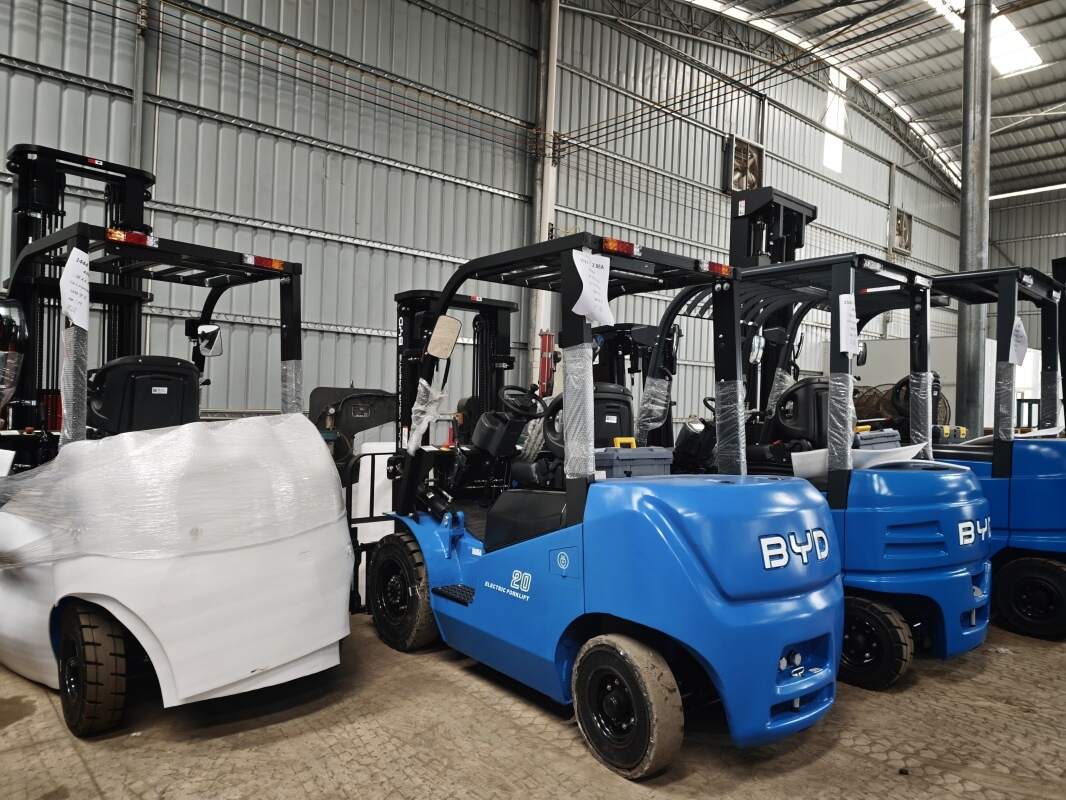
As a professional new energy material handling equipment service provider, Jiashu New Energy focuses on high quality electric forklift products, and supplies systematic safety operation training for all users to help operators fully understand the working rule of forklift stability triangle, reduce operation hidden dangers, and improve the overall handling efficiency of warehouse scenarios. For any related consultation, you can send emails to [email protected] for professional technical and service support.


