
 English
 Русский
 Français
 Português
 Español
 لالعربية

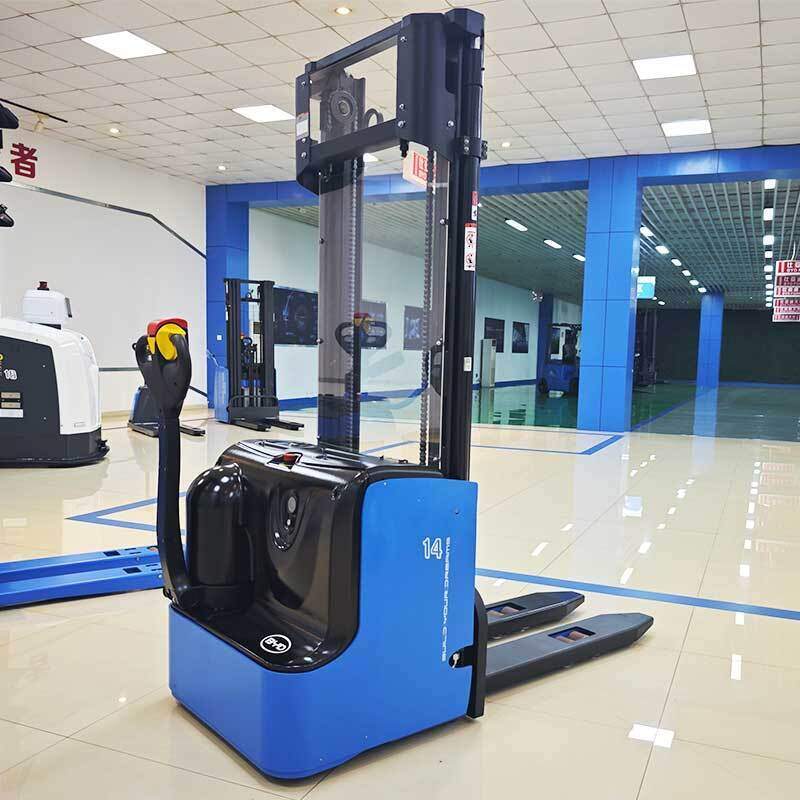
When facility teams initiate phased BYD lithium forklift fleet replacement projects, well-structured arrangement is the core foundation to avoid unplanned operation disruption and maximize the value of new equipment input. Unlike full-scale one-off fleet renewal, phased mode allows teams to adjust schemes according to actual operation feedback, which is more friendly for sites with tight continuous production and material handling demands.
Pre-Project Baseline Assessment
Before launching the first phase of replacement, facility teams need to complete full-dimension inventory of existing operation conditions first. It is suggested to collect 3 to 6 months of historical data of the current fleet, including daily average working hours of each unit, typical load requirements of different operation scenarios, peak time periods of material handling tasks, and annual maintenance cost of old equipment. Teams can mark out sites with the highest equipment loss rate and most urgent renewal demand as the priority deployment areas, to avoid blind replacement that brings no obvious benefit improvement.
Phased Deployment Rhythm Control
To minimize impact on daily operation, the proportion of new forklifts put into use in each phase is recommended to be controlled between 15% and 25% of the total fleet scale. It is necessary to avoid arranging deployment work during traditional business peak periods, such as annual production rush seasons, large order fulfillment cycles and full inventory checking periods. Teams need to reserve 1 to 2 weeks of buffer time between adjacent phases, to collect operation data of newly put into use forklifts, sort out potential problems, and make full preparation for the next batch of replacement.
On-Site Adaptability Verification
Before the delivery of each batch of new BYD lithium forklifts, facility teams need to complete pre-check of on-site supporting facilities in advance. Key check items include the matching condition of reserved power supply points and the charging specification of new forklifts, the accessibility of main operation channels for new vehicle models, and the adaptability of working scenarios such as narrow aisles, cold storage and loading docks. For sites that need partial transformation of supporting facilities, the construction should be completed and tested 3 to 5 working days before vehicle delivery, to eliminate unplanned idle time of new equipment.
Staff Transition Support
After each batch of new vehicles arrive, teams should arrange targeted operation and maintenance training for frontline operators and on-site management personnel first. It is suggested to arrange professional technical support to stay on site for 2 to 3 working days during the initial operation period, to respond to small operation problems in time. Teams can also arrange experienced operators who get familiar with new vehicle operation to take the lead in pilot tasks, to drive the whole team to complete the operation habit transition steadily.
Through the above systematic arrangement, facility teams can complete the whole phased lithium forklift fleet replacement project smoothly, and finally realize the steady improvement of on-site material handling efficiency.


