
 English
 Русский
 Français
 Português
 Español
 لالعربية

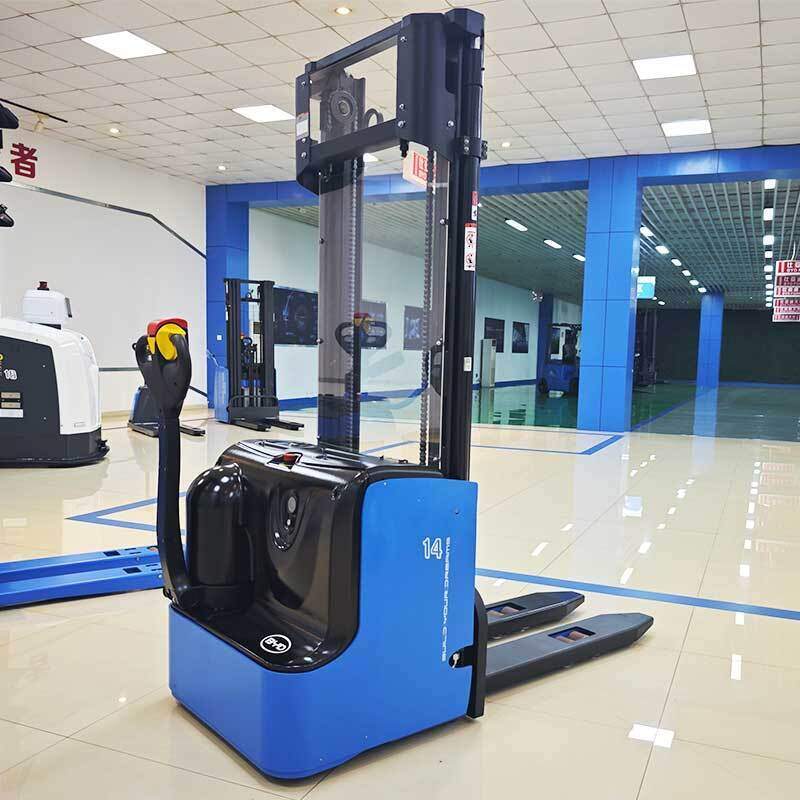
Nowadays, electric forklifts have become one of the most widely applied core equipment in modern industrial storage and logistics scenarios, as more enterprises prioritize low carbon emission, low operation noise and high cost performance in material handling links. Mastering correct operation and maintenance rules can effectively extend the service life of the equipment, reduce unexpected downtime, and create more stable operational benefits for the whole material handling system.
Core Operation Specifications for Daily Use
Before starting the equipment each shift, operators need to complete basic pre-checks including power level display, brake system sensitivity, tire surface condition and lifting mechanism flexibility, to eliminate hidden risks in advance. During the operation process, operators should keep stable driving speed according to site road conditions, avoid sudden acceleration or sharp braking, and keep proper safe distance with surrounding personnel and stacked goods. When carrying heavy loads, do not lift the cargo to an excessively high position during moving process, and adjust the mast to a proper backward tilted angle to ensure the stability of goods on the forks.
Scientific Daily Maintenance Suggestions
For the power core part of electric forklifts, users need to follow official specified charging rules, avoid over discharging the battery to an extremely low level before charging, and complete the full charging process in a well ventilated, dry and temperature suitable environment. The surface of the equipment should be cleaned regularly to remove accumulated dust, cargo residues and sundries stuck in the walking mechanism, to prevent these impurities from affecting the normal operation of moving parts. Regular inspection of electrical circuit connection points can avoid loose wiring caused by long time vibration, which can effectively reduce the probability of circuit failures.
Efficiency and Safety Optimization Tips
Enterprises can arrange targeted regular skill training for operators, to help different staff master the operation points of different types of electric forklift equipment, and form good operation habits that conform to safety specifications. Combining the actual layout of the warehouse and the flow of cargo handling, reasonably plan the driving route of electric forklifts, can reduce unnecessary idle driving time, and improve the overall turnover efficiency of cargo handling. It is also recommended to arrange dedicated personnel to record the daily operation data and failure records of each equipment, to formulate a more targeted periodic maintenance plan according to the actual use intensity of the equipment.


