
 English
 Русский
 Français
 Português
 Español
 لالعربية

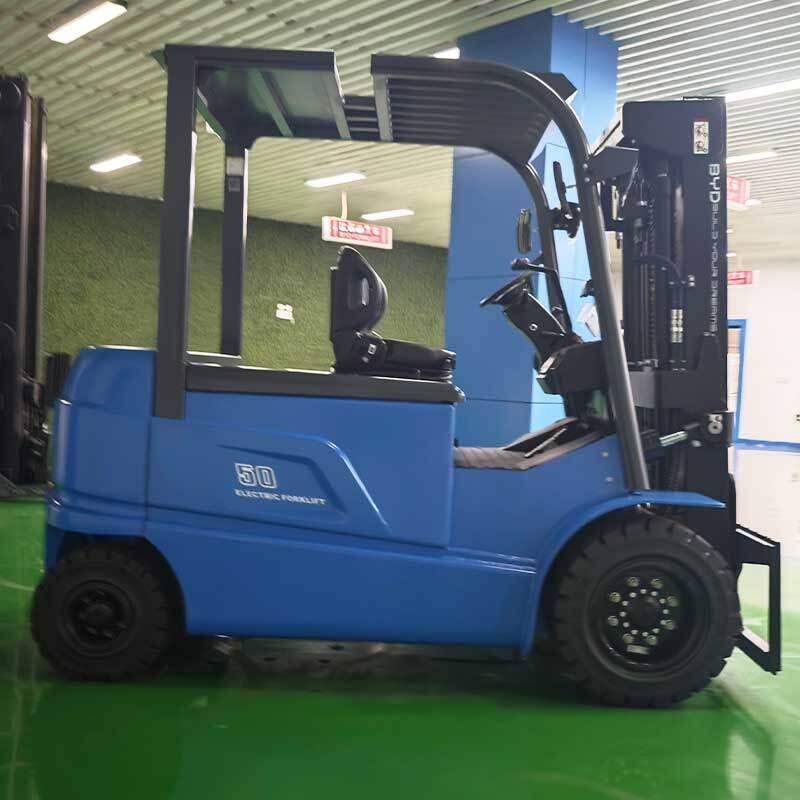
Against the continuous promotion of low-carbon operation concepts in the global industrial and logistics sectors, electric forklifts have become a widely recognized core material handling equipment in various indoor and enclosed working scenarios. Different from traditional internal combustion power handling equipment, electric forklifts produce no exhaust emission during the working process, and keep the overall noise level at a relatively low range, which can well meet the environmental protection and comfort demands of closed warehouse spaces.
Basic Operation Specification for Electric Forklifts
Before starting the equipment for daily tasks, operators need to complete a complete pre-operation check, covering the remaining power status of the power battery, the flexibility of the steering structure, the sensitivity of the brake components, and the surface integrity of the load forks. All operators need to receive systematic professional skill training before independent operation, and strictly follow the rated load parameters of the equipment during the handling process, avoiding long-term overloading that may cause additional loss to the equipment structure. When driving electric forklifts in narrow warehouse aisles, operators should control the running speed within the specified safe range, and turn on the supporting warning light and prompt devices to remind surrounding workers to avoid potential collision risks.
Routine Maintenance Points for Electric Forklifts
The daily maintenance system of electric forklifts should be formulated according to the actual use frequency and working scenario conditions. The core of maintenance management lies in the regular inspection of the power system, and professional technicians should be arranged to check the battery cell status and wiring tightness at a fixed cycle. Operators need to complete charging work in strict accordance with the official operation requirements, to avoid irreversible damage to the battery service life caused by long-term over-discharge or over-charge. In addition, the wear condition of the hydraulic lifting components and walking wheels should be checked regularly, and the severely worn parts should be replaced in time when the wear degree reaches the specified threshold.
Application Value of Electric Forklifts in Modern Logistics
In the daily operation process of modern storage and distribution centers, standardized use of electric forklifts can effectively reduce the comprehensive operation cost of the scenario. Without the need to consume fossil fuel, the daily energy consumption cost of electric forklifts is far lower than that of traditional internal combustion forklifts, and the low-noise operation mode will not generate excessive noise interference to the indoor working environment. At present, the applicable scenarios of electric forklifts are also expanding, covering cold chain storage, pharmaceutical logistics, precision electronic manufacturing workshops and other scenarios that put forward high requirements for operation environment cleanliness.


