
 English
 Русский
 Français
 Português
 Español
 لالعربية

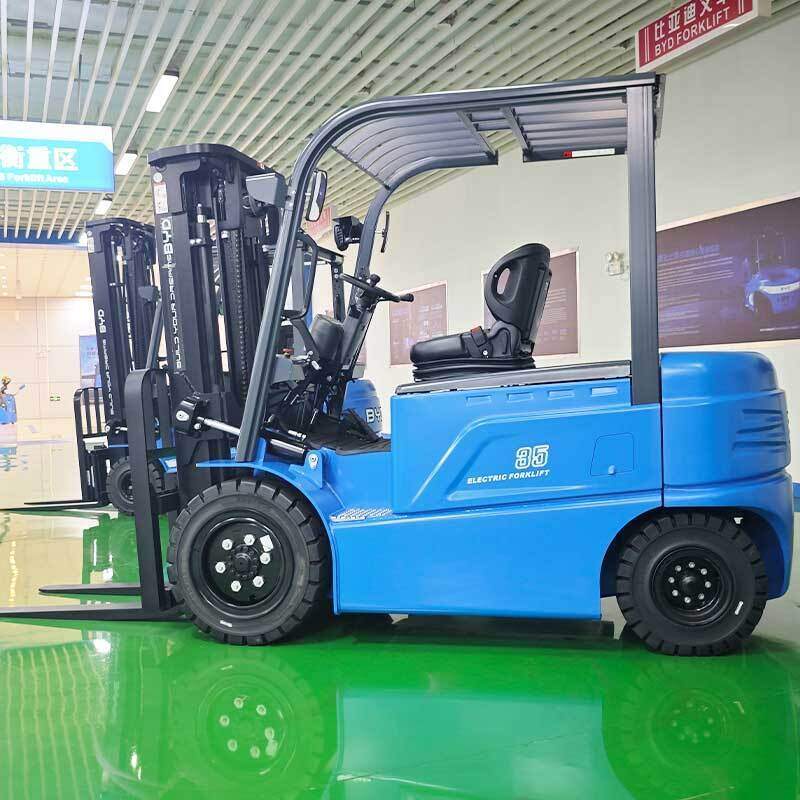
With the continuous promotion of low-carbon logistics concepts across the industrial sector, electric forklifts have become one of the most widely adopted material handling equipment in closed and semi-closed operation spaces such as warehouses, manufacturing workshops and distribution centers in recent years. Unlike traditional internal combustion counterparts, electric forklifts output power through energy storage battery packs and driving motors, producing no exhaust emissions during operation, which fits the environmental protection requirements of most modern industrial sites.
Core Functional Advantages of Standard Electric Forklifts
Under regular rated load conditions, most electric forklifts can maintain stable power output for 6 to 8 consecutive hours of common handling tasks. The overall noise level during operation is significantly lower than that of fuel-powered models, which effectively reduces noise interference to on-site staff and avoids occupational health risks caused by long-term exposure to high-decibel working environment. The compact body structure of most small and medium-sized electric forklifts also supports flexible passing in narrow aisle spaces, improving the utilization rate of storage space to a certain extent.
Standard Daily Operation Specifications
Before each shift of operation, operators need to conduct simple visual inspections of the tire wear status, brake response performance, and remaining power display of the equipment. It is not recommended to carry out over-limit loading or long-distance ramp transportation beyond the rated load range, which may cause additional wear to the driving motor and hydraulic lifting system. When the remaining power drops to the preset warning threshold, operators should arrange for timely charging in the designated power supply area, and avoid deep discharge of the battery pack that may affect the overall service cycle.
Routine Maintenance Suggestions
Regular maintenance work can effectively reduce the unexpected failure rate of electric forklifts in daily use. Operators can regularly clean the dust and debris accumulated on the surface of the motor and the heat dissipation structure of the battery pack, and check the tightness of the connecting wires of the electrical system every 2 to 4 weeks. During the long-term idle period, it is necessary to arrange regular supplementary charging of the battery pack to keep the battery cell activity at a reasonable level, so as to avoid irreversible performance attenuation caused by long-term power loss.


