
 English
 Русский
 Français
 Português
 Español
 لالعربية

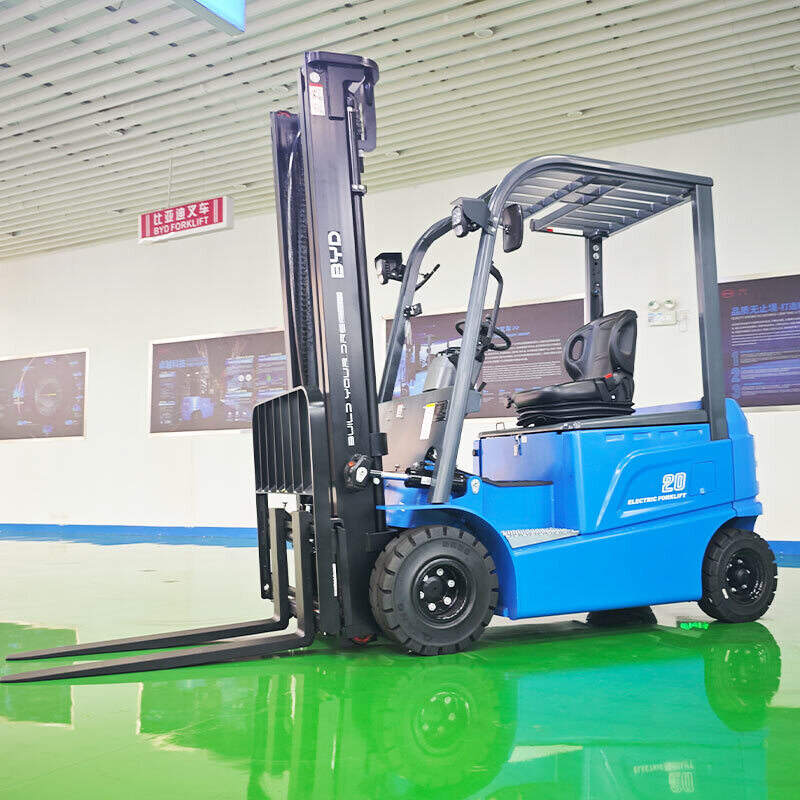
As more warehouse sites transition from fossil fuel-powered material handling equipment to low-carbon electric solutions, fast-charging lithium-ion forklift systems have emerged as a practical option for operators with high daily operation intensity. This type of system is designed to support short-duration top-up charging during normal work breaks, instead of requiring long continuous charging cycles or frequent battery replacement procedures common for traditional lead-acid forklift units.
For most warehouse scenarios, the first visible benefit of such systems is the reduction of unplanned operation downtime. Under proper management, operators can insert 10 to 15 minutes of top-up charging during shift handover, meal breaks or cargo staging gaps, to gain extra 2 to 3 hours of continuous working power without replacing the full battery. This design also eliminates the need for dedicated battery storage rooms and professional battery replacement staff, saving limited indoor warehouse space that can be allocated for cargo storage instead. The second core benefit comes from operation safety and low daily maintenance demand. Different from lead-acid batteries that may produce volatile corrosive gas during charging, sealed lithium-ion forklift battery units do not generate spillage or harmful gas during normal charging process, which creates a safer indoor working environment for warehouse staff. Operators do not need to arrange regular water replenishment or specific equalization maintenance steps for these batteries, reducing daily labor input for equipment management.
However, warehouse operators also need to take multiple practical limitations into full consideration before introducing these systems. The first major limitation is the relatively high initial investment threshold. Apart from the higher purchase cost of the lithium-ion forklift units themselves, the high-power fast charging supporting facilities require matching warehouse power grid transformation, which will generate extra one-time input that may not be cost-effective for small-scale warehouses with low daily operation hours. The second limitation comes from operation arrangement requirements. Without pre-reserved reasonable short break windows in daily shift schedules, operators can hardly make full use of the top-up charging function, and improper frequent high-power charging in non-standard conditions may cause slight reduction of the whole battery service life. For warehouses located in areas with long-term low ambient temperature below 0 degree Celsius, extra thermal management modules for the charging system are required to maintain normal charging efficiency, which will bring additional cost input and management burden. For practical deployment, it is recommended that warehouse operators make comprehensive assessment based on their own daily operation intensity, existing power distribution capacity, and long-term operation planning, to select the most suitable electric forklift solution that matches actual site demands.


