
 English
 Русский
 Français
 Português
 Español
 لالعربية

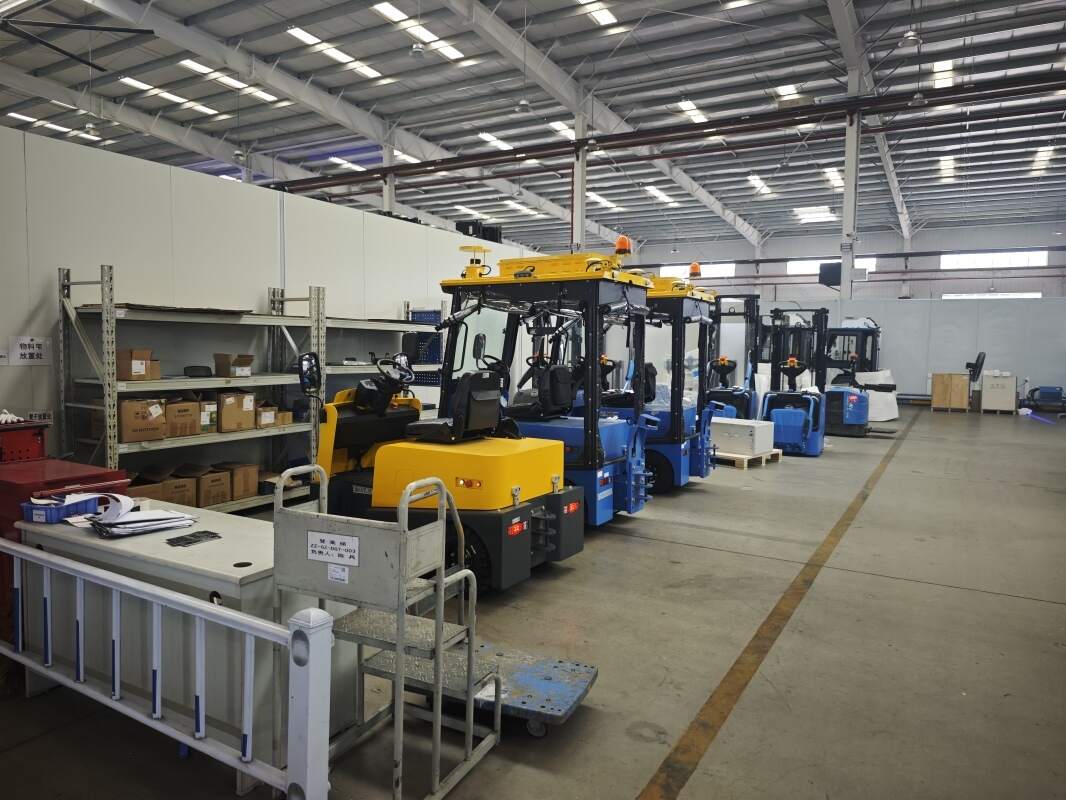
Warehouse operations with dense layered storage racks usually leave limited maneuvering space for electric forklifts, and reversing in such narrow aisles carries relatively high collision risks for surrounding walking personnel, stacked pallets and fixed rack structures. Most hidden blind areas during reversing cannot be fully covered by standard side rearview mirrors alone, which makes a standardized pre-reversing visibility check routine a core part of daily safe operation protocols for all forklift operating teams.
Before you initiate any reversing action in the rack aisle, you need to first bring the electric forklift to a complete full stop at the suitable position, set the parking brake lightly to avoid unintended sliding on uneven floor surfaces, and adjust the position of the carried load if the high stacked cargo blocks partial side view lines. Then turn your entire upper body to face the rear direction, instead of only staring at the side mirrors, to scan the full 180-degree area behind the vehicle, covering the gap between the bottom of the forks and the floor, the low space close to the rack base that may be hidden by the vehicle body, and the far end of the aisle behind the forklift.
After finishing the initial manual visual scan, check all the auxiliary visibility related accessories installed on the vehicle, confirm that the rear viewing window is free of accumulated dust, scattered cargo residues or obstructing pasted labels, verify that the rear distance prompt function works normally to catch any moving targets that may enter the blind area in real time. You also need to trigger the clear audible warning device for 2 to 3 seconds before you start moving backward, to remind any nearby walking staff or other operating equipment to stay at a pre-defined safe distance outside the planned reversing route.
For extra narrow rack aisles where the rear view is partially blocked by extended side rack beams, you can arrange a designated on-site signal staff to assist with observation if the operation condition permits, keep consistent communication through pre-agreed simple signal gestures during the entire reversing process, and stop the action immediately once you receive any pause signal from the on-site observer. After you finish the whole check routine, you need to maintain a low reversing speed no higher than the site regulated limit, keep glancing back at the rear area at short intervals during the whole moving process, to respond immediately to any unexpected obstacles that appear in the route.
Regular practice of this complete visibility check routine can effectively reduce unnecessary operation accidents, form a stable safe operation habit for forklift operators, and create a more orderly working environment for the whole warehouse storage area.


