
 English
 Русский
 Français
 Português
 Español
 لالعربية

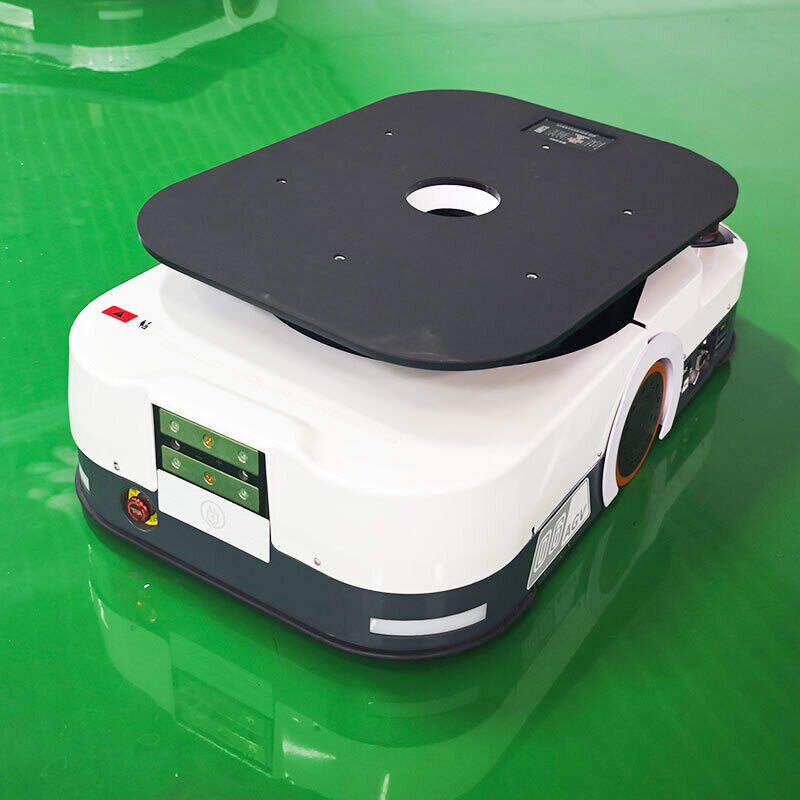
With the continuous development of global green logistics systems, electric forklifts have become one of the most widely adopted material handling equipment in indoor warehousing, retail distribution centers and industrial production workshops in recent years. They match the current low-carbon development trend of the logistics industry, and bring more feasible optimized solutions for on-site material transfer work.
Core Functional and Scenario Advantages
Different from fuel-powered handling tools, electric forklifts produce no local exhaust emissions during operation, which can effectively avoid air pollution in closed indoor workspaces and reduce harm to long-term on-site workers. The overall operating noise of well-calibrated electric forklifts is far lower than fuel-driven counterparts, which helps maintain a comfortable working environment for staff and avoid noise interference in scenes with strict requirements for ambient sound. Most common models can adapt to narrow channel operation conditions, making full use of limited warehouse storage space to improve the overall storage capacity of the site.
Standardized Daily Operation Guidelines
All operators should receive systematic pre-job training before using electric forklifts to fully master the basic performance parameters and operating logic of the equipment. Before each shift, operators need to complete a full pre-check of the vehicle, including confirming the remaining battery power, the sensitivity of the braking system, the wear condition of the fork teeth and the flexibility of the lifting mechanism. During the operation process, personnel should avoid overloading beyond the rated load range, keep a safe distance from surrounding personnel and stacked goods, and reduce the driving speed in areas with dense pedestrian flow to reduce potential safety risks.
Scientific Routine Maintenance Suggestions
Correct daily maintenance can effectively extend the service life of electric forklifts and reduce unplanned downtime in peak operation periods. For the core battery component, users should regularly clean the connection electrodes to avoid dust accumulation leading to poor contact, and avoid over-discharging or over-charging behaviors that may damage the battery activity. It is also necessary to regularly lubricate the steering assembly and lifting transmission parts, and replace aging sealing components in time to keep the equipment in good working condition for a long period.


