
 English
 Русский
 Français
 Português
 Español
 لالعربية

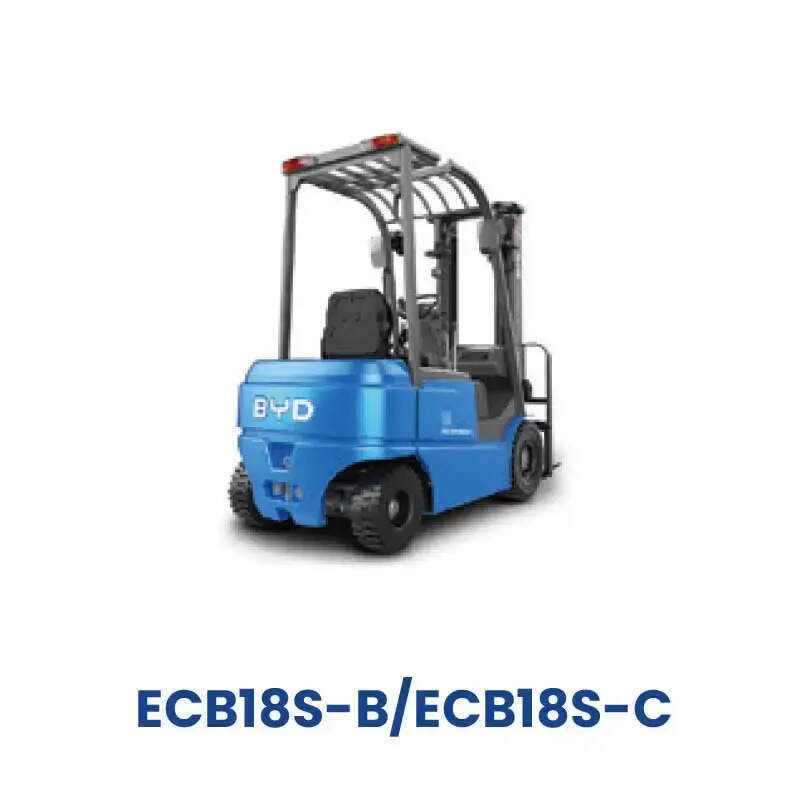
As the low-carbon logistics sector develops rapidly across global industrial scenarios, electric forklifts have become one of the most widely used material handling equipment in warehouses, manufacturing workshops and port yards in recent years. Mastering relevant professional knowledge of electric forklifts can help frontline operators and logistics managers optimize workflow and reduce unnecessary equipment loss.
Core Performance Attributes of Modern Electric Forklifts
Most current electric forklifts are driven by high-performance energy storage batteries, with low running noise and zero tail gas emission, which is suitable for closed working spaces with high air quality requirements. The power output of such equipment stays stable during continuous operation, and the load carrying performance can match the work demands of conventional internal combustion forklifts in most application scenarios. The overall energy consumption cost per operation hour is relatively controllable, which fits the low-carbon transformation trend of current industrial sectors.
Standardized Daily Operation Specifications
Operators are suggested to complete basic safety operation training before taking posts. Before starting the equipment, it is necessary to check whether the braking system, warning lights and fork wear condition are in normal state. During operation, operators need to pay close attention to passing pedestrians and surrounding obstacles, avoid sharp turns on slopes or lifting goods beyond the rated load. When transferring for long distance, the forks should be kept at a height of 10 to 15 centimeters above the ground to prevent scratching the ground or accidentally touching stacked goods nearby.
Routine Maintenance Guidelines for Long-Term Stable Operation
Daily routine maintenance of electric forklifts does not require overly complex operations. After each work shift, operators can clean up sundries on the equipment surface in time, check the remaining battery power and complete charging in accordance with standardized procedures. It is not recommended to replenish energy after the battery is completely drained. Users can check regularly whether there is leakage trace on the seals of the hydraulic system, and clean the dust accumulated on the heat dissipation part of the motor in time to avoid poor heat dissipation affecting the operation efficiency. These regular maintenance actions can effectively reduce the subsequent failure probability.
Scenario Adaptation Suggestions for Different Workplaces
Users can choose electric forklifts with corresponding parameters according to actual working conditions. For warehousing scenarios with narrow aisles, models with smaller turning radius can be selected. For production parks with high-frequency long-hour operations, configurations with larger energy storage capacity are more suitable. For low-temperature working scenarios, battery components with low-temperature protection functions can be chosen to help the equipment maintain stable operation performance.


